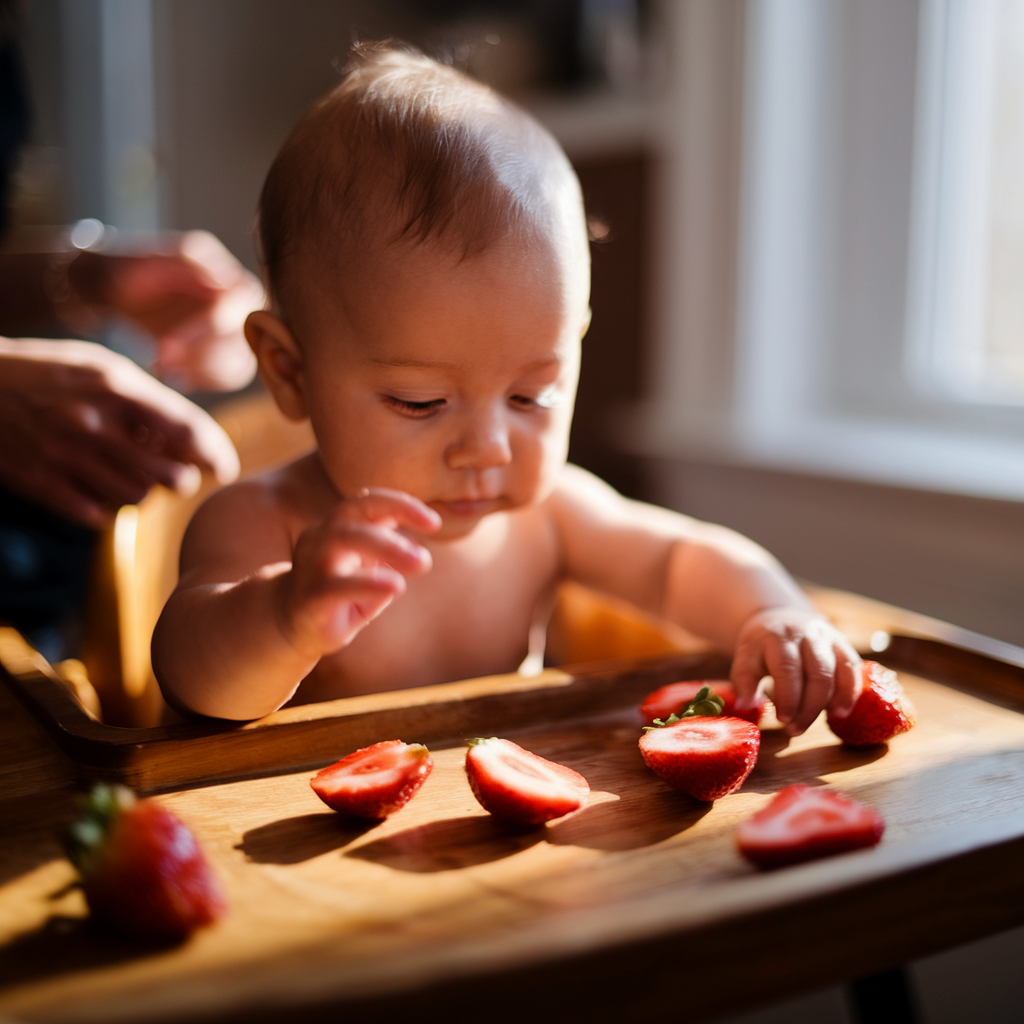
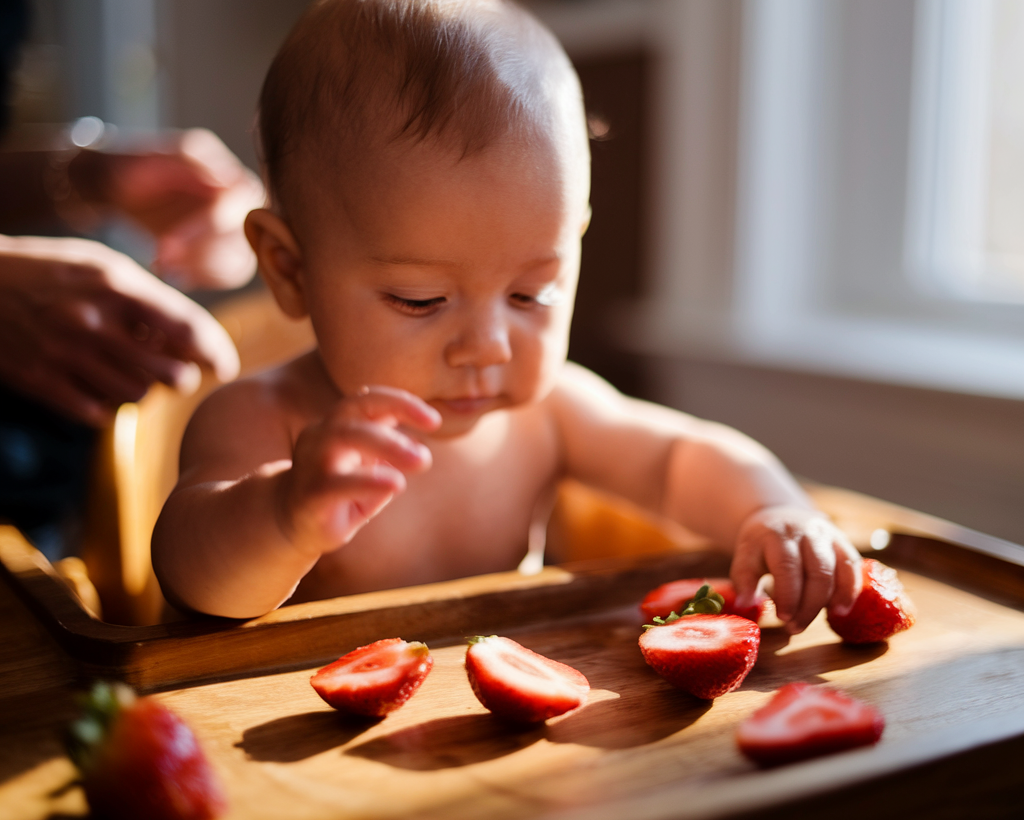
Quick answer: From 6 months — strawberries are safe and nutritious from the start of weaning. Cut into small pieces or mash for younger babies. Despite strawberries not being on the ‘top 9 allergen’ list, some babies do have strawberry reactions (typically a contact rash around the mouth from their acidity rather than a true allergy). Introduce as normal and observe.
Allergy risk
Safety guidance for strawberries baby age safe is based on the best available evidence, but evidence evolves. Current guidelines reflect consensus from major paediatric bodies (AAP, NHS, WHO). When in doubt about a specific situation, your doctor or pediatrician can provide advice tailored to your baby’s individual circumstances.
How to serve
Most effective management approaches for strawberries baby age safe are simple and can be done at home. The goal is usually to reduce discomfort, support the body’s natural processes, and know when professional help is needed. Simple measures consistently outperform elaborate ones in most paediatric situations.
Signs of reaction
Recognising the signs of strawberries baby age safe early allows earlier intervention. Trust your instincts — parents who interact with their baby daily are often the first to notice something has changed. A symptom you’re uncertain about is always worth a phone call to your pediatrician or pediatrician rather than waiting.
Strawberry nutrition and why it works as a first food
Strawberries offer a useful nutritional profile for early weaning: high vitamin C content (58mg per 100g — more than orange juice), which specifically enhances non-haem iron absorption from concurrent foods. This matters because iron is the nutrient most likely to be insufficient at 6 months — pairing iron-rich foods (meat, fortified cereals, lentils) with vitamin C-rich foods at the same meal meaningfully improves iron absorption. Strawberries also provide folate, potassium, and manganese in modest amounts. Their soft texture at ripe stage makes them suitable as finger food without cooking from approximately 7–8 months. The red colouring (anthocyanins) passes through the digestive system and may produce pink-tinged stools — normal and harmless, often alarming to parents seeing it for the first time.
Frequently Asked Questions
My baby has discharge from their ear — what should I do?
Yellow, green, or bloody discharge from the ear is not normal ear wax and warrants a same-day doctor assessment. It can indicate a middle ear infection with a perforated eardrum, or an outer ear infection (otitis externa). Don’t attempt to clean inside the ear canal — see your doctor promptly.
My baby keeps pulling at one ear — is that teething or an ear infection?
Ear-pulling alone, without fever or unusual crying, is usually exploratory — babies discover their ears around 3–4 months and pull them the same way they explore all body parts. Ear-pulling combined with fever above 100.4°F (38°C), unusual crying especially when lying down, feeding difficulty, or disrupted sleep is more likely to indicate an ear infection and warrants a doctor assessment.
Can I use olive oil drops for ear wax in a baby?
Olive oil ear drops (available from pharmacies) can soften ear wax in older children and adults. For babies under 6 months, discuss with your doctor or pediatrician before using any ear drops. Never use drops if there is any chance the eardrum is perforated (history of ear infections, discharge, previous perforation). For most healthy babies, the ear is self-cleaning and drops are not needed.
Related Reading
- Baby-led weaning vs purees: which approach is right for your family
- When should I introduce a bottle to a breastfed baby?
Disclosure: This post contains affiliate links. We may earn a small commission at no extra cost to you. We only recommend products we genuinely use and trust.
Found this helpful? Sign up to the LylyMama newsletter — evidence-based, honest answers to the questions every new parent actually has, straight to your inbox.