Baby-led weaning (BLW) and traditional purée feeding are both valid, evidence-supported approaches to introducing solid foods. The ‘which is better’ debate generates more heat than light. Here’s what the research actually shows and a framework for choosing what works for your family.
What Baby-Led Weaning Is
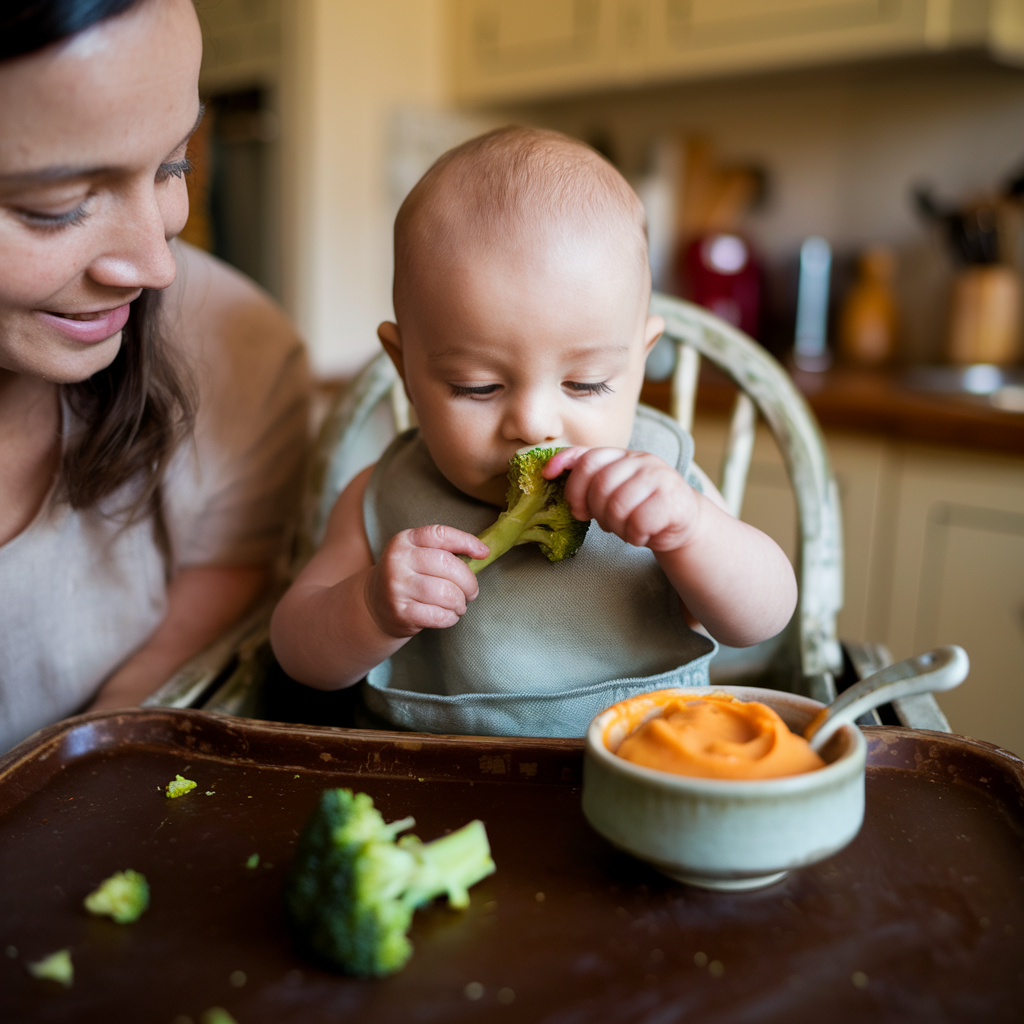
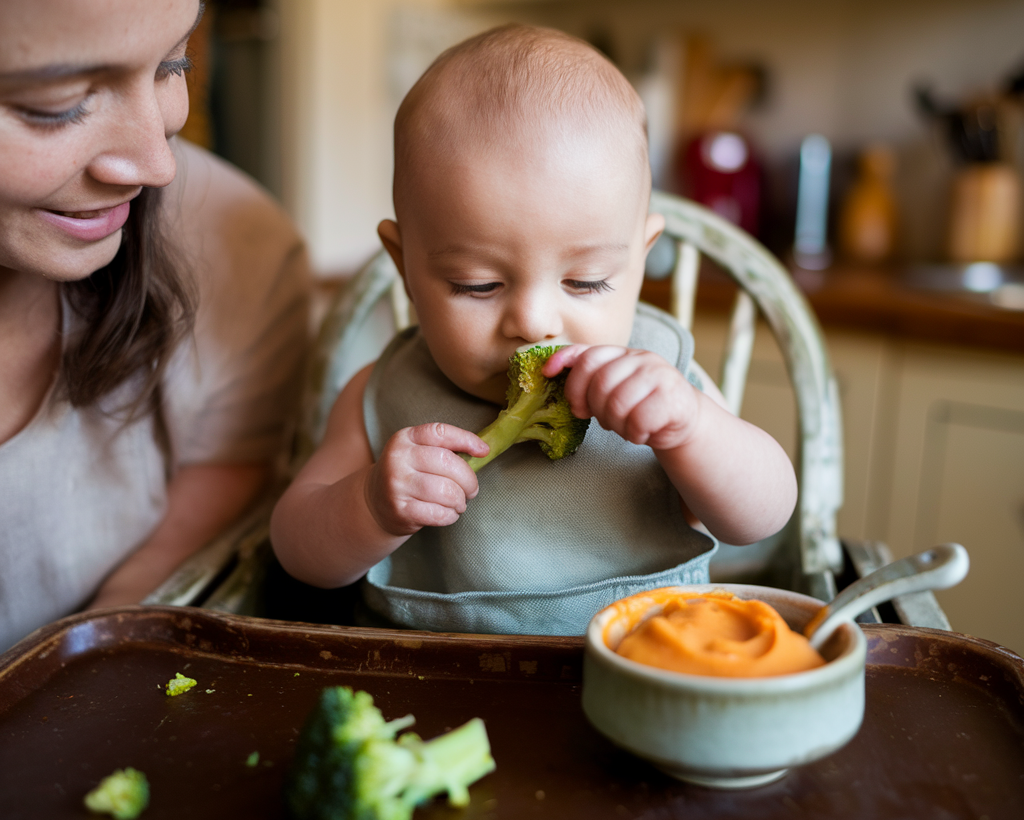
BLW means offering soft, appropriately sized finger foods from the start of weaning, allowing babies to self-feed from day one rather than progressing through purées first. Proponents argue it promotes self-regulation of intake, develops fine motor skills, supports family mealtimes, and may reduce fussy eating. The approach was popularised by Gill Rapley and Tracey Murkett’s 2008 book ‘Baby-Led Weaning.’
What Purée Feeding Is
Traditional weaning starts with smooth purées (Stage 1) and progressively introduces lumpier textures (Stage 2) and soft finger foods (Stage 3) over several months. It gives more precise control over intake and texture progression, may be easier for parents to manage portion sizes, and is better researched historically.
What the Research Shows
The evidence comparing BLW and purée feeding is growing but not yet definitive. Key findings: Iron: Early studies suggested BLW babies had lower iron intake (because iron-rich purées were displaced by finger foods low in iron). More recent research with guidance on iron-rich finger foods has largely addressed this concern. Obesity: BLW shows small signals toward reduced overweight rates in some studies — possibly from better self-regulation of intake. Fussy eating: Some evidence BLW reduces fussy eating by exposing babies to varied family foods earlier — not conclusively proven. Choking: Multiple studies have found no increased choking risk in BLW when foods are appropriately prepared.
Arguments for BLW
- Encourages self-regulation of intake (baby decides how much, not caregiver)
- Promotes family meal participation from the start
- Develops fine motor skills through handling varied food textures
- Less separate food preparation — baby eats adapted family food
- May support long-term healthy eating patterns
Arguments for Traditional Purées
- More control over iron intake — critical at 6 months
- Easier to ensure adequate nutritional intake in early weeks
- Better suited to babies with developmental delays affecting hand control
- Caregiver has clearer view of what and how much baby ate
- More research base and longer clinical history
The Combination Approach
Most families naturally end up using both — offering purées alongside finger foods, or starting with some purées and introducing finger foods progressively. This is sometimes called ‘modified BLW’ or simply common sense. It captures the benefits of both: good iron intake through iron-rich purées, fine motor development through finger foods, and family mealtime participation. Current guidance from UNICEF and most paediatric dietitians supports whichever approach is appropriate for the individual family.
Frequently Asked Questions
Is BLW safe? I’m terrified of choking.
BLW is safe when foods are prepared appropriately (soft enough to squash between thumb and forefinger, cut to appropriate sizes). The key distinction is gagging (normal, protective, baby manages the food) versus choking (silent, requires intervention). A paediatric first aid course, which teaches the distinction and the correct response, is strongly recommended for any parent starting solids. Multiple studies confirm no increased choking risk in properly done BLW.
My baby doesn’t seem interested in self-feeding — should I do purées?
Yes — readiness and interest vary. Some babies are enthusiastic self-feeders from 6 months; others benefit from purée spoon-feeding initially. Follow your baby’s developmental readiness and interest rather than ideological commitment to one approach.
Disclosure: This post contains affiliate links. We may earn a small commission at no extra cost to you. We only recommend products we genuinely use.
Related Reading
- 6 month old baby: starting solids – a complete first-foods guide
- First baby purees: 15 easy recipes for 6 month olds
Found this helpful? Sign up to the LylyMama newsletter for more recipes, weaning guides, and honest parenting content every week.