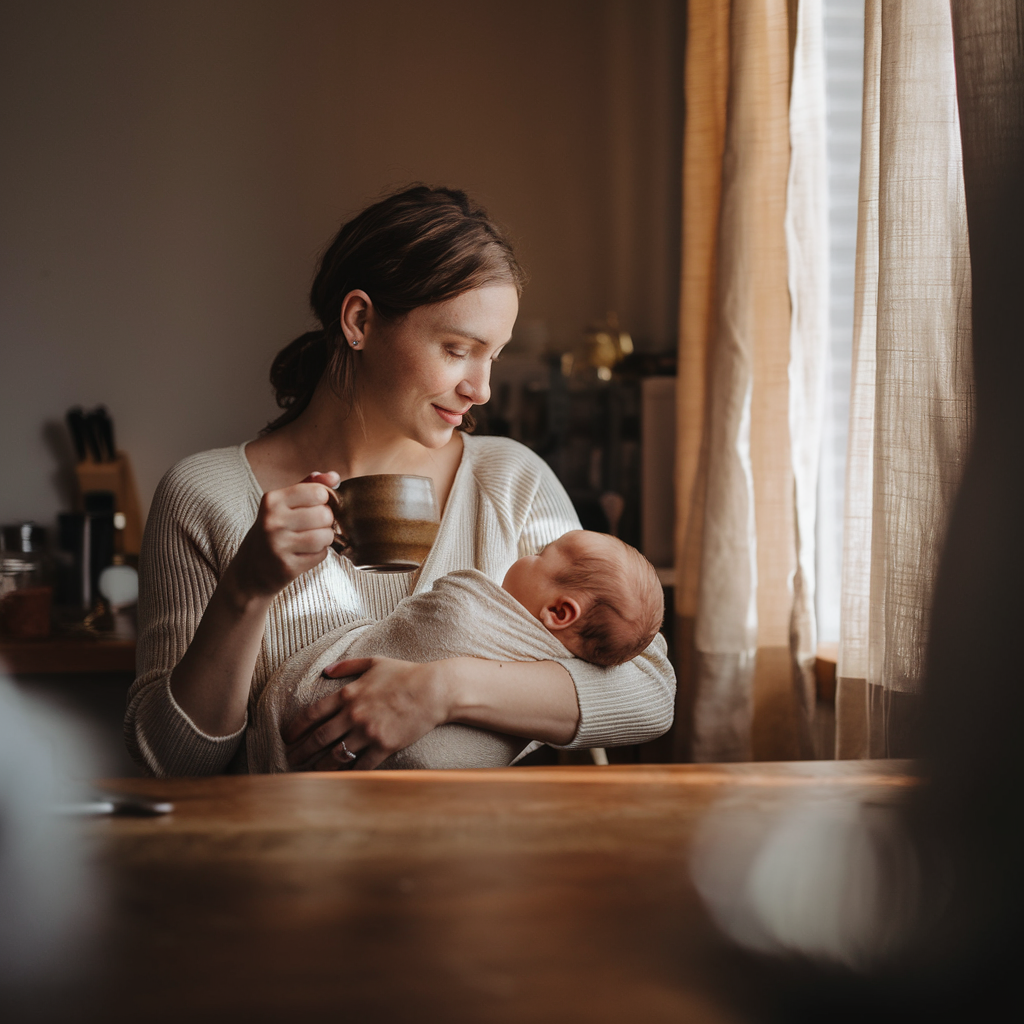
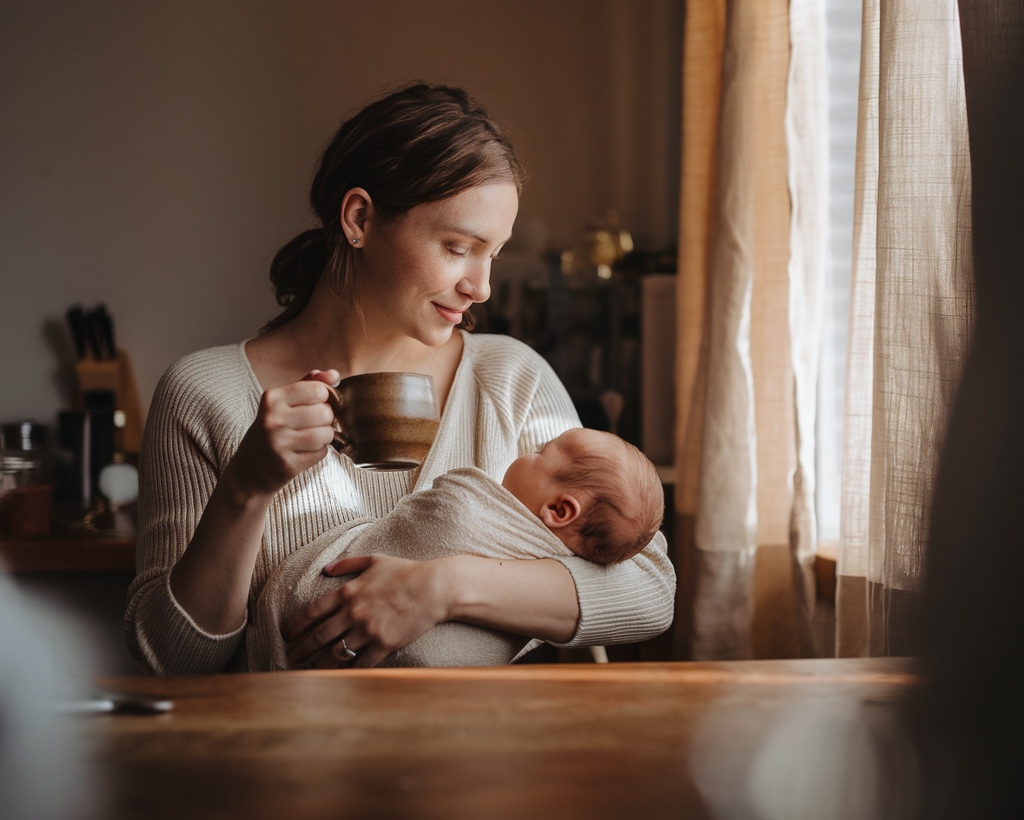
Quick answer: Yes — up to 200mg of caffeine per day (roughly one 12oz cup of filter coffee) is considered safe while breastfeeding by the WHO, NHS, and AAP.
How much caffeine actually passes into breast milk?
About 1% of the caffeine you drink ends up in your breast milk — so if you have a 200mg coffee, your milk will contain approximately 2mg. That sounds reassuring, but there’s a catch: newborns and young babies metabolise caffeine very slowly. A newborn’s caffeine half-life is 80–100 hours — meaning it takes more than 3 days to clear half the caffeine from a single cup. By 6 months, this improves dramatically (half-life drops to around 3 hours, similar to adults). This is why some parents notice that caffeine affects a newborn’s sleep or irritability but not a 7-month-old’s.
What counts toward your 200mg daily limit?
Caffeine is in more things than most people realise. Filter coffee: 80–150mg per 12oz cup. Espresso: 63mg per shot (so a double espresso latte is around 126mg). Instant coffee: 65mg per cup. Tea (brewed): 40–70mg per cup. Green tea: 25–45mg. Matcha: 70mg per teaspoon of powder. Cola: 34mg per 12oz. Dark chocolate: 20–30mg per ounce. Energy drinks: 80–160mg+ per can — best avoided entirely. If you’re a two-coffee person and also drink tea, check your running total.
Timing feeds to minimise baby’s exposure
Caffeine peaks in your blood and breast milk approximately 1–2 hours after consumption. If your baby is particularly sensitive to caffeine, having your coffee immediately after a feed gives the longest window before the next feed. By the time you feed again (2–3 hours later for most babies), caffeine levels in your milk will have dropped from their peak. This matters more for newborns than for babies over 6 months, whose caffeine clearance is close to adult speed.
Signs your baby may be sensitive to caffeine
Not all babies react to maternal caffeine — most don’t at typical intake levels. Signs that caffeine may be affecting your baby: unusual fussiness or irritability 1–3 hours after you drink coffee; difficulty settling for sleep or shorter sleep cycles; jitteriness or trembling (with very high maternal intake). If you notice these patterns, try cutting caffeine for 5–7 days (long enough for your newborn to clear existing stores) and see if there’s improvement.
Frequently Asked Questions
Can I drink coffee while pregnant?
The same 200mg limit applies during pregnancy. Caffeine crosses the placenta and foetal caffeine metabolism is even slower than a newborn’s. Most major health bodies advise staying under 200mg during pregnancy — though some prefer to cut it entirely in the first trimester given the association between high caffeine intake and miscarriage risk.
Does decaf coffee contain any caffeine?
Yes — decaffeinated coffee still contains small amounts of caffeine (2–15mg per cup depending on the brand and method). If you’re very sensitive or want to cut entirely, check that your decaf is Swiss Water Process decaffeinated, which removes more caffeine than solvent-based methods.
Is coffee making my breastfed baby gassy?
Probably not. Gas and digestive discomfort in breastfed babies is usually related to gut immaturity, not maternal caffeine. Caffeine can affect the nervous system but isn’t a primary cause of gassiness. If you’ve noticed a pattern between your coffee intake and your baby’s gas, it’s worth trialling a caffeine-free week to see — but don’t assume the connection without testing it.
Related Reading
- Breastfeeding diet: what to eat, what to limit, what to avoid
- Can I drink alcohol while breastfeeding?
Disclosure: This post contains affiliate links. We may earn a small commission at no extra cost to you. We only recommend products we genuinely use and trust.
Found this helpful? Sign up to the LylyMama newsletter — evidence-based, honest answers to the questions every new parent actually has, straight to your inbox.