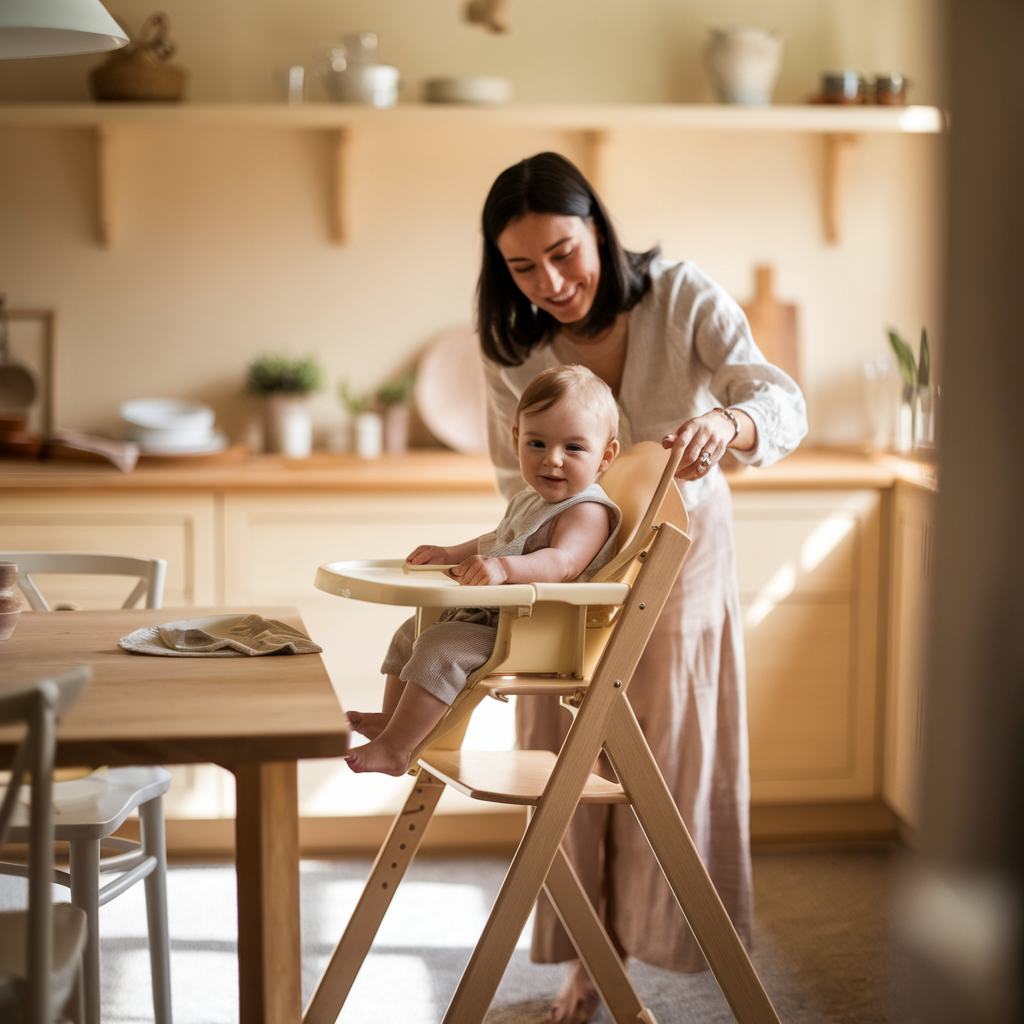
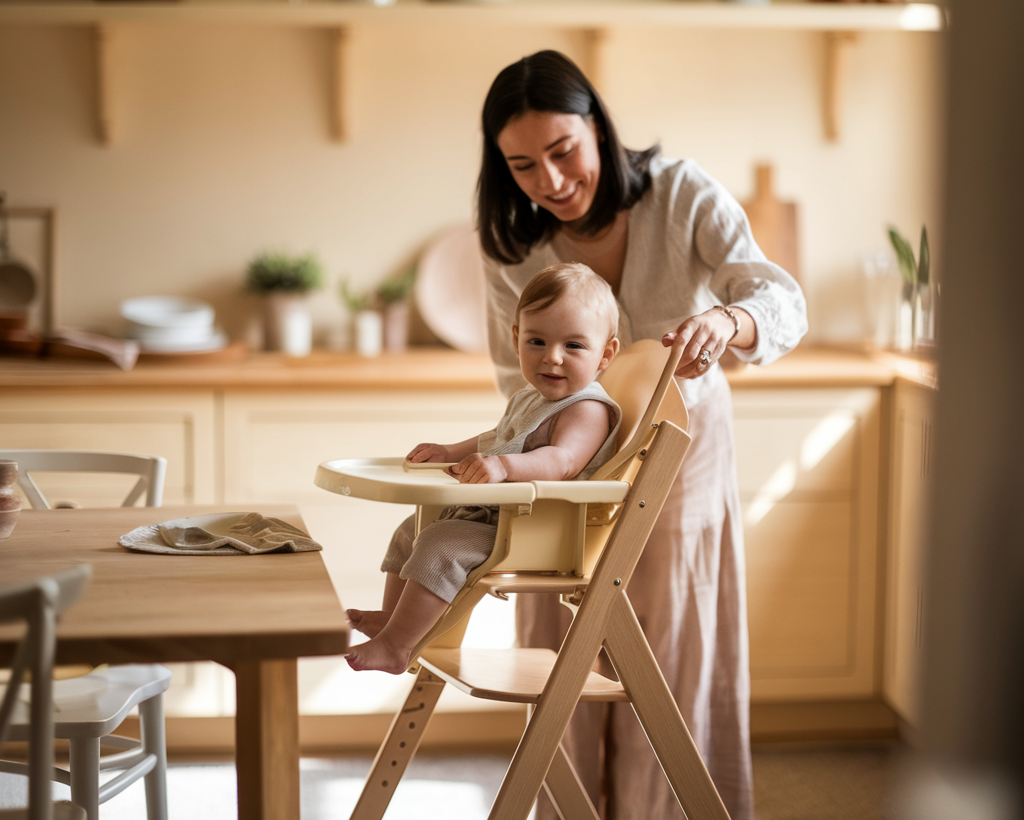
A high chair is used multiple times every day from 6 months until approximately 3 years — nearly 2,000 meals. Ease of cleaning is the most underrated factor in every high chair review.
What makes a high chair actually usable
Harness — 5-point harness required, quick to fasten one-handed. Footrest — adjustable footrest affects posture and comfort; many cheap chairs omit this. Tray removal — does it come off one-handed? Can it go in the dishwasher? Wipeable surfaces are superior to padded seats for daily cleaning.
Budget: IKEA Antilop — ~£25
At £25 the most widely used high chair in the world, earned: fully wipeable, dishwasher-safe tray, extremely light (2.5kg), stable, easy to assemble. No footrest (a genuine limitation for posture) and no recline. The harness is simple 5-point. Many families use an Antilop as their second chair for grandparents or travelling.
Pros: £25, fully washable, dishwasher tray, lightweight, simple, excellent safety record
Cons: No footrest, no recline, no adjustability
Best for: Budget-conscious families, second chairs for grandparents, anyone who prioritises easy cleaning
Mid-range: Joie Mimzy Snacker — ~£80
Addresses the Antilop’s main limitations: adjustable footrest, seat height adjustment, tray that clicks off one-handed and goes in the dishwasher. The harness is easy to operate. At £80 it represents the ideal balance of function and price for most families.
Pros: Adjustable footrest, height adjustment, easy tray removal, dishwasher tray, good harness
Cons: Less compact than Antilop, standard aesthetics
Best for: Families wanting practical adjustability at a mid-range price — our recommended pick for most
Premium: Stokke Tripp Trapp — ~£270
An adjustable wooden chair that adapts from baby (with separate baby set, ~£65 extra) through adult. The ergonomic seating is genuinely excellent — both footrest and seat depth adjust to maintain ideal hip and knee angles. Converts from high chair to child chair to adult chair. Expensive to buy correctly; potentially very good value over 15+ years.
Pros: Adjustable for life stages, excellent ergonomics, Scandinavian design, converts to adult chair
Cons: Baby set sold separately, total cost £330+, wooden surface harder to wipe than plastic
Best for: Families investing in furniture quality or wanting one chair that grows with the child
How to choose for your home
Test the harness buckle with your non-dominant hand — this is the hand you’ll be using while the other holds the baby. The tray should release one-handed with your elbow if necessary. Look for fully wipe-clean surfaces throughout, not just the seat pad — food gets into every crevice of a high chair seat and a surface that can’t be wiped clean will need replacing within months. If considering the Tripp Trapp: budget for the Baby Set (£65) and harness (£30) — these are non-optional for babies under 3 and sold separately.
Frequently Asked Questions
At what age can babies start using a high chair?
When they can sit with minimal support and hold their head steady — typically around 6 months, coinciding with solid food introduction.
Should I buy a booster seat instead?
Booster seats attaching to adult dining chairs work well from ~6 months and are more portable. Standalone high chairs offer more stability and easier harness management.
How do I clean a high chair harness?
After every meal: wipe the straps and buckle with a damp cloth. Weekly: remove straps if possible and hand wash in warm soapy water, or machine wash at 30°C in a mesh bag. The buckle mechanism: food accumulates inside and prevents correct clicking over time. Soak in warm water and agitate monthly. A buckle that doesn’t click decisively needs replacing — never use a high chair with a compromised harness.
Related Reading
- 6 month old baby: starting solids – a complete first-foods guide
- Baby-led weaning recipes: 20 finger foods for 6-9 months
Disclosure: This post contains affiliate links. If you buy through our links we may earn a small commission at no extra cost to you. We research products independently and are never paid to recommend specific items.
Found this helpful? Sign up to the LylyMama newsletter for honest, researched guides on everything you need in pregnancy and early parenthood.
The Antilop is the most widely used high chair in the world for a reason. Its 2.5kg weight makes it genuinely portable between rooms and to visits. The completely smooth plastic surfaces have no crevices for food to accumulate — a wipe is a wipe. The tray pops off completely for dishwasher cleaning. The limitation — no footrest — is real for babies who dangle their legs during long meals but is unlikely to cause harm in a normal mealtime.
The Mimzy’s one-hand tray release is the feature that matters most in real use — the other hand will always be holding the baby. Five height positions mean it works at every standard dining table height. Adjustable footrest directly addresses the Antilop’s main limitation at an accessible additional cost. Fully wipe-clean throughout.
The Tripp Trapp attaches to the dining table without a tray — this means the baby eats at the family table at face height from the start, which supports mealtime participation and reduces the sense of separation. Both seat and footrest adjust on a track to any position, producing optimal knee and hip angle at every developmental stage. The wood is furniture quality, not toy quality — it will still look good in a decade.