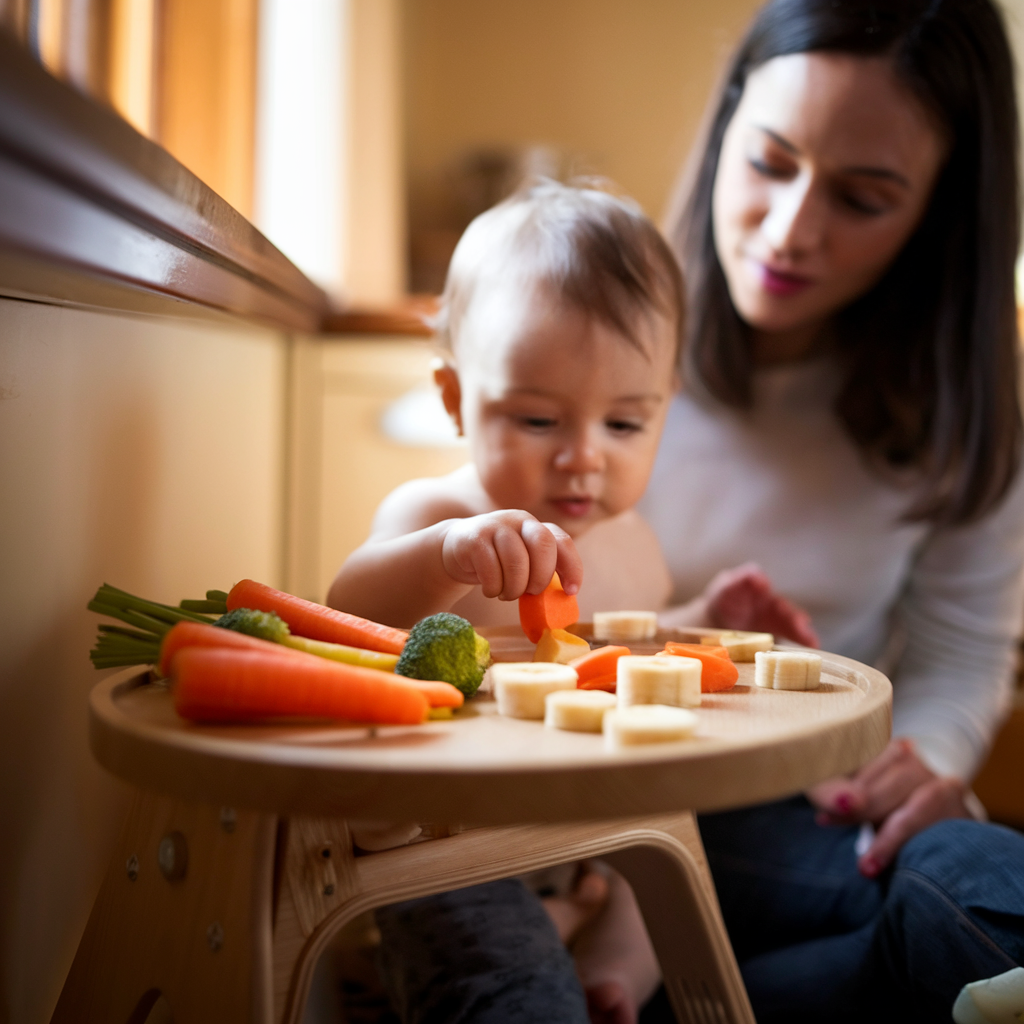
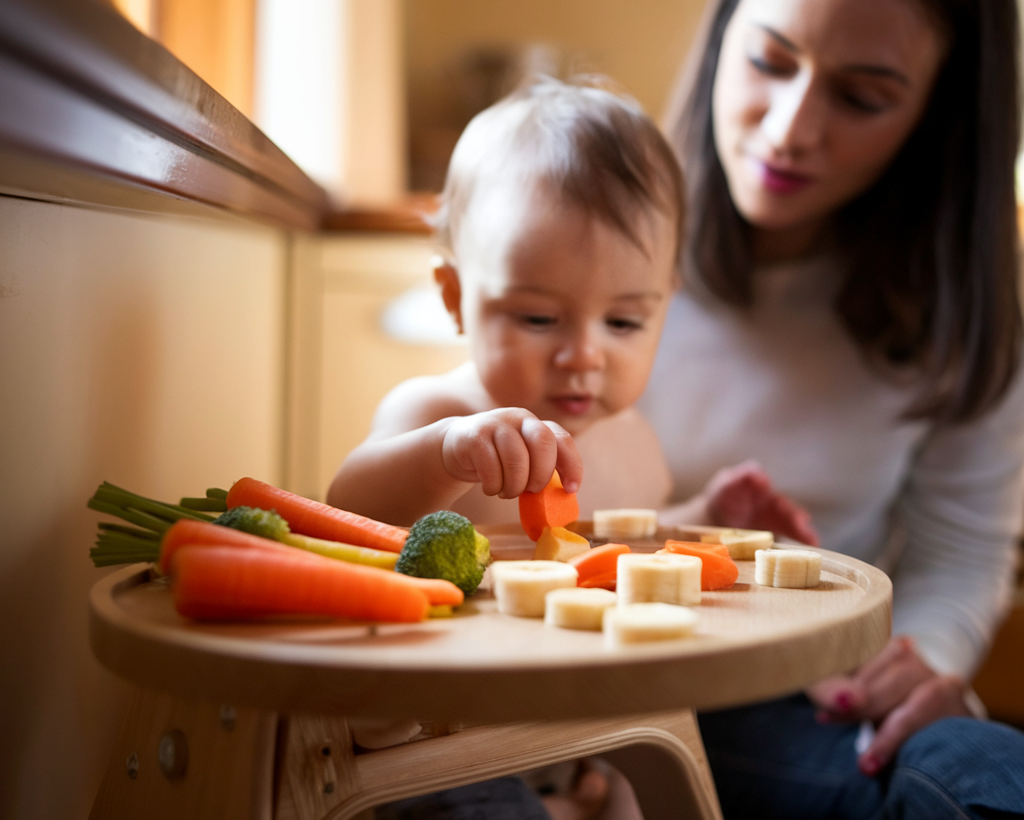
Baby-led weaning (BLW) skips the purée stage and offers soft finger foods from the start of weaning. These 20 recipes are designed for babies 6–9 months — soft enough to be safe, nutritious, and genuinely palatable for the whole family.
BLW Safety Basics
Before offering any finger food: baby must be sitting upright unsupported (never feeding in a reclined position), food must be soft enough to squash between your thumb and forefinger, pieces should be the size of an adult finger (for 6–7 months) — big enough to hold, not small enough to be a choking hazard. Always supervise, never leave alone, and distinguish gagging (noisy, baby working the food forward — normal) from choking (silent, baby cannot cough — act immediately).
Vegetable Finger Foods
1. Roasted Sweet Potato Wedges
Cut sweet potato into finger-sized wedges, coat lightly in olive oil, roast at 200°C for 25 minutes until soft through. Soft, sweet, and easy to grip.
2. Steamed Broccoli Florets
Steam whole florets for 7–8 minutes until very soft (baby should be able to squash easily). The stalk is a natural handle. One of the best BLW starter foods.
3. Courgette (Zucchini) Batons
Cut courgette into batons, steam or roast until soft. Mild flavour, excellent texture for new eaters.
4. Roasted Carrot Sticks
Slice carrots lengthwise, roast with olive oil at 200°C for 25–30 minutes until very soft. They must be soft all the way through — raw or undercooked carrot is a choking risk.
Protein-Rich Finger Foods
5. Soft-Boiled Egg Wedges
Boil eggs for 9 minutes, cool, peel, and quarter lengthways. Rich in protein, choline, and iron. Introducing egg early may reduce the risk of egg allergy.
6. Chicken Strips
Poach chicken breast until cooked through, cool, and tear into strips. Soft and easy to gum. Excellent iron and protein source.
7. Salmon Flakes
Bake or steam a salmon fillet, cool, and flake. Remove all bones carefully. Rich in DHA omega-3 essential for brain development.
8. Lentil Patties
Cook red lentils, mash, mix with grated courgette and an egg. Form into small patties and bake at 180°C for 20 minutes. Excellent plant-based iron source.
Grain-Based Finger Foods
9. French Toast Fingers
Dip wholemeal bread slices in egg and milk, cook in butter until golden. Cut into fingers. Protein, iron, and energy in a form babies love.
10. Oat Pancakes
Blend ½ cup oats, 1 egg, and ½ mashed banana. Cook small pancakes in butter. Soft, nutritious, great texture for new eaters.
11. Avocado Toast Soldiers
Mash avocado on wholemeal toast, cut into fingers. The toast provides grip while the avocado adds healthy fats.
12. Rice Cakes with Hummus
Plain unsalted rice cakes spread with full-fat hummus. Easy to hold, nutritious, good introduction to legume protein.
Fruit Finger Foods
13. Soft Pear Slices
Ripe pear sliced into fingers — no cooking needed if very ripe. Pear is gentle on digestion and mild in flavour.
14. Mango Spears
Cut mango flesh into spears. Ripe mango is perfectly soft and sweet — often babies’ favourite early fruit.
15. Banana Halves (Unpeeled)
Leave the bottom quarter of peel on a half banana — it acts as a grip wrapper. Soft, sweet, and easy to eat independently.
Combination Finger Foods
16. Mini Frittata Muffins
Whisk 4 eggs with grated courgette, red pepper, and cheese. Pour into a greased mini muffin tin. Bake at 180°C for 15 minutes. Batch cook and freeze.
17. Cheese and Vegetable Balls
Mix cream cheese, grated carrot, and finely chopped spinach. Roll into balls. No cooking required.
18. Sweet Potato and Lentil Fritters
Mix mashed sweet potato, cooked lentils, and an egg. Fry in olive oil for 3 minutes each side.
19. Cucumber Batons
Peel cucumber, cut into batons. The cool, crunchy exterior and soft centre provides sensory contrast. Introduce from 7–8 months when baby has a stronger gag reflex.
20. Soft Tofu Cubes
Silken or soft tofu cut into cubes. Excellent plant protein and calcium source. Mild flavour accepts seasonings well — a tiny squeeze of lemon or a pinch of mild herbs from 7 months.
Frequently Asked Questions
Is gagging dangerous in BLW?
Gagging is not choking. A baby who is gagging is actively managing food that has moved too far back — it’s a normal, protective reflex that is more active in young babies precisely because they’re learning. Gagging is typically noisy (the baby can breathe). Choking is silent — the airway is obstructed. Learn to distinguish them, take a paediatric first aid course, and don’t avoid BLW because of gagging.
What foods should I avoid under 12 months?
Salt (no added salt in cooking for babies), sugar, honey (botulism risk until 12 months), whole nuts (choking risk), whole grapes and cherry tomatoes (must be halved or quartered), hard raw vegetables (carrots, celery — must be softened), and unpasteurised dairy products.
Do I need special equipment for BLW?
A good highchair with a footrest (feet-supported posture is safer for eating), a suction bowl or plate, a splash mat under the chair, and patience. No special equipment required.
Disclosure: This post contains affiliate links. We may earn a small commission at no extra cost to you. We only recommend products we genuinely use.
Related Reading
- 1 month old baby: milestones, sleep & feeding guide
- Gagging vs choking in babies: how to tell the difference
Found this helpful? Sign up to the LylyMama newsletter for more recipes, weaning guides, and honest parenting content every week.