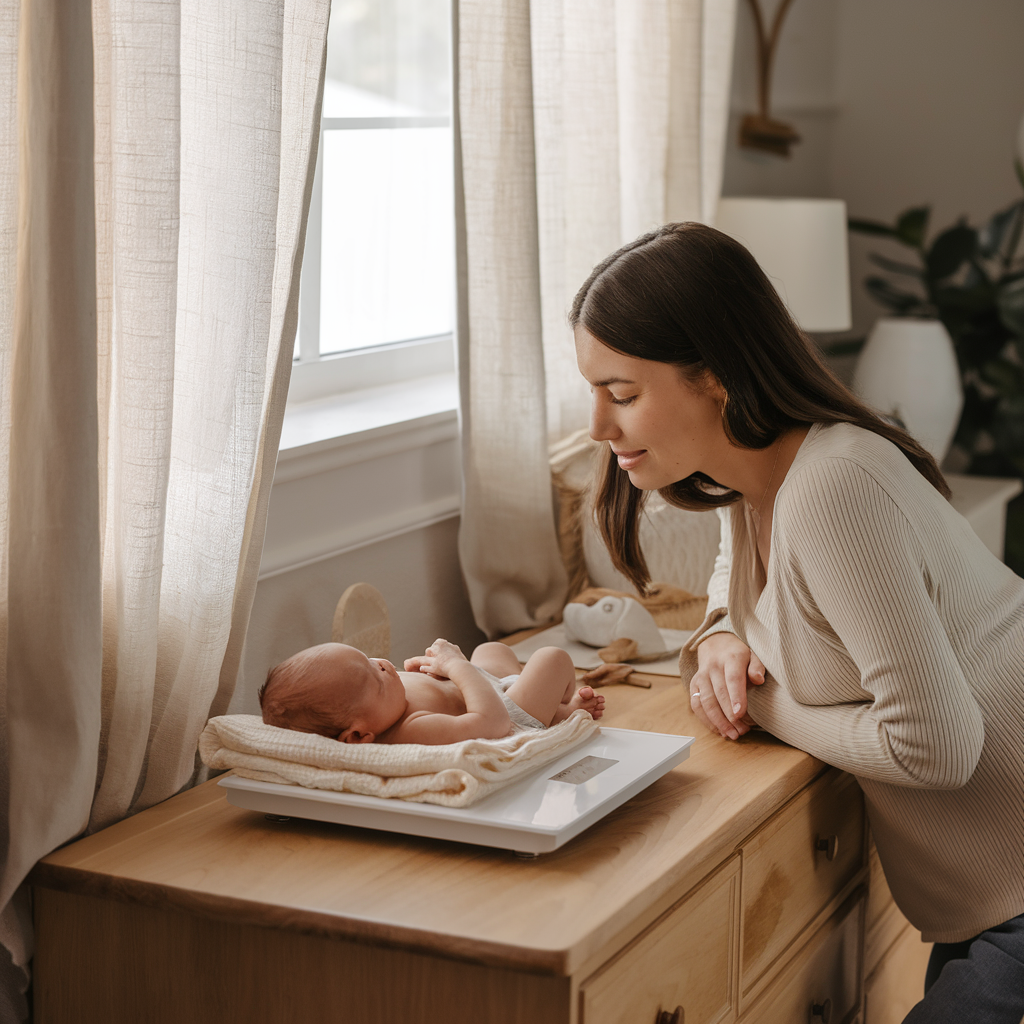
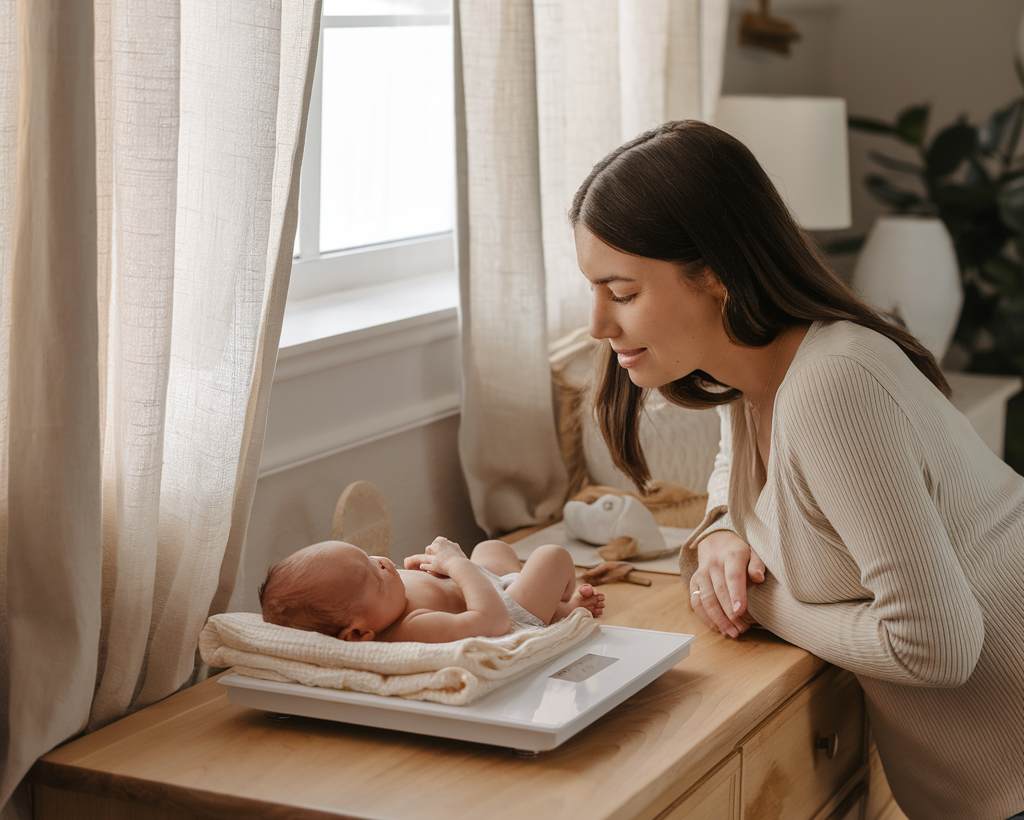
Baby scales at home are a niche but genuinely useful purchase for parents with specific concerns about feeding or growth — particularly in the early weeks of breastfeeding, or for premature babies where weight gain monitoring is clinically important.
When home baby scales are worth it
Accuracy — medical-grade scales are accurate to 1–5g; kitchen scales are not appropriate for baby weighing. Tare function — essential for weighing through nappies or clothing. Weight capacity — should accommodate at least 20kg. Display — large and clear for sleep-deprived parents.
Rent / borrow first: NCT and Midwife-Grade Scale Rental — ~£20–30/month rental
Before purchasing: the NCT and many lactation consultants loan scales in the UK, and many hospitals provide scale access for monitoring at home. The rental option makes more financial sense for most families than purchasing — the weighing concern is usually most acute in the first 4–8 weeks. Rental covers this period without significant capital outlay.
Pros: Medical-grade accuracy, no storage required, cost-effective for short-term use
Cons: Requires coordination to collect and return, availability varies by area
Best for: Most families who need scales for a defined short period — rent first, buy only if the need is ongoing
Budget purchase: Baby & Child Scale by Nuvita — ~£40
Digital baby scale accurate to 10g with a tare function and curved weigh bed. 20kg maximum. Folds flat. For parents wanting a home scale primarily to reassure themselves rather than for clinical precision, this is a functional option. At 10g accuracy it’s not medical-grade but sufficient for monitoring week-on-week weight gain trends.
Pros: Affordable, tare function, folds flat, reasonable accuracy for trend monitoring
Cons: 10g accuracy isn’t medical grade, curved weigh bed can be uncomfortable for older babies
Best for: Parents wanting home monitoring for reassurance at an accessible price
Medical grade: Seca 354 Baby Scale — ~£200
A clinical-grade scale with the precision used in professional healthcare settings. 1g accuracy, 20kg maximum, easy-to-read display. For premature babies, babies with feeding difficulties, or lactation consultants who need test weighing (before and after feeds), this is the appropriate tool. Strong resale value when no longer needed.
Pros: Medical-grade accuracy (1g), clinical-grade accuracy suitable for professional use, excellent for test weighing, strong resale value
Cons: £200 significant for home use
Best for: Premature babies, diagnosed feeding difficulties, or parents who will use scales long-term and need medical accuracy
How to weigh accurately — and how often
The right weighing frequency at home: once per week maximum. Daily weighing produces normal hydration-related fluctuation (100–200g) that looks alarming but is meaningless week-to-week. If weighing concern is about breastfeeding adequacy: a lactation consultant’s assessment of feeding technique and observed feed efficiency is more informative than weight data alone. If your baby is being monitored by a health visitor for growth concerns, use the clinic scales — home scales of any quality aren’t used for clinical decision-making.
Frequently Asked Questions
How often should I weigh my baby at home?
Once or twice a week if using for reassurance — not daily. Daily weighing shows normal fluctuations that are alarming without being meaningful.
Can I use kitchen scales to weigh my baby?
No — not accurate enough and not designed for the moving weight of a baby.
What weight gain is normal for a newborn?
Newborns lose 5–10% of birth weight in the first 3–5 days as excess fluid is lost — this is normal and expected. Birth weight should be regained by 10–14 days. After that: approximately 150–200g per week in the first 3 months; 100–150g per week from 3–6 months; 70–90g per week from 6–12 months. These are averages — consistent upward trend on the growth chart matters more than hitting a specific weekly number. Individual variation is wide.
Related Reading
- Newborn weight loss and gain: what’s normal in the first 2 weeks
- Baby growth tracker: weight and height percentile calculator
Disclosure: This post contains affiliate links. If you buy through our links we may earn a small commission at no extra cost to you. We research products independently and are never paid to recommend specific items.
Found this helpful? Sign up to the LylyMama newsletter for honest, researched guides on everything you need in pregnancy and early parenthood.
Scale rental through the NCT or a lactation consultant makes sense for the period of most acute weighing need — typically the first 4–8 weeks. A rental scales is medical-grade (1–2g accuracy) compared to consumer models (10g+ accuracy), which matters for test weighing (before and after feeds) or monitoring premature babies. Return when the acute need has passed.
At 10g accuracy, consumer baby scales reliably detect week-to-week weight gain trends — a 150–200g weekly gain is well above the measurement error threshold. Suitable for ongoing monitoring after the acute newborn period. The hold function that locks the reading when the baby is moving is the most practically important feature at this price point.
The Seca 354 is the specific model used by professional and clinical settings — having the same instrument at home means results are directly comparable with clinic weights. At 1g accuracy it is appropriate for test weighing (before and after a breastfeed to measure transfer in ml) and for monitoring premature babies where precision matters.