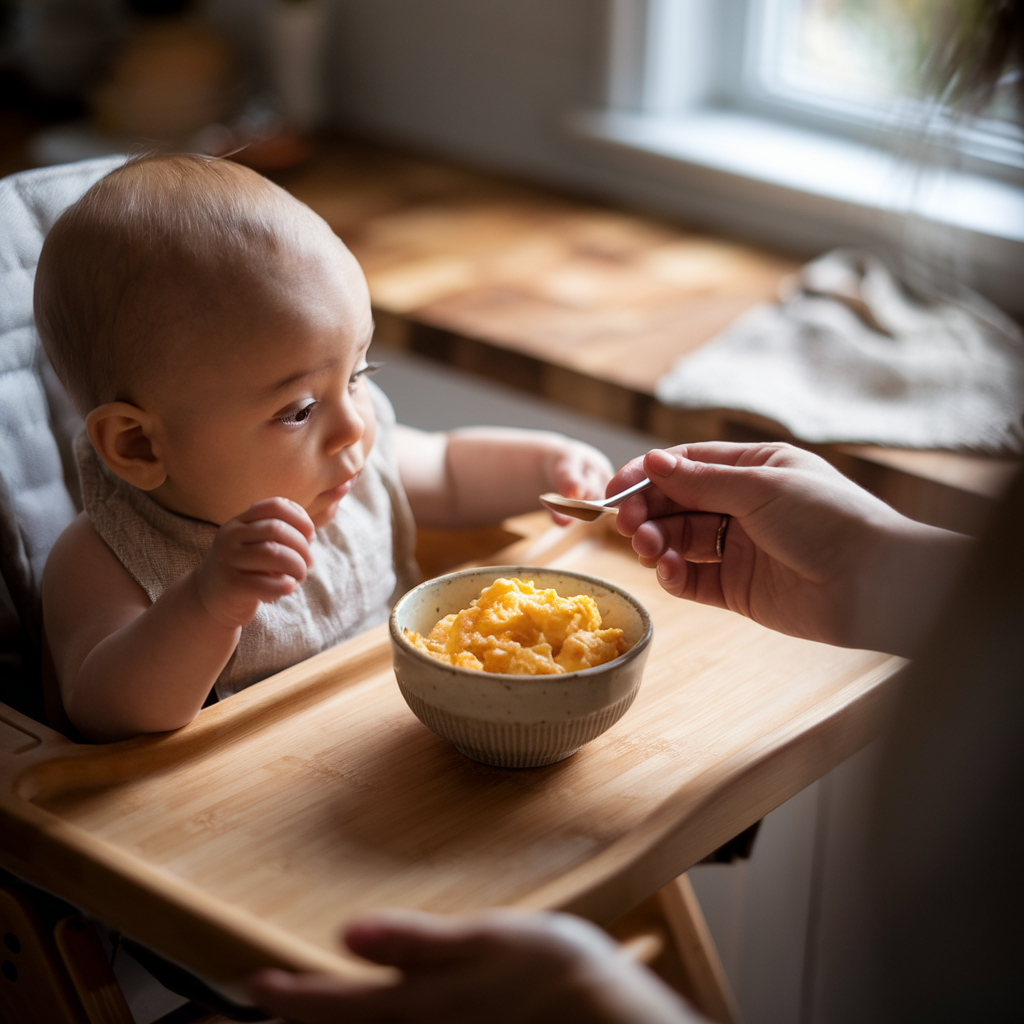
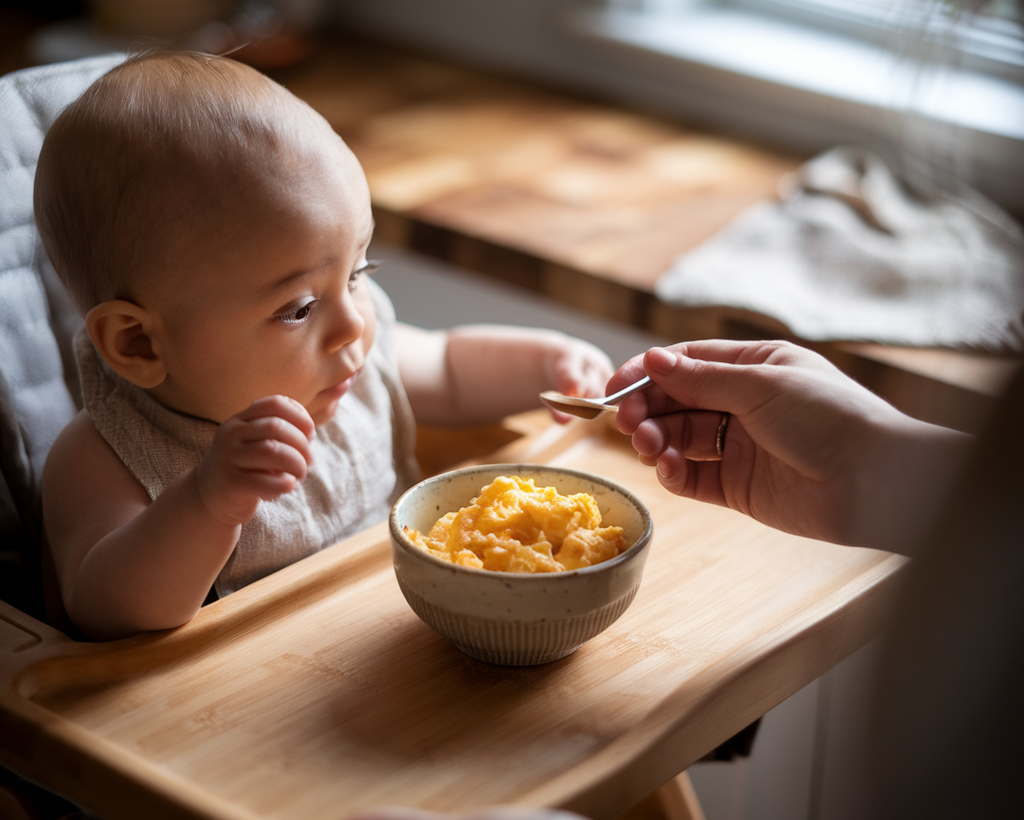
Quick answer: Yes — eggs are safe from 6 months and are actively encouraged as an early allergen introduction. Cook them fully initially (no runny yolks under 12 months), and introduce early to reduce allergy risk.
Egg allergy risk
Safety guidance for can babies eat eggs age is based on the best available evidence, but evidence evolves. Current guidelines reflect consensus from major paediatric bodies (AAP, NHS, WHO). When in doubt about a specific situation, your doctor or pediatrician can provide advice tailored to your baby’s individual circumstances.
How to introduce (soft scrambled)
Most effective management approaches for can babies eat eggs age are simple and can be done at home. The goal is usually to reduce discomfort, support the body’s natural processes, and know when professional help is needed. Simple measures consistently outperform elaborate ones in most paediatric situations.
Runny yolk safety
Safety guidance for can babies eat eggs age is based on the best available evidence, but evidence evolves. Current guidelines reflect consensus from major paediatric bodies (AAP, NHS, WHO). When in doubt about a specific situation, your doctor or pediatrician can provide advice tailored to your baby’s individual circumstances.
Eggs at different ages: texture progression
Egg preparation changes as the baby develops. At 6 months: fully cooked scrambled eggs (soft, no liquid remaining) or hard-boiled yolk mashed with breast milk or formula. The texture should be smooth and moist enough to move easily in the mouth. At 7–9 months: soft scrambled eggs, small pieces of hard-boiled egg, omelette strips as finger food. From 9–10 months, once the baby has been tolerating fully cooked eggs reliably: the current UK and NHS guidance permits soft-cooked (runny) eggs from hens vaccinated under the British Lion Code scheme — look for the Lion stamp on the box. From 12 months: eggs prepared in any way adults would eat them. The progression from fully cooked to soft-cooked should follow successful established tolerance; never introduce runny yolk as the first egg exposure.
Frequently Asked Questions
How do I introduce allergens safely?
Introduce allergens (peanut, egg, tree nuts, fish, shellfish, dairy, wheat, soy) one at a time with 2–3 days between each new allergen. Offer in the morning so you can observe for reactions during the day. Look for signs of IgE-mediated reaction within 2 hours: hives, facial swelling, vomiting, breathing changes. Once accepted, continue offering regularly (2–3 times per week) — early and sustained exposure reduces allergy risk.
My baby makes faces and seems to hate vegetables — should I stop?
Absolutely not — making faces is normal sensory processing, not a signal to stop. Studies show that repeated exposure (sometimes 10–20 times) before acceptance is normal infant food learning. The worst outcome is withdrawing a food after 2–3 rejections and never trying again. Continue offering varied vegetables, eat them yourself visibly, and offer without pressure. Most babies whose parents persist with vegetables develop genuine acceptance over weeks.
Can my baby share food from our plate?
Yes — this is exactly the family food approach that makes weaning sustainable. Adaptations needed: cook without salt (add to adult portions at the table); cut to appropriate size; ensure soft enough texture; avoid honey before 12 months; avoid whole nuts and round whole grapes. Everything else on your plate is almost certainly shareable.
Related Reading
- 6 month old baby: starting solids – a complete first-foods guide
- Baby-led weaning recipes: 20 finger foods for 6-9 months
Disclosure: This post contains affiliate links. We may earn a small commission at no extra cost to you. We only recommend products we genuinely use and trust.
Found this helpful? Sign up to the LylyMama newsletter — evidence-based, honest answers to the questions every new parent actually has, straight to your inbox.