
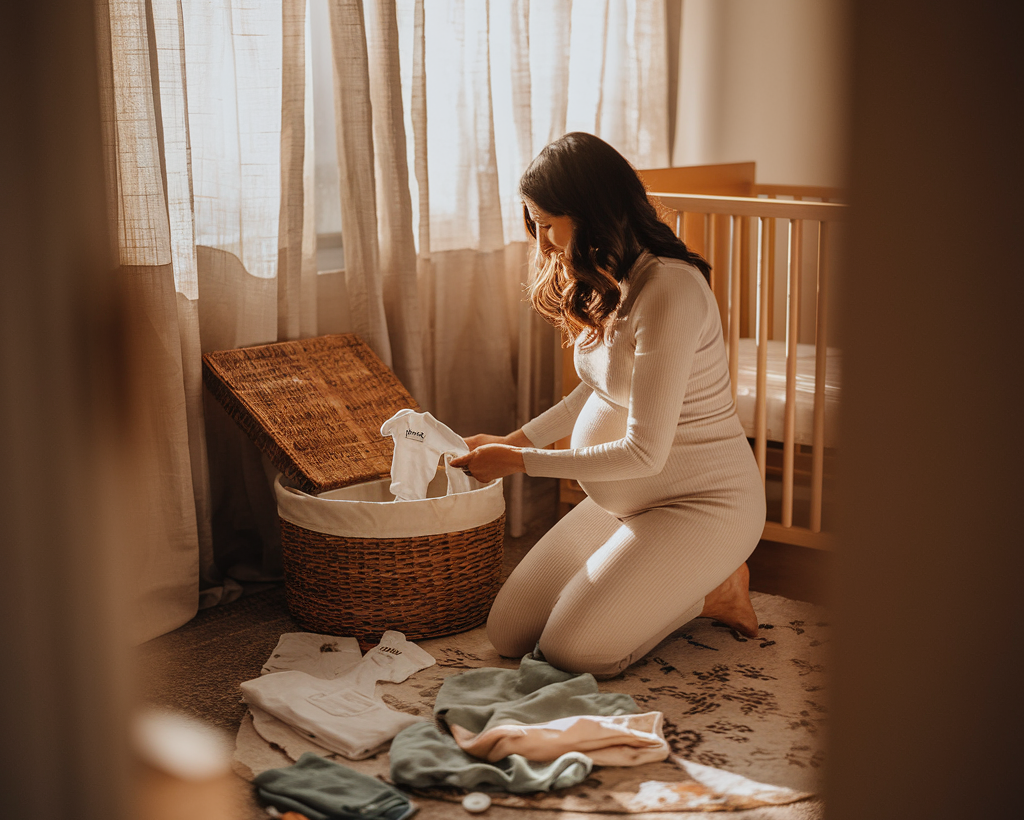
The second baby doesn’t need a second set of everything. The significant investment of a first baby’s kit covers most of what you need; the gaps are smaller than you think. This checklist helps you audit what you already have, what needs replacing or updating, and what’s genuinely new.
What You Almost Certainly Already Have (Check Condition)
- Cot / crib / Moses basket — check for any damage, loose parts, or recalls. Replace the mattress — second-hand mattresses increase SIDS risk and this applies even within the same family between siblings
- Changing mat — wipe down and check for tears or mould in the surface
- Baby monitor — test it; replace batteries
- Swing, bouncer, play mat — check safety recalls and general condition
- Bottles and steriliser — replace teats (they degrade); steriliser itself is reusable
- Breast pump — may need new valve membranes and tubing (parts specific to your model); the motor body is reusable
- Baby carrier / sling — inspect stitching and buckles
- Stroller / pram — check brakes, frame integrity, and harness; consider whether it works for two children (toddler board, double configuration)
- Car seat — this requires careful thought: if your first child’s car seat is still in the correct weight range, they may continue in it. You’ll need to think about whether a larger seat for the older child is due, and where the infant seat goes in the car
What Genuinely Needs Replacing
- Cot mattress — non-negotiable. Buy new.
- Bottle teats — replace. Teats have a recommended life of 3–6 months.
- Breast pump membranes / valves — wear items that affect suction and efficiency
- Sleeping bags — check for condition; holes or damaged zips mean replacement
- Car seat — if the newborn insert has been removed, a new infant insert may be needed; if the car seat is over 6 years old (check manufacture date), it should be replaced
- Nappies, wipes, nipple cream — these consumables don’t carry over
What’s New With a Second Baby
- Toddler preparation kit — books about being a big sibling (There’s a House Inside My Mummy; Za-Za’s Baby Brother); a small gift ‘from the baby’ for when your toddler first meets the newborn; a special activity reserved only for when the baby is feeding
- Double stroller or toddler board — if your gap is under 3 years, you will need this. A buggy board attaches to most existing strollers; a dedicated double buggy is an investment worth considering if the gap is close
- Baby carrier rated for newborn weight — carrying the baby while managing a toddler is essential. Your previous carrier may still be appropriate; check it fits a newborn safely
- Extra muslin cloths and baby vests — you’ll go through these faster with an older child generating chaos around you
- Meal delivery service or freezer meal plan — this matters significantly more with a toddler in the house than with your first baby
Logistics to Organise Before Birth
- Your toddler’s care during labour — who has them, contact details, backup, have they practised the handoff
- Childcare plan for the first 2–4 weeks — when your partner returns to work and you’re managing a newborn and a toddler alone
- Car seat installation in the new configuration — get it checked if you’re reorganising the car
- Health insurance and hospital details updated for the second baby
- Older child’s nursery or school notified of expected absence around due date
Frequently Asked Questions
How much should I budget for a second baby?
If your first baby’s kit is in good condition, the genuine out-of-pocket spend for a second baby is significantly less: new mattress (£50–150), new teats and any worn pump parts (£20–40), size-adjusted sleeping bags (£20–40), and consumables. The major new cost is transport — whether that’s a toddler board (£30–80) or a double stroller (£200–800+) depends on the age gap and your lifestyle. Most families spend £200–500 on genuinely necessary second-baby items.
Should I get new clothes for the second baby?
Only if the sizes or seasons don’t align. A June baby whose older sibling was also a June baby can likely use almost all the same clothes. A December baby after a June first baby will need winter clothing for stages covered by summer pieces the first time round. Sort by size and season rather than buying new by default.
Related Reading
- Second baby: preparing your firstborn for a new sibling
- Nursery essentials checklist: what you actually need vs nice-to-haves
Disclosure: This post contains affiliate links. We may earn a small commission at no extra cost to you. We only recommend products we genuinely trust.
Found this helpful? Save this page and share it with anyone who needs it. Sign up to the LylyMama newsletter for more honest, practical guides every week.