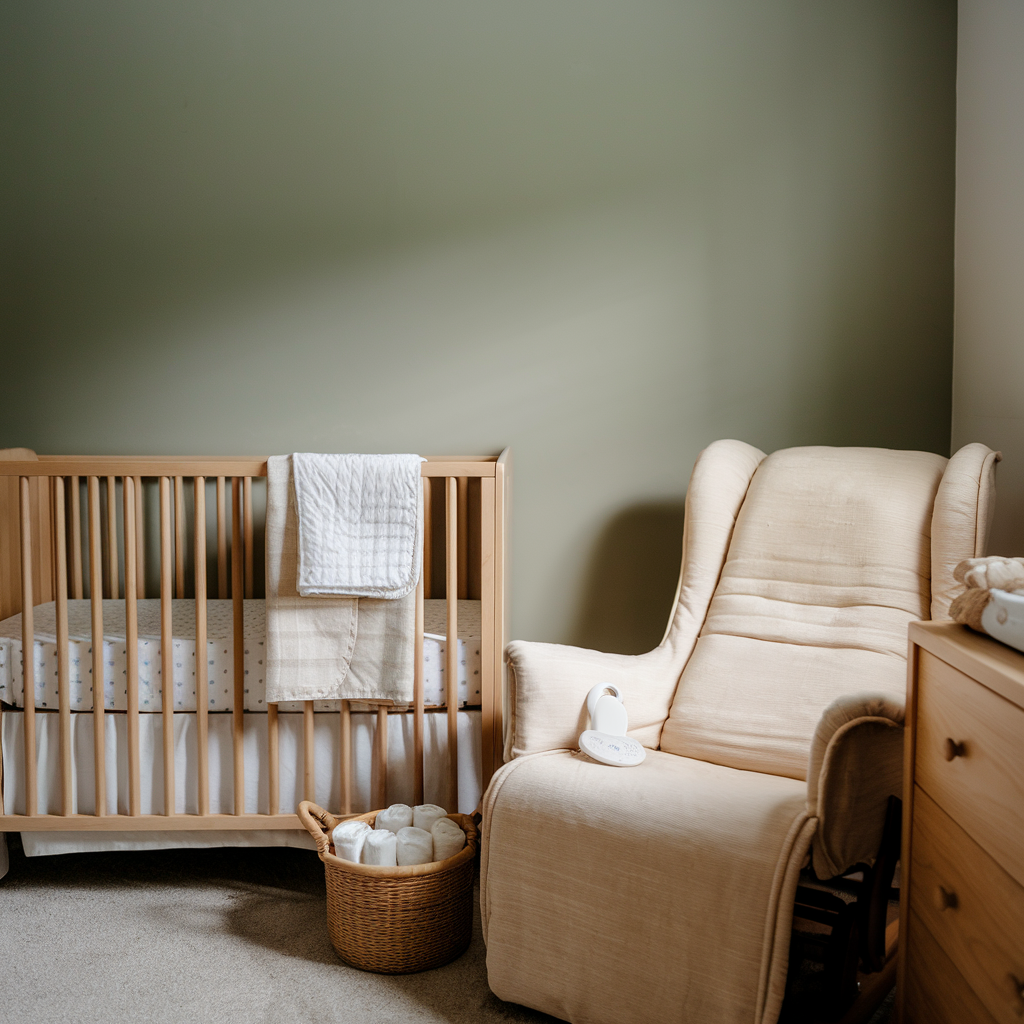
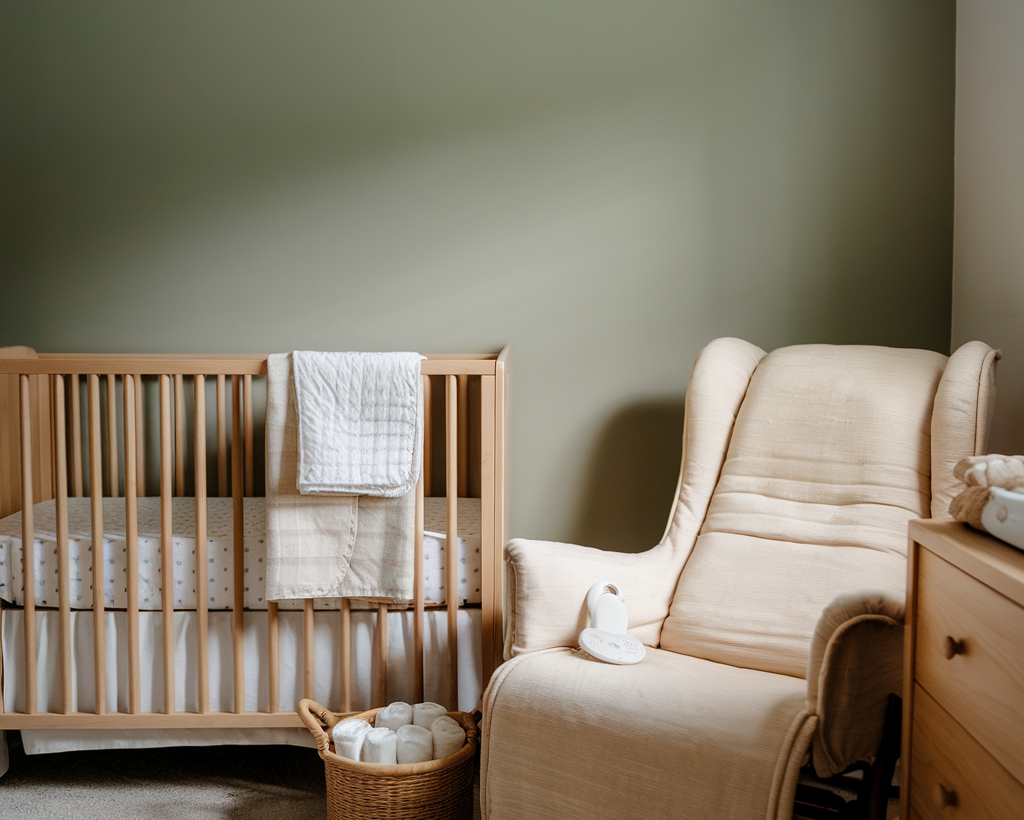
The nursery industry is brilliant at generating anxiety about things you need to buy. This checklist separates what your baby genuinely requires for sleep, feeding, and daily care from what’s marketed as essential but is really optional, impractical, or actively unhelpful.
Sleep: What You Actually Need
- A safe sleep space — a crib, Moses basket, or bedside sleeper (co-sleeper) that meets current safety standards. For the first 6 months, this should be in your room. Mattress must be firm, flat, and fit snugly. One good option is often better than multiple sleep spaces.
- 2–3 fitted sheets — more than this and you’ll be washed out before the first sheet pile accumulates. Two in use, one in the wash.
- 2–3 sleep sacks (wearable blankets) — 2.5 tog for 16–20°C room temperature. No loose blankets in the sleep space. Start with 0–6 month sizing.
- Room thermometer — cheap, essential. Accurately monitoring room temperature (target: 16–20°C / 61–68°F) is one of the most effective SIDS risk reduction measures you can take.
- White noise machine — or a phone app. The womb was loud; silence is unfamiliar. A white noise machine genuinely improves newborn and infant sleep quality. Keep it under 65 decibels and at least 2 metres from the cot.
- Blackout blind or curtain — essential from 4–5 months when daylight begins disrupting naps. Sticker blackout panels or a portable blackout blind work well in rented or temporary spaces.
Feeding: What You Actually Need
- If breastfeeding: a good nursing bra (measure yourself in the third trimester — breast size changes significantly postpartum); nursing pads; nipple cream (Lansinoh); a manual pump as backup; and a freezer stash bag set if planning to express. The electric pump decision can be made after the birth when you know your feeding situation.
- If formula or combination feeding: 4–6 bottles in a variety of teat types (try different brands before buying a full set); bottle brush; steriliser (electric steam steriliser is the most time-efficient); formula storage boxes for pre-measured travel portions.
- Regardless of feeding method: 8–10 muslin cloths (the single most-used item in a baby’s first year); a comfortable feeding chair or rocker (not essential but transformative for the hundreds of feeding hours ahead).
Changing: What You Actually Need
- Changing mat — a basic, wipe-clean mat is all you need. Raised changing tables look beautiful in nurseries and are used for approximately 18 months. A mat on the floor or a dresser-top works equally well for a fraction of the cost and a smaller footprint.
- Nappies — 2–3 packs of newborn size; don’t buy more until you know the brand works for your baby. If considering reusables, wait until 6–8 weeks when the initial frequency and unpredictability reduce slightly.
- Water-based unscented wipes — WaterWipes or similar for the newborn period. A large pack of cotton wool balls plus a bowl of warm water for the first few weeks.
- Barrier cream — Sudocrem, Bepanthen, or Metanium. Apply at every change.
- Nappy bin — optional but genuinely useful; reduces the number of trips to the outside bin daily.
What Babies Don’t Need (Despite What Marketing Suggests)
- A dedicated nursery in the first 6 months — baby should sleep in your room. The beautiful nursery can wait.
- A cot mobile with elaborate sounds and lights — often overstimulating for young babies and removed by 5 months anyway for safety.
- A baby monitor with video unless you genuinely won’t be within earshot. A basic audio monitor costs £20 and does the same job.
- A changing table if you have a flat surface and a mat — saves £150 and floor space.
- A wipe warmer — a genuinely unnecessary gadget that also creates a bacterial growth environment.
- A nappy stacker, hamper, or decorative storage set — a drawer works.
- A baby bathtub if you’re planning to bath in the kitchen sink or an adult bath with a bath seat. A £5 bath support costs less than most branded baby baths.
Common nursery mistakes
- Buying a cot bumper. Bumper pads are associated with infant suffocation and entrapment and are not recommended by the Lullaby Trust or NHS. They are banned in several countries.
- Setting the mattress at the lowest position from birth. Start at the highest position — it is far easier to lower a baby in without back strain. Lower it when the baby can pull to stand.
- Buying too much clothing in newborn size. Newborns can be in newborn sizing for 2 days or 2 months depending on birth weight. Stock mostly 0–3 months with only a few newborn pieces.
- Buying a changing table instead of a changing mat on a dresser. A changing table becomes redundant at approximately 2 years. A dresser with a changing mat on top remains useful indefinitely.
- Setting up the nursery in a different room from the start. NHS guidance recommends the baby sleep in the parents’ room for at least 6 months — a nursery in a separate room won’t be used for sleeping until at least then.
Frequently Asked Questions
How much should I realistically spend on a nursery?
The honest answer: the minimum functional spend — a safe sleep surface and mattress, bedding, a changing mat, nappies and wipes, basic feeding equipment — can be achieved for £200–400. A well-curated nursery that covers all genuine needs without excessive purchases: £500–800. The Instagram nursery with matching furniture, hand-painted murals, and a £1,200 cot: your choice, but none of it makes a safer or happier baby.
Can I use second-hand baby furniture?
Most items yes, with one exception: the mattress. A second-hand mattress is associated with increased SIDS risk and should not be reused, even within the same family. Everything else — cots, changing tables, furniture, bouncers — is fine second-hand if in good working condition and meeting current safety standards. Check for product recalls before using any second-hand equipment.
When should I actually set up the nursery?
For the first 6 months your baby sleeps in your room, so the nursery timing is less urgent than most expecting parents treat it. Setting up the changing and feeding area before birth is genuinely useful. The sleep space in your room needs to be ready. The nursery itself can be finished in the first 2–3 months without any urgency.
Related Reading
- Best baby monitors 2025: video, audio and smart compared
- Safe sleep for newborns: the complete ABCs guide
Disclosure: This post contains affiliate links. We may earn a small commission at no extra cost to you. We only recommend products we genuinely trust.
Found this helpful? Save this page and share it with anyone who needs it. Sign up to the LylyMama newsletter for more honest, practical guides every week.