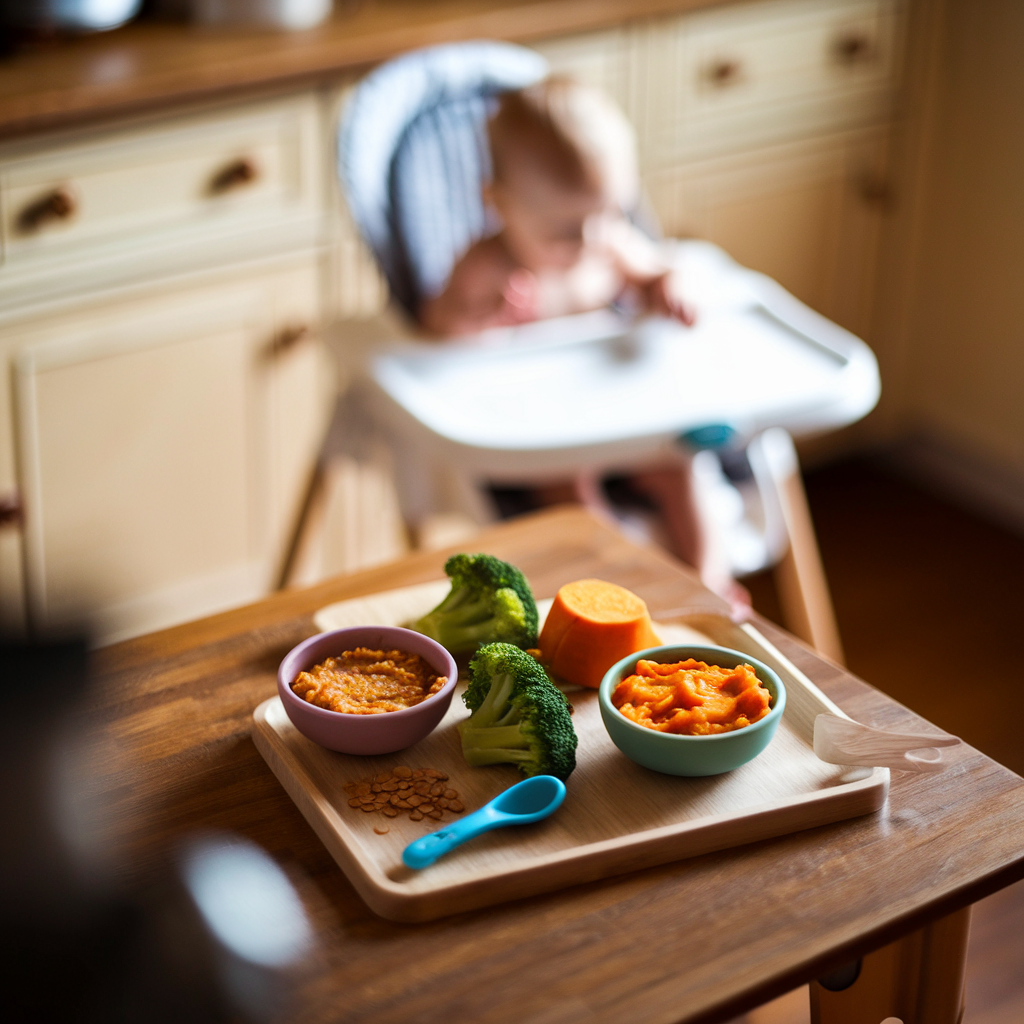
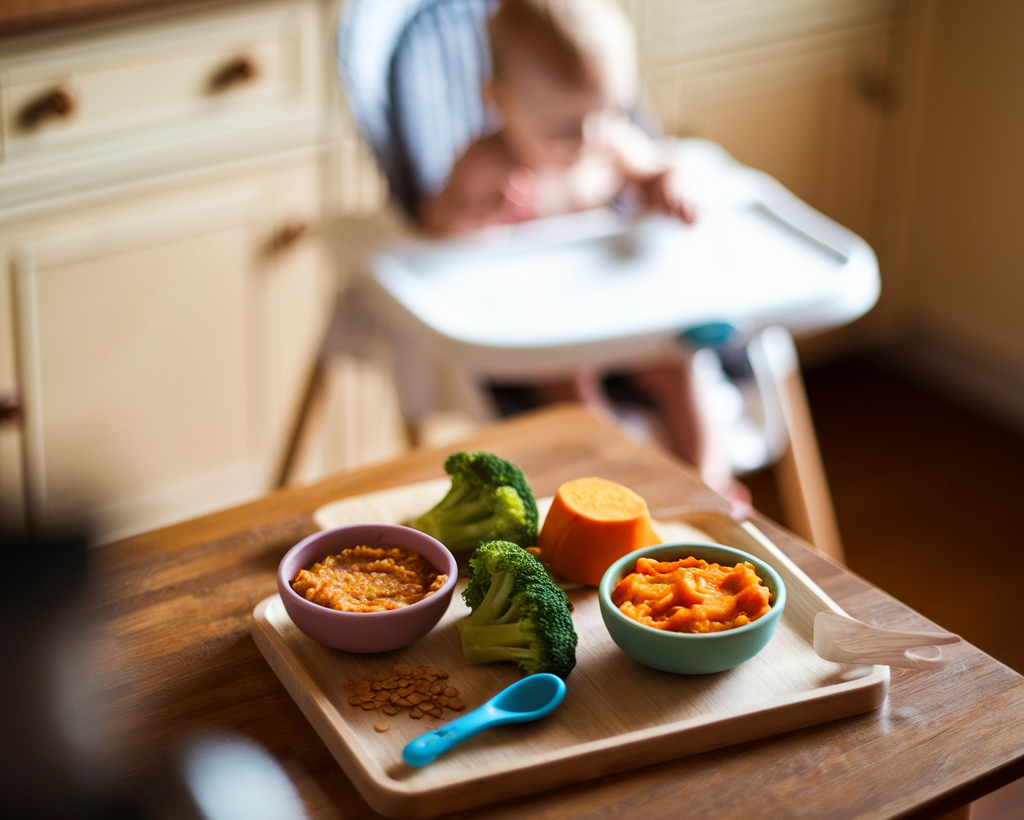
Iron is the most critical nutrient to focus on when starting solid foods at 6 months. Baby’s iron stores from birth begin depleting around this time, breast milk is naturally low in iron, and iron deficiency in infancy has significant effects on brain development that are not fully reversible. Here are iron-rich weaning recipes that are delicious for the whole family.
Why Iron Matters So Much at 6 Months
Babies are born with iron stores that typically last approximately 6 months. After that, dietary iron becomes essential. Iron deficiency before age 2 affects cognitive development, attention, and behaviour — and some of these effects persist even after iron levels are corrected. The NHS, WHO, and AAP all identify iron-rich foods as the primary focus when introducing solid foods. Signs of iron deficiency in babies: pallor, fatigue, poor appetite, slow weight gain, and reduced alertness — but deficiency can occur without obvious symptoms, which is why prevention through diet matters.
Highest Iron Content Foods for Babies
- Red meat (beef, lamb) — haem iron, most bioavailable, 2–3mg per 100g
- Dark poultry meat (chicken thighs, turkey) — haem iron, 1–1.5mg per 100g
- Lentils and legumes (red lentils, chickpeas, black beans) — non-haem iron, 2–3mg per 100g cooked
- Tofu (firm) — non-haem iron, 1.5mg per 100g
- Fortified cereals and baby rice
- Dark leafy greens (spinach, kale) — pair with vitamin C to improve absorption
- Dried fruit (apricots, prunes) — good iron but also high in natural sugars
Iron-Rich Recipes
Beef and Lentil Purée
Cook 100g minced beef with a little water until brown. Add 100g red lentils and 400ml low-salt stock. Simmer 20 minutes until lentils are completely soft. Blend to appropriate texture. This combines haem and non-haem iron for maximum absorption.
Spinach and Lentil Dhal
Fry onion, garlic, and ginger. Add 200g red lentils, 1 tin coconut milk, 1 tin tomatoes, 1 tsp cumin. Simmer 20 minutes. Add a large handful of spinach. Blend for babies, serve chunky for older babies. Rich in iron, vitamin C, and protein.
Chicken Liver Purée
Chicken liver is arguably the most iron-rich food available (over 9mg per 100g). Fry 100g chicken livers in butter for 3–4 minutes, blend with a little cream or water. Start with small amounts (1–2 teaspoons) 2–3 times weekly — avoid more frequently (vitamin A toxicity risk in excess).
Minced Lamb with Sweet Potato
Brown 100g lamb mince. Add cubed sweet potato, a small amount of water, and mild spices. Simmer covered for 15 minutes. Blend or mash. Excellent haem iron alongside vitamin A from sweet potato.
Kidney Bean and Tomato Sauce
Blend tinned kidney beans with tinned tomatoes, garlic, and cumin. Simmer 10 minutes. Serve with pasta or as a dipping sauce. The vitamin C in tomatoes significantly improves iron absorption from beans.
Fortified Baby Oatmeal
Fortified baby oat cereals provide approximately 6mg iron per serving — among the highest of any single food. Prepare with breast milk or formula, top with mashed banana or berry purée (vitamin C enhances iron absorption).
Iron Absorption: Maximise It
Non-haem iron (from plant foods) absorbs at only 2–5% efficiency compared to haem iron (15–35% from meat). To maximise plant iron absorption: pair with vitamin C at the same meal (orange, pepper, tomato, broccoli), avoid milk or calcium-rich foods at the same meal (calcium inhibits iron absorption), and cook in a cast iron pan (small amounts of iron leach into food).
Frequently Asked Questions
Does my baby need a separate iron supplement?
Formula contains added iron and formula-fed babies typically don’t need a separate supplement if taking adequate volumes. Breastfed babies exclusively are at higher risk and some paediatric societies (AAP) recommend liquid iron drops from 4–6 months for exclusively breastfed babies. Ask your health visitor or paediatrician about whether supplementation is appropriate for your baby.
My baby refuses meat — how do I ensure enough iron?
Plant-based iron sources can meet needs with careful planning: lentils, chickpeas, tofu, and fortified cereals paired with vitamin C at every meal. Iron absorption from plant sources is lower, so quantities need to be larger. If your baby is consistently refusing all iron-rich foods, discuss with your health visitor.
Disclosure: This post contains affiliate links. We may earn a small commission at no extra cost to you. We only recommend products we genuinely use.
Related Reading
- 6 month old baby: starting solids – a complete first-foods guide
- Baby-led weaning recipes: 20 finger foods for 6-9 months
Found this helpful? Sign up to the LylyMama newsletter for more recipes, weaning guides, and honest parenting content every week.