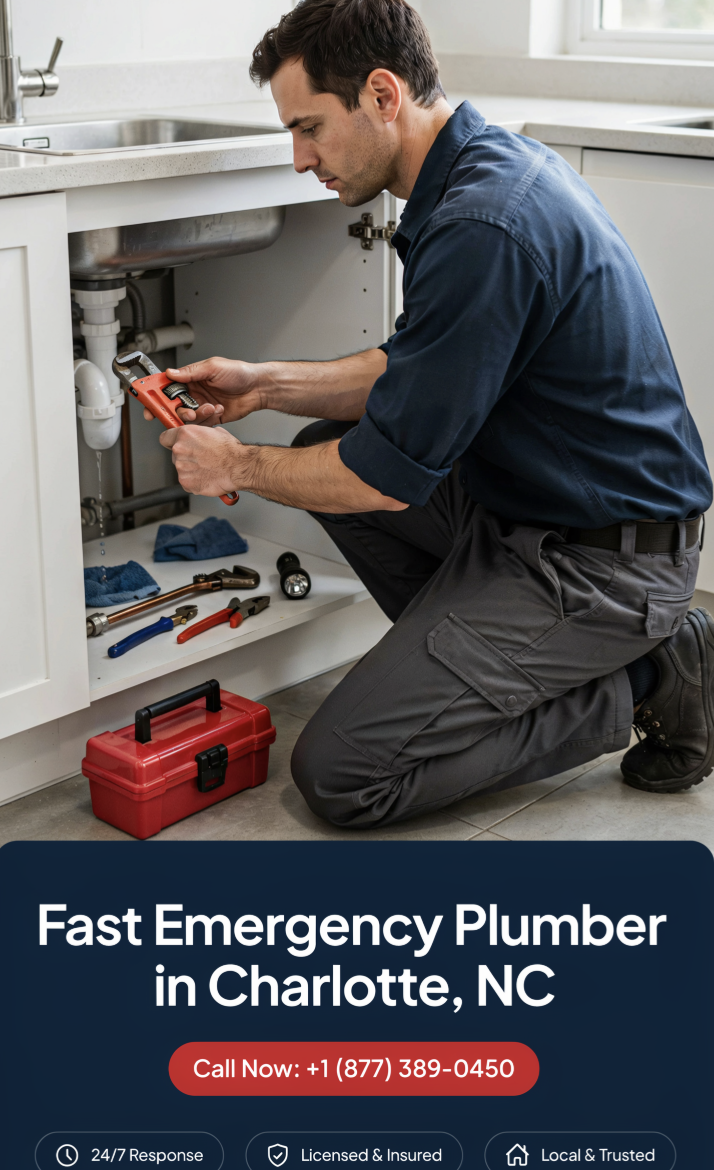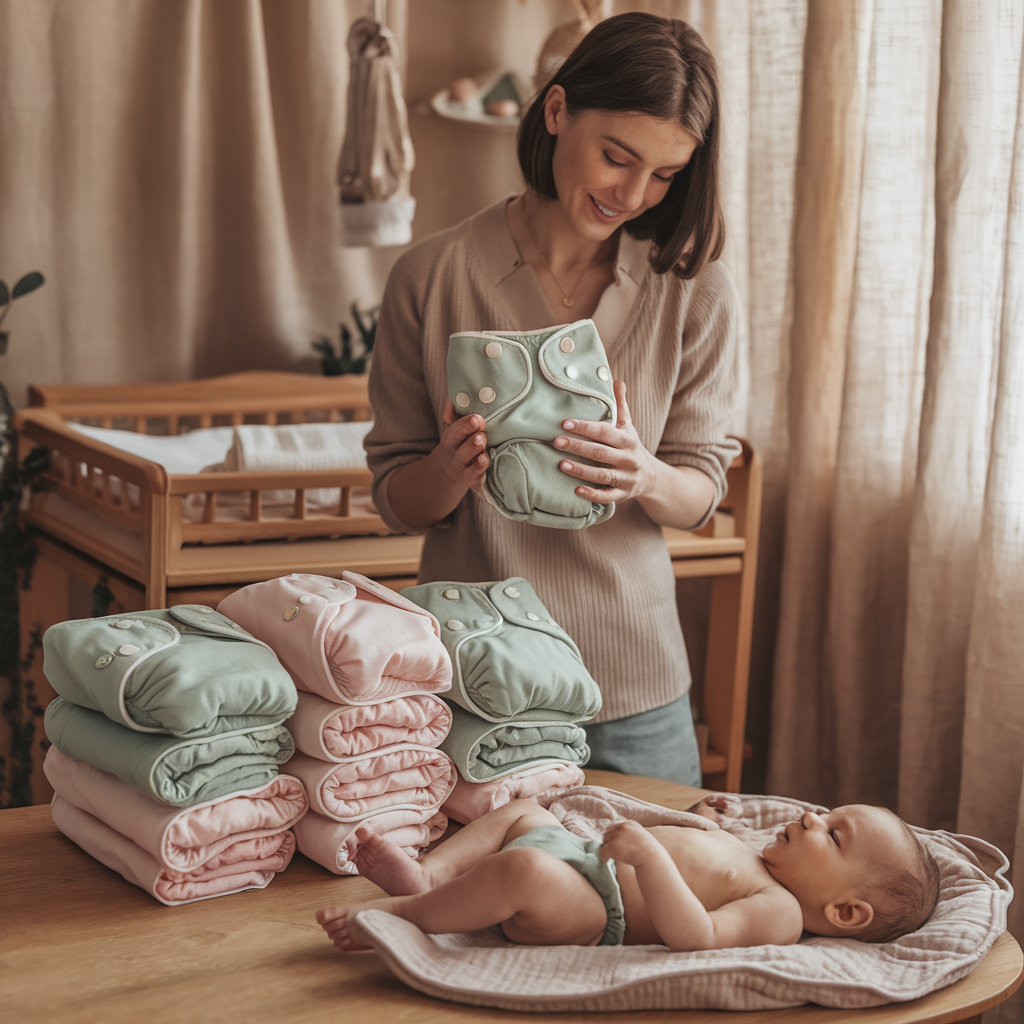
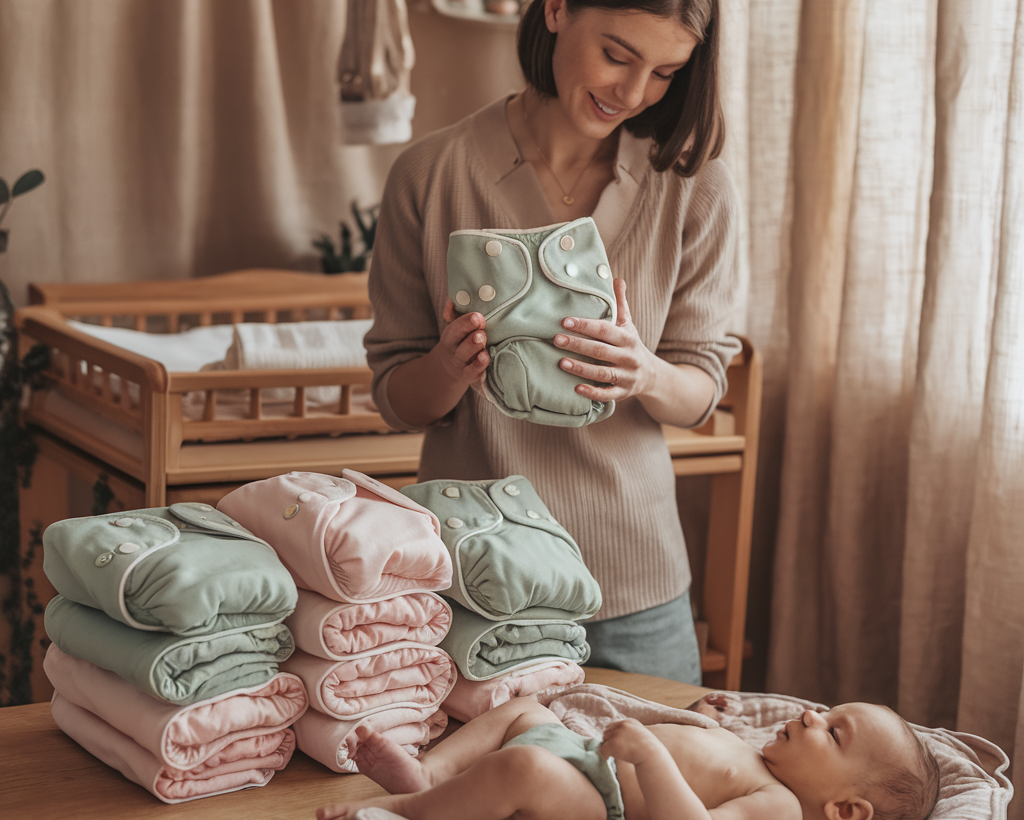
Reusable nappies are a genuine, cost-effective, and environmentally better alternative to disposables — but the learning curve is real, the options are numerous, and the commitment required is different from disposables.
How reusable nappies actually work
System types — all-in-ones (simplest but longest drying time); pocket nappies (fast drying, requires stuffing); two-part systems (most absorbent). Fit — most modern cloth nappies are ‘birth to potty’ (BTP) with snap adjustments. Washing — cold rinse, then 40–60°C wash, tumble dry or line dry.
Starter set: Little Lamb Mixed Trial Pack — ~£60 for 5 nappies
Little Lamb is one of the most respected UK cloth nappy brands. Their trial packs include multiple different absorbency options to help you find what works for your baby before committing to a full set. The trial pack approach makes sense before full investment — different babies suit different systems.
Pros: UK brand with good support, mixed trial packs allow testing before commitment, reliable absorbency
Cons: Not the cheapest per nappy, trial packs are smaller than a full stash
Best for: First-time cloth nappy users who want to test before fully committing
Budget full set: Bambino Mio Miosolo All-in-One (set of 15) — ~£150 for 15
An all-in-one nappy — no separate insert required, no stuffing, unfastens for drying like a book. The most accessible system for parents coming from disposables because the process is nearly identical. 15 nappies covers ~2–3 days, requiring washing every other day. Available in Boots and supermarkets.
Pros: Simplest system, no assembly, widely available, easy for childcare providers to use
Cons: Longer drying time than pocket nappies, less customisable absorbency
Best for: Families making the switch from disposables who want the simplest possible system
Premium full set: TotsBots Bamboozle Stretch Two-Part System (set of 20) — ~£250 with wraps
A two-part system (fitted nappy + separate waterproof wrap) providing the best absorbency available in cloth nappies. Better for overnight use and heavy wetters. The wraps are reused across multiple changes (spot clean and air dry between uses). Higher complexity is the trade-off for superior performance.
Pros: Best absorbency available, excellent for overnight, fewer wraps needed, high quality
Cons: Most complex system, slowest to dry, requires more folding
Best for: Parents committed to full-time cloth nappying who want the most absorbent option, particularly overnight
Which system suits your household
Washing instructions that matter most: full load at 60°C (adequate for hygiene; hotter risks shrinkage), no fabric softener (significantly reduces absorbency — this is the most common reason cloth nappies start leaking), line dry when possible (UV removes staining and adds natural disinfection), and don’t overstuff the drum (maximum two-thirds full for adequate agitation). Build time allowance into your routine: wash takes 2 hours, drying 4–8 hours depending on fabric — you need a minimum 20-nappy stash to cover this cycle comfortably.
Frequently Asked Questions
How many reusable nappies do I need?
Full-time use: 20–25 nappies allows washing every 2 days. Part-time alongside disposables: 10–15.
Are reusable nappies really more environmentally friendly?
Yes — over the full lifecycle, approximately 40% lower carbon emissions than disposables (2023 Environment Agency study), assuming efficient washing.
How do I handle nappy changing away from home with cloth?
Take a wet bag (waterproof zip bag) for used nappies — store them in it until you get home. Use a portable changing mat. Change as you normally would and seal the used nappy in the wet bag. Most families carry 2–3 extra nappies than they’d take with disposables to account for heavier wetters and delayed changes. Wet bags don’t leak and don’t smell if sealed promptly.
Related Reading
- Nursery essentials checklist: what you actually need vs nice-to-haves
- How to treat nappy rash fast
- Best baby bath seats and tubs safe and practical
Disclosure: This post contains affiliate links. If you buy through our links we may earn a small commission at no extra cost to you. We research products independently and are never paid to recommend specific items.
Found this helpful? Sign up to the LylyMama newsletter for honest, researched guides on everything you need in pregnancy and early parenthood.
Trial packs include a mix of Little Lamb’s different absorbency systems — bamboo, cotton, and microfibre inserts — allowing you to identify what works for your baby’s wetting pattern before committing to a full set of one type. The most common reason people abandon cloth nappies is leaking, which usually indicates the wrong absorbency type for their baby rather than cloth nappies failing generally.
The Miosolo AIO has no separate insert — the absorbent pad is attached to the waterproof shell and the whole thing unfolds for drying like a book. This makes nursery handover straightforward: no assembly knowledge required from nursery staff. Available in Boots and larger supermarkets — replacement and additional nappies are accessible without specialist ordering.
The bamboo/cotton Bamboozle’s absorbency level is substantially higher than any AIO or pocket nappy — making it the appropriate choice for heavy wetters, overnight use, and babies who need maximum absorption. The separate Motherease Airflow wrap is reused across multiple changes (spot clean and air between uses), meaning you need fewer wraps than nappies: approximately 5 wraps for 20 nappies.