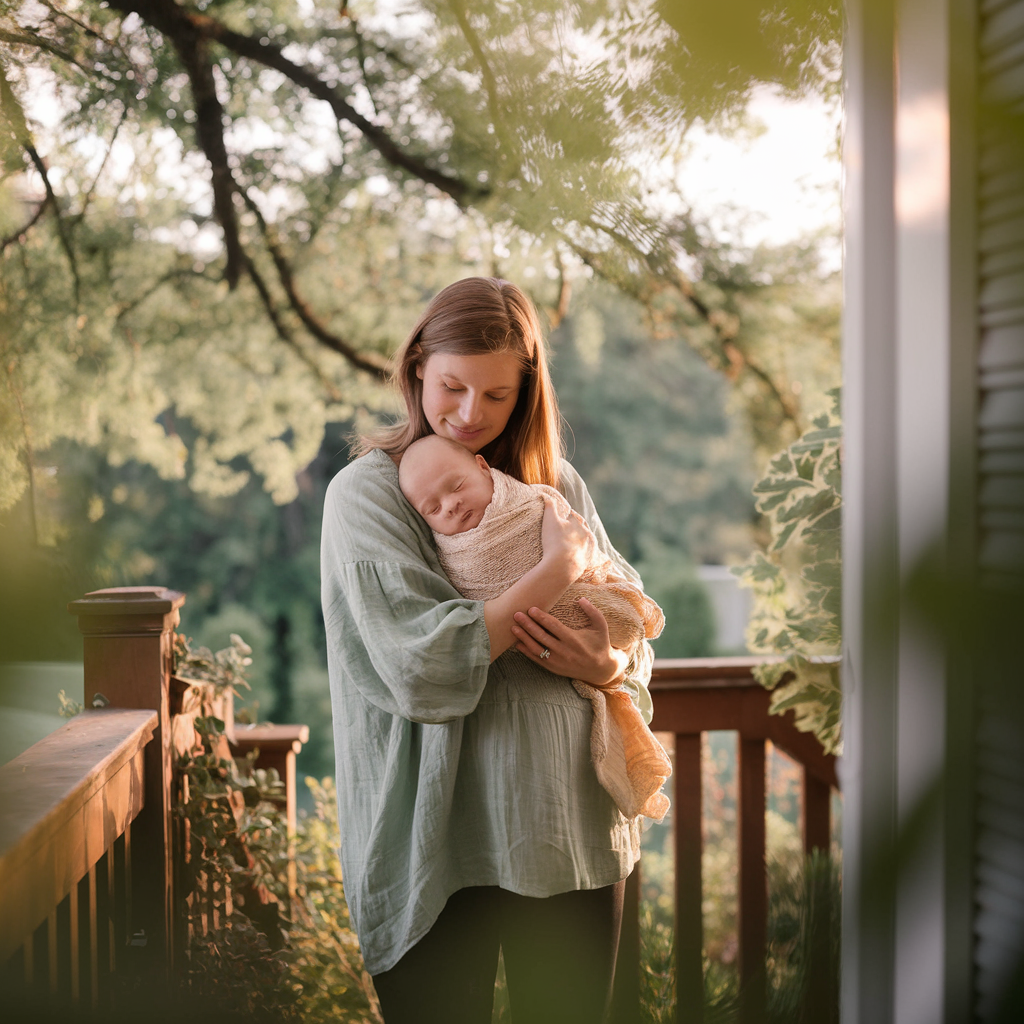
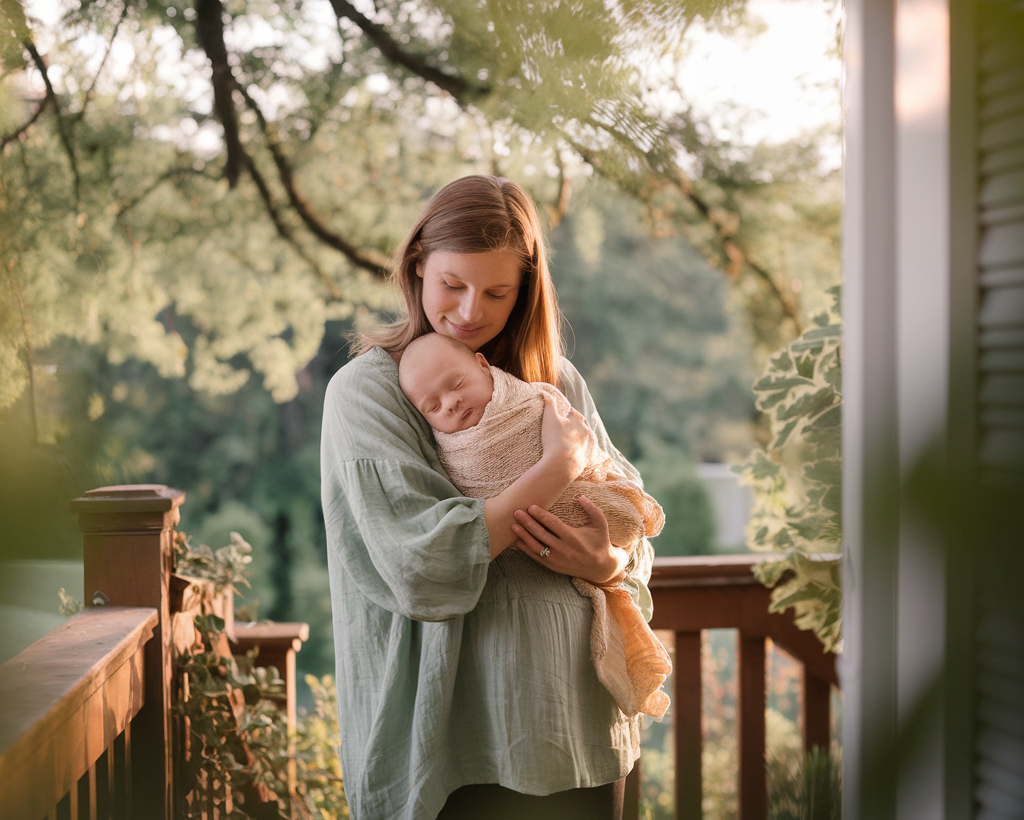
Quick answer: Immediately — there is no medical minimum age for outdoor exposure in healthy full-term babies. Fresh air and natural light are beneficial from birth. The precautions are practical: appropriate dressing, sun protection, and avoiding crowded indoor environments in the first 6–8 weeks.
The myth of the 6-week indoor rule
No major paediatric or public health organisation recommends keeping a healthy full-term baby indoors for any minimum period. The 6-week indoor recommendation that some older family members may cite has no evidence base in current medicine. Fresh air and natural light exposure are beneficial from any age: daylight in the morning helps establish the circadian rhythm earlier; outdoor time is one of the most consistently recommended interventions for postnatal mental health; and the practical and social benefits of leaving the house — for the parent — are clinically significant. The postpartum isolation that can develop when new parents restrict themselves unnecessarily to the house is a genuine risk factor for PND.
Temperature and dressing
Newborns cannot regulate temperature efficiently and lose heat through their large head proportionally faster than adults. In cold weather: a hat is the most important single item; appropriate layers underneath; a footmuff in the pram. In hot weather: keep out of direct sun (see sun exposure below); check temperature at the neck regularly; a muslin loosely over the pram hood allows air circulation. In any weather: the back-of-neck assessment applies — warm but not sweaty.
Sun protection from the start
Under 6 months: avoid direct sun completely where possible — newborn and infant skin burns faster than older skin and sunscreen is not recommended under 6 months. Use shade from a pram canopy, tree, or building. A UV-rated pram hood is useful. Over 6 months: SPF 50+ mineral sunscreen on exposed skin, a wide-brimmed hat, and limiting direct midday sun. Never leave a baby in a closed pram in direct sun — the temperature inside rises rapidly.
Sensible precautions in the first 6–8 weeks
Avoiding large indoor crowds in the first 6–8 weeks is sensible immune-maturity caution — not a reason to stay indoors, but to prefer outdoor walks and open spaces over crowded indoor venues. Quiet outdoor environments (park, garden, neighbourhood walk) carry very low viral exposure risk. The main practical precaution: request that visitors who are unwell don’t handle the baby — this is straightforward to communicate and reasonable.
Frequently Asked Questions
Should I avoid public transport with a newborn?
Crowded indoor public transport carries higher viral exposure than outdoor walking — particularly in winter. If you live somewhere where public transport is necessary for daily life, the risk is manageable with sensible precautions (keep the baby’s face away from others, wash hands before touching the baby’s face, use a carrier rather than pram if possible). Complete avoidance is not necessary for most healthy term babies.
Can I take my newborn to a supermarket?
Yes — brief errands are fine. Keep people from reaching into the pram to touch the baby. Use the early morning when supermarkets are less crowded. The risk from a supermarket visit is very low — the important thing is avoiding prolonged close contact with large numbers of different people in the first 6–8 weeks.
My baby was premature — is the ‘go outside immediately’ advice the same?
No. Premature babies (especially under 34 weeks) have more significant immune immaturity and specific vulnerabilities — RSV in particular is serious in premature babies in their first winter. Your neonatologist or discharge pediatrician will give specific guidance for your baby’s gestational age and clinical history.
Related Reading
- Bringing baby home: the first 24 hours survival guide
- Is it normal for babies to have hiccups so much?
- Best strollers 2025: tested by real moms (all budgets)
Found this helpful? Sign up to the LylyMama newsletter — evidence-based answers to the questions every new parent actually has.