
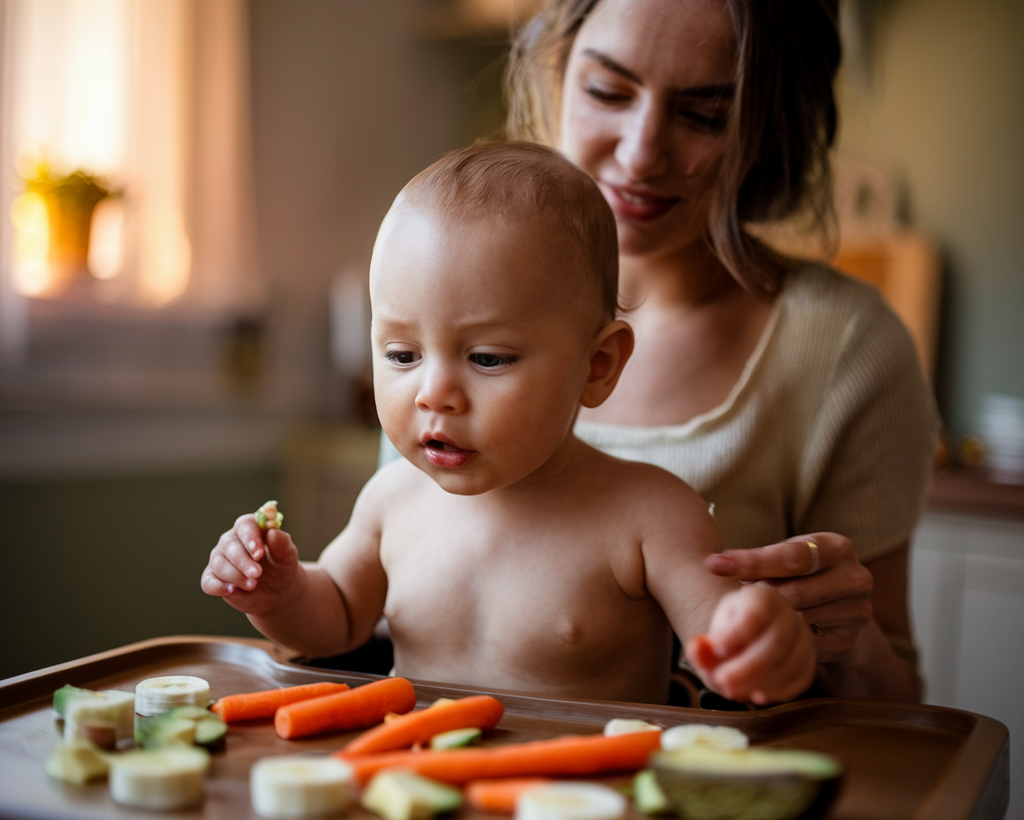
The list of foods babies should avoid in the first year is far shorter than most parents think. This complete guide covers what to actually avoid, what’s safe (despite common myths), and when restrictions can be lifted.
Under 6 Months: Milk Only
Before 6 months (or before showing all developmental readiness signs): breast milk or infant formula only. No solid foods, no water, no juice, no flavoured milk. The WHO and AAP both recommend exclusive breast or formula feeding for the first 6 months.
6–12 Months: What to Avoid
No Added Salt
Baby kidneys cannot process sodium efficiently. Don’t add salt to any food prepared for babies. Check labels on any packaged food — choose those with less than 0.1g sodium per 100g where possible. Cook family food without salt and add salt to adult portions at the table.
No Added Sugar
Sugar damages developing teeth and trains the palate toward sweetness. No added sugar in any form: no cane sugar, no brown sugar, no agave, no fruit syrup. Natural sugars in whole fruit are appropriate.
Honey (Under 12 Months)
Honey can contain Clostridium botulinum spores that produce botulism toxin — a baby’s immature gut allows germination of these spores, which adult guts don’t. Honey is safe after 12 months.
Whole Nuts
Choking hazard. Whole nuts of any type should not be offered under 5 years. Nut butters, ground nuts, and nut flour are all safe from 6 months when introduced as an allergen.
Whole Grapes and Cherry Tomatoes
Round, firm, slippery foods can lodge in the airway. Always halve or quarter grapes and cherry tomatoes — do this consistently until age 5.
Raw Shellfish and Raw Fish
Risk of food poisoning — immune systems are immature. Cooked shellfish and cooked fish are safe.
Unpasteurised Cheeses and Dairy
Risk of Listeria, E. coli, and Salmonella — avoid unpasteurised milk, soft cheeses made from unpasteurised milk, and unpasteurised yogurt.
High-Mercury Fish
Shark, swordfish, king mackerel, tilefish, bigeye tuna — avoid entirely. Low-mercury fish (salmon, sardines, cod, trout) are encouraged.
Common Myths: Foods That Are Actually Fine
- Cow’s milk as a cooking ingredient — safe from 6 months (as main drink from 12 months)
- Egg — safe and encouraged from 6 months; introduce early as this may help reduce allergy risk
- Peanut and tree nuts — safe as nut butter or ground from 6 months; early introduction reduces allergy risk
- Spices and herbs — safe from 6 months (mild spices: cumin, coriander, turmeric, ginger)
- Citrus fruit — safe from 6 months; may cause mild facial rash that resolves quickly
- Strawberries — safe from 6 months; introduce as an allergen despite not being in the ‘top 9’
- Full-fat dairy (yogurt, cheese) — safe from 6 months; essential calcium source
Frequently Asked Questions
Can babies have cow’s milk in cooking under 12 months?
Yes — cow’s milk as a cooking ingredient (in porridge, sauces, pancakes) is safe from 6 months. It shouldn’t be the main drink before 12 months because it’s low in iron and high in protein in a way that can stress immature kidneys when consumed in large volumes as the primary fluid.
Are there any foods I should avoid while breastfeeding?
The list is much shorter than commonly believed: limit caffeine to 200mg/day, avoid alcohol or follow safe limits, limit high-mercury fish. You do NOT need to avoid dairy, spicy food, garlic, broccoli, or citrus unless your baby shows specific signs of sensitivity.
Disclosure: This post contains affiliate links. We may earn a small commission at no extra cost to you. We only recommend products we genuinely use.
Related Reading
- Baby-led weaning vs purees: which approach is right for your family
- 6 month old baby: starting solids – a complete first-foods guide
Found this helpful? Sign up to the LylyMama newsletter for more recipes, weaning guides, and honest parenting content every week.