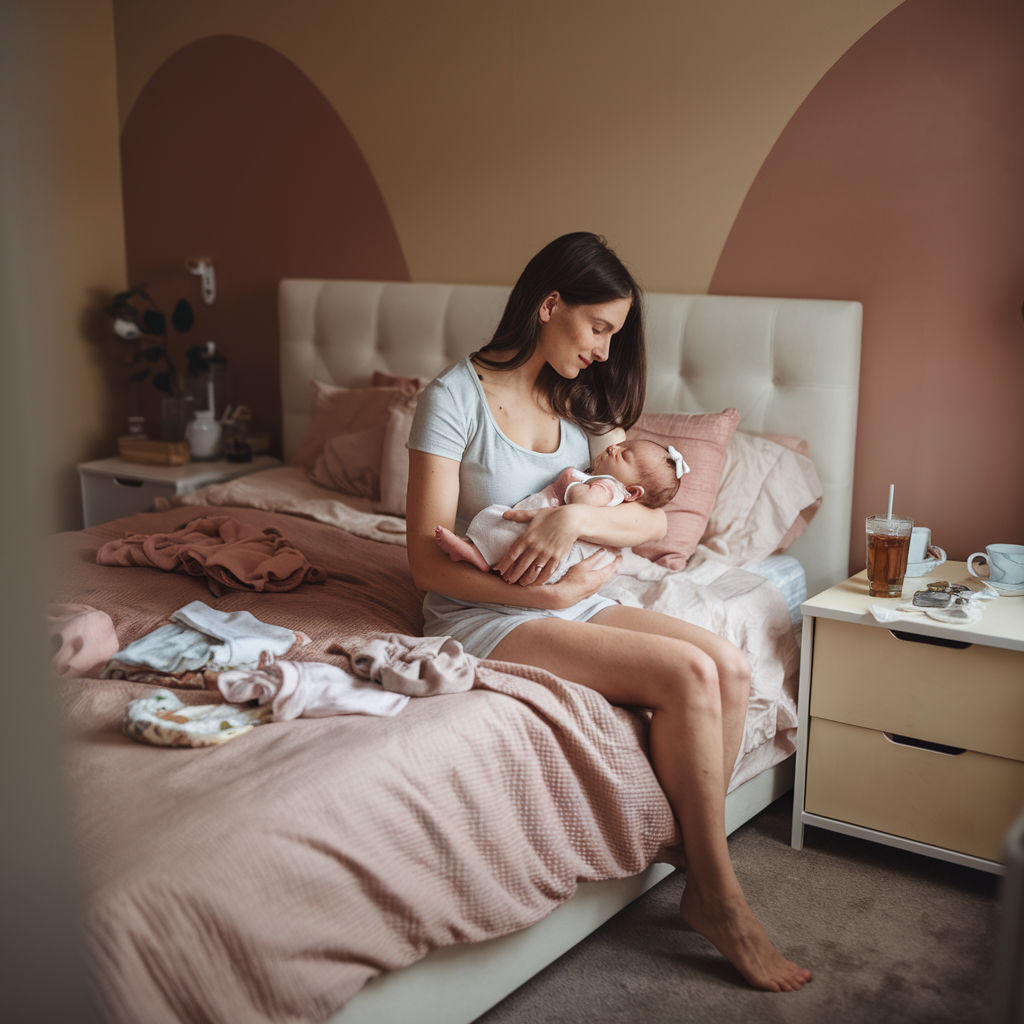
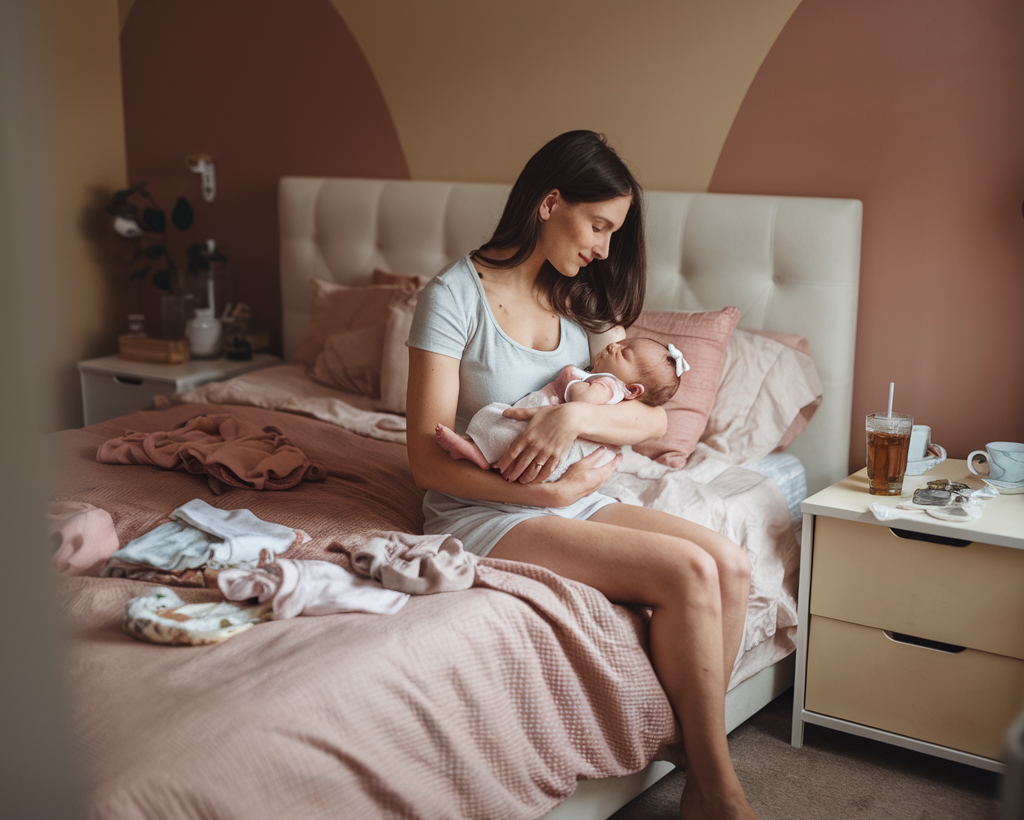
‘Cherish every moment.’ ‘It goes so fast.’ ‘Enjoy it — they’re only little once.’ These sentences are said to new parents approximately four thousand times in the first year of their child’s life, almost always by people who have forgotten the granular texture of it. They are said with love. They land as pressure.
The problem with ‘every moment’
Every moment includes: 3am with a baby who has been crying for two hours and shows no sign of stopping. The fourth nappy change before 10am. The stage where every meal is refused, thrown, or used as a medium for art. The six-week colic peak. The baby who won’t be put down and the parent who hasn’t eaten, showered, or sat down since 7am.
The instruction to enjoy every moment of this is not advice — it’s a request to perform an emotion you don’t necessarily feel, on demand, under difficult conditions. And when you can’t, it becomes evidence that you’re doing it wrong.
The function of the instruction
‘Enjoy every moment’ is not primarily for the benefit of the person hearing it. It’s a way of processing grief and nostalgia on the part of the person saying it. Parents further along, watching a new baby, are accessing their own memories of that stage — which time has processed into something softer, edited of the 3am specifics. They are speaking from their present emotional relationship to their child’s infancy, not from accurate recall.
This is not a criticism. It’s useful to understand because it means the instruction is not based on reliable data. The parent with the screaming baby is not doing it wrong. They’re experiencing the actual thing, unfiltered by time.
Permission not to enjoy it
You are allowed to not enjoy every moment. You are allowed to find this hard. You are allowed to wish a developmental stage would pass faster, to count down to the end of the newborn phase, to prefer your child at 3 months more than you preferred them at 3 weeks. These are not failures of love — they’re the honest experience of a person navigating something genuinely difficult.
The pressure to enjoy every moment is not neutral. Research on ‘intensive mothering’ ideology — the belief that good mothers are endlessly engaged, finding meaning in every interaction — correlates with higher maternal depression, anxiety, and lower life satisfaction. The pressure is not good for you. You are allowed to set it down.
What actually matters
Research on what children remember, and what matters for their attachment security, is clear: responsive presence over time. Not every moment perfectly enjoyed. Not performances of delight at each developmental step. A parent who is present and responsive, who repairs when things go wrong, who shows warmth and attunement in the aggregate — this produces secure children. Not a parent under permanent pressure to cherish the moments they’re actually finding hard.
You are allowed to be a human being having a human experience. That is enough. It has always been enough.
What ‘enjoying it’ can actually mean
There’s a version of enjoyment that’s quieter and more durable than the one the ‘every moment’ instruction implies. Not the performance of bliss at 3am, not the Instagram caption joy, but the specific satisfaction of knowing your baby’s particular sound for hunger versus tiredness. The way a four-month-old sees you across a room and their whole face changes. The specific weight of a sleeping baby on your chest. None of these require the backdrop of constantly loving the experience — they exist alongside the exhaustion and the difficulty and the moments when you’d genuinely rather be somewhere else. ‘Enjoy it while it lasts’ is bad advice delivered at the wrong time. But there are things worth noticing, not because you should feel grateful, but because they are actually good, and they exist concurrently with everything hard.
Related Reading
- Mum guilt: why you feel it and how to stop letting it run your life
- I hated being pregnant – and that’s allowed
You are not alone. Sign up to the LylyMama newsletter for honest writing about the real experience of motherhood — the hard parts, the complicated parts, and occasionally the beautiful ones.