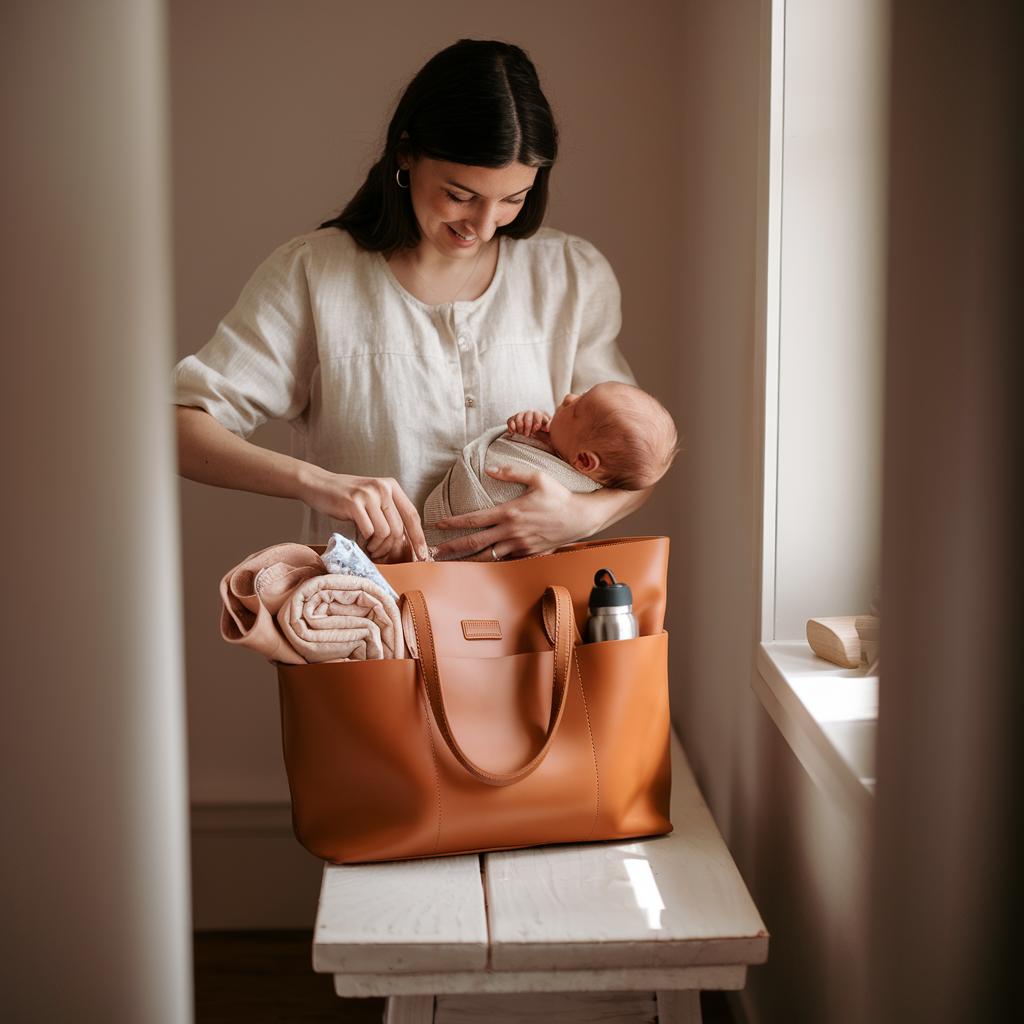
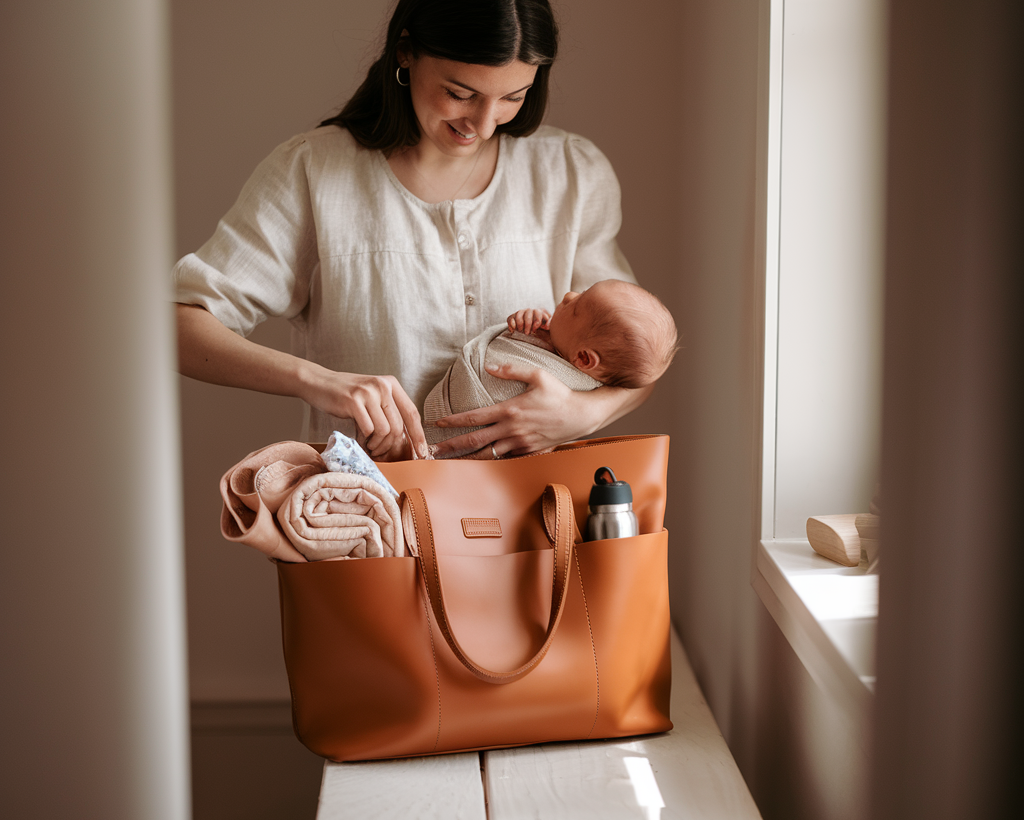
A nappy bag is used every time you leave the house with a baby for approximately 2–3 years. The right bag genuinely changes daily logistics. The wrong one becomes an expensive source of daily frustration.
What separates a good nappy bag from a great one
Capacity — you need space for: 4–6 nappies, wipes, nappy bags, changing mat, 1–2 outfit changes, snacks, your wallet and keys, and feeding supplies. This is more than most standard bags accommodate. Changing mat inclusion — a built-in mat is a significant practical advantage. Pram attachment — clips that attach to the pram handle are disproportionately useful.
Budget: Pacapod Mirano — ~£60–80
Pacapod pioneered the pod organisational system — a dedicated nappy pod and feeding pod that clip inside the main bag and can be grabbed individually. The Mirano includes a changing mat, attaches to a pram, and looks like a regular tote rather than a nappy bag. The pod system solves the problem of rooting through a large bag for one thing.
Pros: Pod system keeps contents organised, includes changing mat, pram clips, not obviously a nappy bag
Cons: Smaller than some alternatives, pods add to price, no insulated bottle pocket
Best for: Organised parents who want a neat system and a bag that doesn’t look like a nappy bag
Mid-range: Skip Hop Forma Backpack — ~£80
A backpack-style nappy bag with excellent organisation (multiple internal and external pockets, insulated bottle pockets, dedicated changing mat pocket) that wears comfortably on the back. Pram clips work well. Clean, modern design that doesn’t read as a baby product. One of the most consistently recommended nappy backpacks by UK parent communities.
Pros: Backpack carry frees both hands, great organisation, insulated pockets, pram clips, modern aesthetic
Cons: Harder to access quickly than a tote while wearing, slightly smaller capacity
Best for: Parents who want their hands free and prefer backpack carry — our top recommendation
Premium: Storksak Carey Backpack — ~£150
Genuine quality of materials (vegan leather, anti-scuff lining, metal hardware) with functional organisation and a changing mat. A bag you’ll carry beyond the baby years without embarrassment. The premium is for materials and longevity — this bag won’t look exhausted after 18 months of daily use the way cheaper options do.
Pros: Premium materials, looks professional beyond baby years, excellent build quality
Cons: Expensive — hard to justify unless longevity and aesthetics are genuine priorities
Best for: Parents who want a bag that works as long as they need it and remains stylish
How to choose for your lifestyle
Before buying a dedicated nappy bag: assess whether a regular backpack with a separate portable changing mat (£10–15) and stroller hooks (£8–12) covers your needs. The advantages of a dedicated bag are the integrated changing mat, wipe-clean lining, and stroller attachment. If those aren’t priorities, a regular bag works perfectly. When choosing: try on the bag in the shop and simulate reaching for something with one hand — one-handed access is the real-world test.
Frequently Asked Questions
Do I need a separate changing mat?
Most quality nappy bags include a foldable mat. If yours doesn’t, the Skip Hop Pronto changing station is an excellent separate purchase.
Can I use a regular backpack as a nappy bag?
Yes — the advantages of a dedicated nappy bag are the included mat, pram attachment, and organised pockets. With a portable mat, a regular backpack is functionally similar.
What should always be in the nappy bag?
Minimum for any outing: 2–3 nappies per expected hour out, wipes, nappy bags, a spare outfit (always one size larger than current — easier to dress and accommodates recent growth spurts), changing mat, your phone and card. For longer outings add: muslins, feed supplies (bottles, formula, snacks from 6 months), comfort item. The common mistake is bringing too much — a heavy bag with everything possible is harder to manage than a lighter bag with just what’s needed for the specific trip.
Related Reading
- Hospital bag checklist: everything mum, baby and partner need
- 30 weeks pregnant: hospital bag – start packing now
- Best strollers: the complete guide (all budgets)
Disclosure: This post contains affiliate links. If you buy through our links we may earn a small commission at no extra cost to you. We research products independently and are never paid to recommend specific items.
Found this helpful? Sign up to the LylyMama newsletter for honest, researched guides on everything you need in pregnancy and early parenthood.
Pacapod’s pod system is its defining feature — a separate nappy pod and feeding pod clip into the main compartment and can be grabbed individually without unpacking everything. For parents who find themselves rooting through a large bag under time pressure with one hand, having a dedicated self-contained nappy pod is a genuine functional improvement. The tote silhouette looks like a standard handbag.
The Forma’s stroller straps attach to pram handles and hold the bag flat against the back of the seat — keeping weight off your shoulders during walks. Side bottle pockets accessible without removing the bag are one of the most practically useful features in any nappy bag. Clean modern design in muted colourways doesn’t read as baby equipment.
The Carey’s vegan leather exterior and metal hardware are built to last the nappy years and beyond. The anti-scuff lining survives years of loading and unloading. For parents who want a bag that transitions out of the baby phase without looking like a nursery accessory, the Storksak holds its appearance over time where cheaper materials deteriorate.