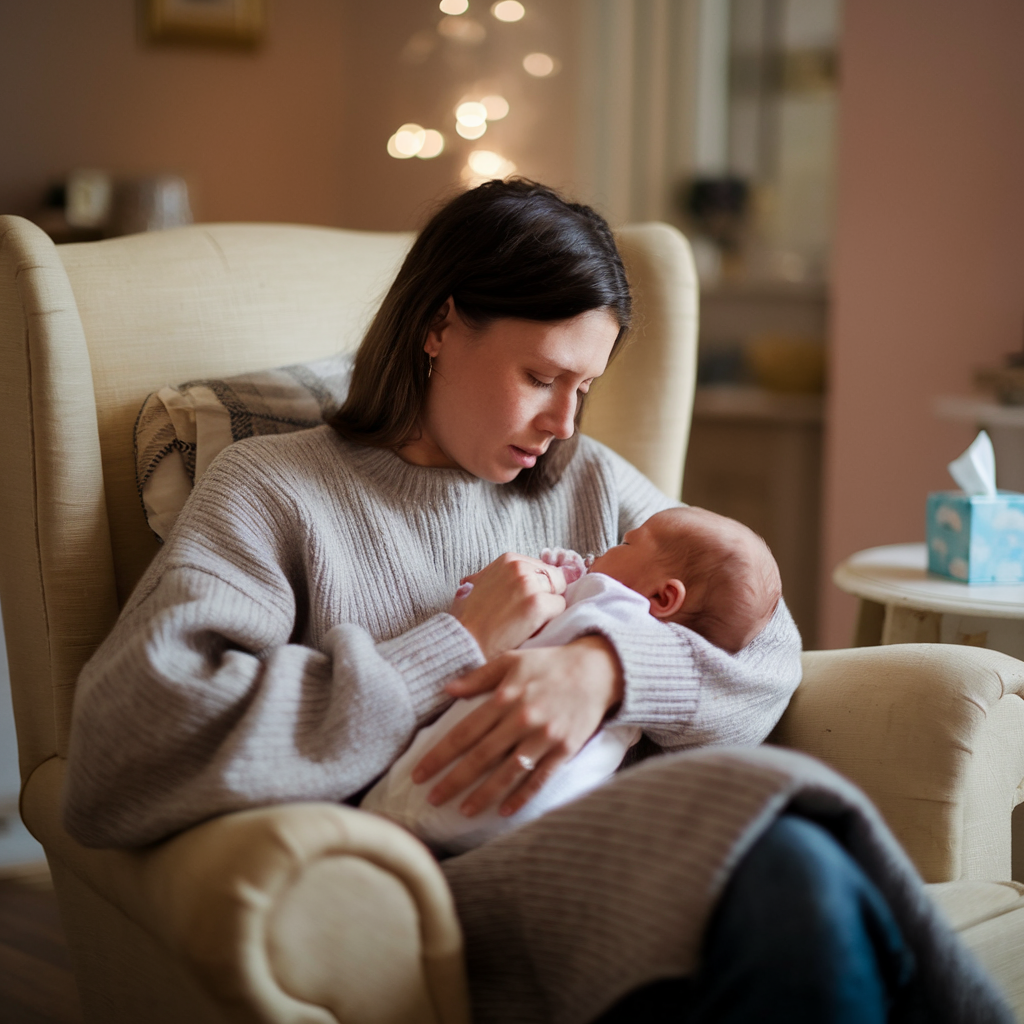
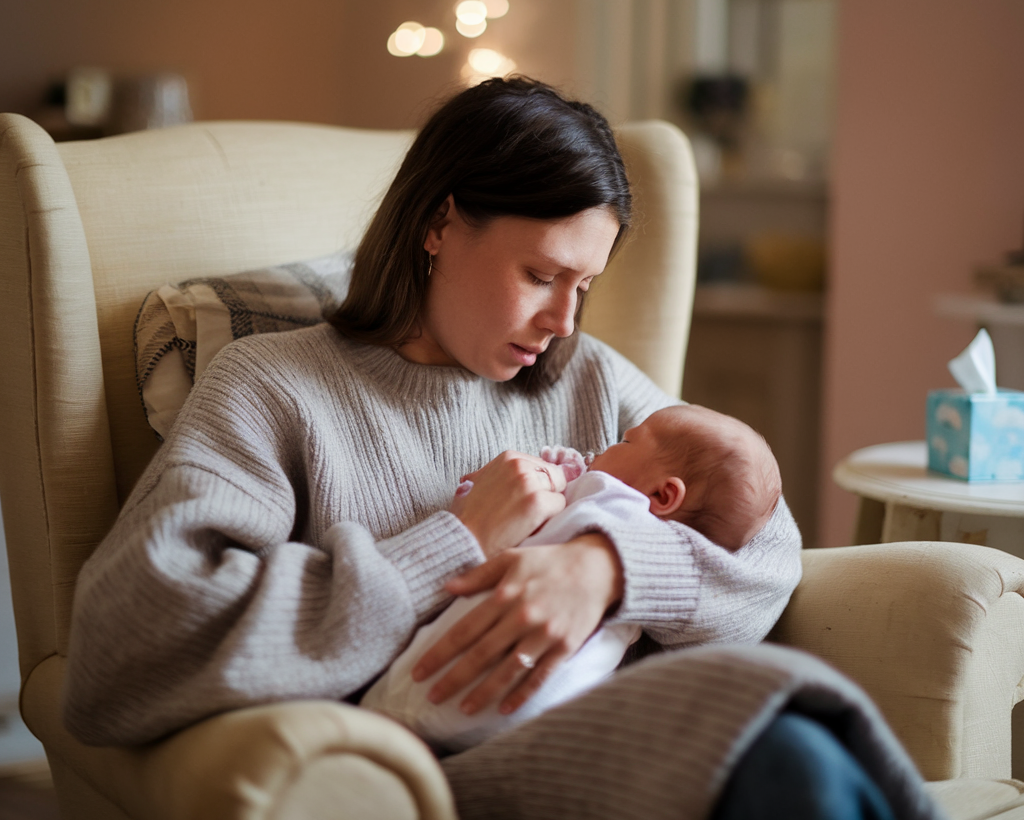
Quick answer: Yes — breastfeeding is safe and actively encouraged if you have COVID-19. COVID-19 is not transmitted through breast milk. Your milk contains protective antibodies against COVID that benefit your baby. Continue breastfeeding with good hand hygiene and a mask when handling your baby.
COVID and breast milk: what the evidence shows
Multiple studies have found that SARS-CoV-2 (the virus that causes COVID-19) is not transmitted via breast milk. A 2020 JAMA study of 18 breastfeeding women with COVID found no infectious virus detectable in milk samples. The ACE2 receptor that SARS-CoV-2 uses to enter cells is not present at significant levels in the infant gut, providing an additional biological barrier. WHO, CDC, UNICEF, and the UK’s Scientific Advisory Group all support continuing breastfeeding with COVID infection.
Your milk contains COVID antibodies
IgA antibodies specific to SARS-CoV-2 appear in breast milk within days of infection or vaccination and persist for months. These secretory IgA antibodies protect the infant’s mucosal surfaces — the lining of the gut and respiratory tract where respiratory viruses attempt entry. Research published in Frontiers in Immunology (2021) found neutralising antibodies in the milk of COVID-positive mothers that remained active against live virus in laboratory testing. Breastfeeding during COVID illness is not just safe — it’s actively beneficial for the baby’s protection.
Precautions while feeding
The precautions are about respiratory transmission, not milk transmission. Wear a surgical or FFP2 mask when feeding and handling your baby. Wash hands thoroughly before and after contact. If you are too unwell to feed directly, express milk (wearing a mask, washing hands before pump use) and have a healthy family member give the milk by bottle. These are temporary precautions during the acute infectious period — when you are past the contagious phase, you can feed without a mask normally.
COVID vaccination and breastfeeding
All approved COVID vaccines are safe to receive while breastfeeding. Vaccine mRNA does not enter breast milk in meaningful quantities — the tiny amounts detected in some studies in the days immediately post-vaccination are degraded in the infant’s digestive system and cannot produce vaccine effects. The antibodies that vaccination generates, however, do transfer in breast milk and provide passive immune protection to the baby. UK guidance recommends COVID vaccination for breastfeeding women.
If your baby gets COVID
Continue breastfeeding if your baby has COVID. The antibodies in your milk provide support for their immune response. Maintain hydration (additional feeds if baby is willing). Monitor for respiratory symptoms, reduced feeding, or lethargy — contact your doctor or 111 if concerned. Newborns and babies under 3 months with confirmed or suspected COVID should be assessed by a doctor even with mild symptoms.
Frequently Asked Questions
Should I stop breastfeeding if I test positive for COVID?
No — continue breastfeeding. The scientific consensus from WHO, CDC, UK health bodies, and the published evidence base is clear: breastfeeding during COVID-19 infection is safe for the baby and beneficial. The theoretical risk from respiratory transmission is managed by masking and hand hygiene, not by stopping feeds.
What if I’m too unwell to breastfeed?
Express milk and have someone else give it by bottle if you can. If you’re hospitalised or unable to express, seek support from an OB or lactation consultant to maintain supply and resume feeding when you recover. Breast milk supply can be re-established after a gap with support.
Do the COVID vaccines affect breast milk composition?
Vaccination produces a temporary, mild inflammatory response that some women report changes the taste of milk briefly (baby may be more fussy for 24–48 hours). This resolves quickly. Vaccination does not affect milk supply, nutritional composition, or the safety of feeding. The benefits — elevated antibody levels in milk — clearly outweigh the temporary minor disruption.
Related Reading
- Breastfeeding in the first week: latch, supply and sanity tips
- Can I drink coffee while breastfeeding?
Found this helpful? Sign up to the LylyMama newsletter — evidence-based answers to the questions every new parent actually has.