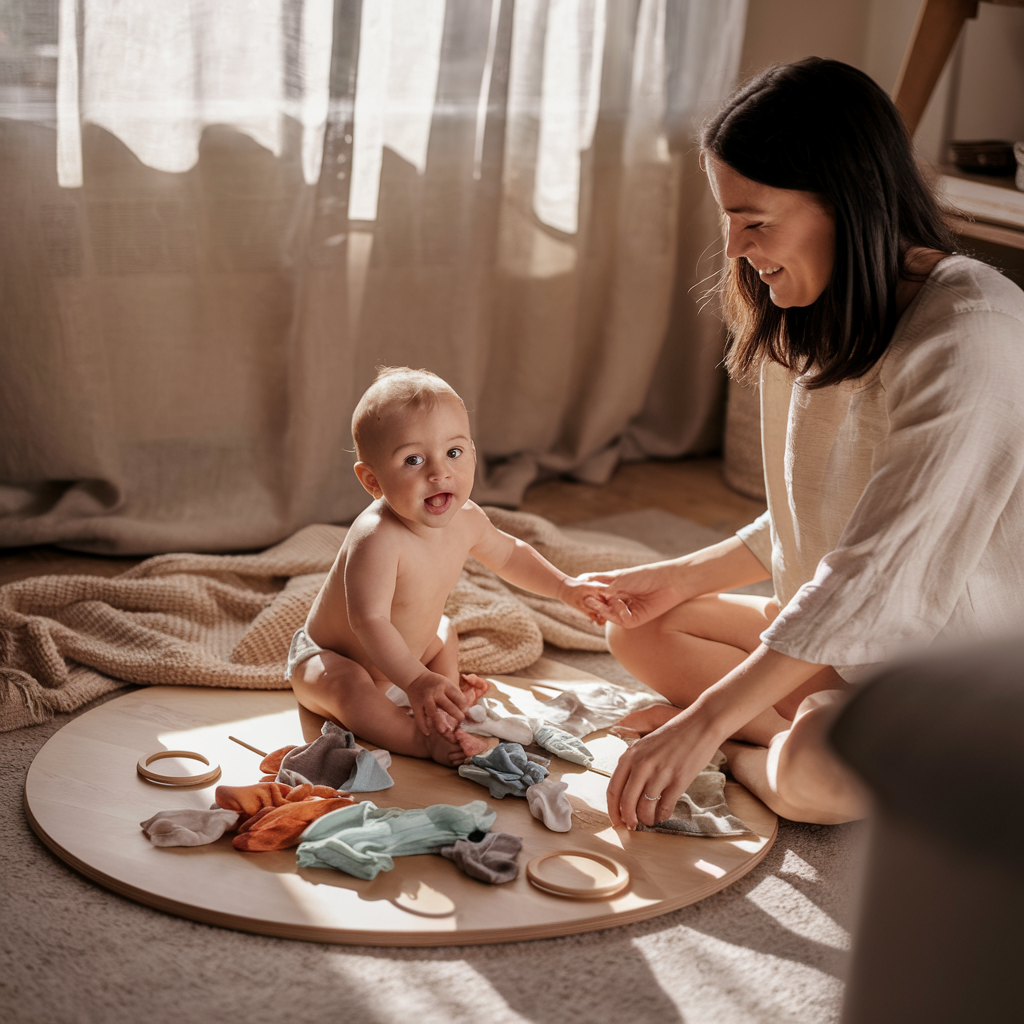
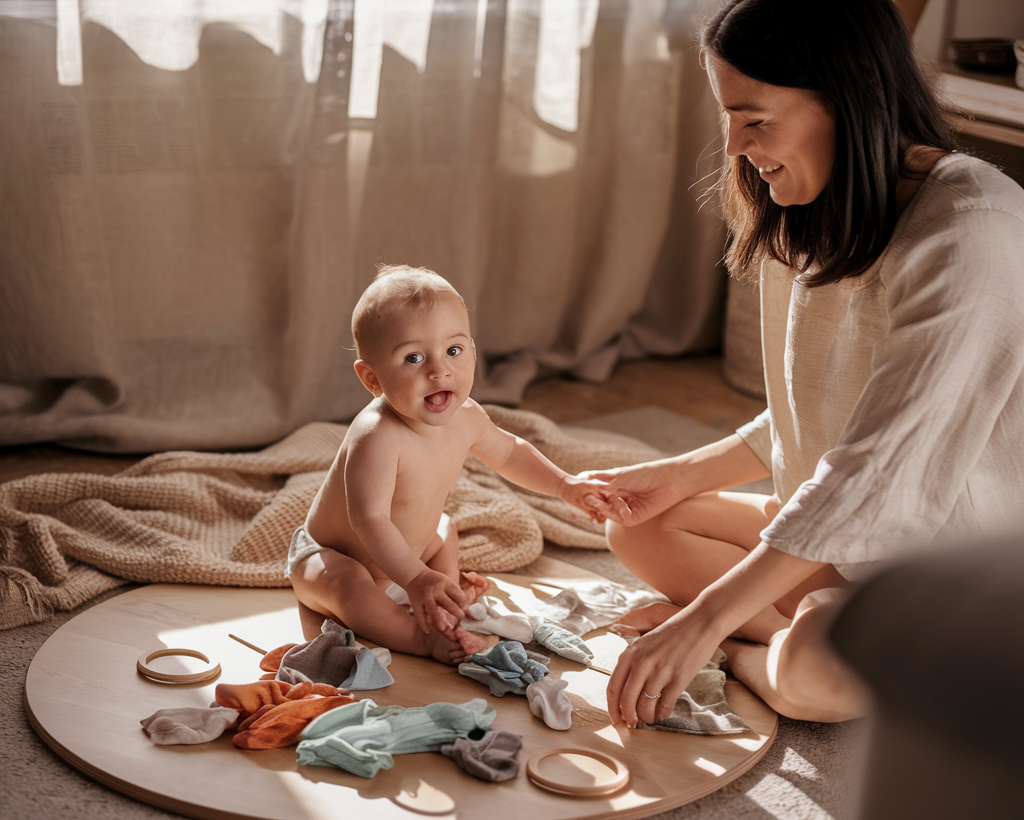
Quick answer: Sensory play — activities that stimulate one or more of the senses — is one of the most powerful developmental tools available to parents and caregivers.
Sensory play — activities that stimulate one or more of the senses — is one of the most powerful developmental tools available to parents and caregivers. It supports brain development, language acquisition, fine and gross motor skills, cognitive problem-solving, and emotional regulation, all through joyful, unstructured exploration.
Why Sensory Play Matters
The brain develops through experience — neural connections form and strengthen when babies explore their environment through multiple sensory channels simultaneously. Rich sensory environments in early childhood have documented effects on: neural density and synaptic connectivity, language and vocabulary development (through word-sensory experience pairing), fine motor skills (through manipulation of varied textures and objects), problem-solving ability, and emotional regulation (proprioceptive input from heavy, resistive play is calming). Sensory play doesn’t require expensive toys — it requires everyday materials used intentionally.
0–3 Months: Sensory Basics
- High-contrast black and white patterns held 8–12 inches from baby’s face
- Gentle face massage with clean hands, naming body parts
- Varied music — classical, folk, nursery rhymes
- Skin-to-skin on varied fabric textures (soft blanket, fluffy towel)
- Gentle rocking, swinging, bouncing on your knee
- Your voice — talking, singing, reading in varied intonation
3–6 Months: Reaching and Grasping
- Rattles and teethers with varied textures and sounds
- Sensory bags — zip-lock bags filled with hair gel, small toys, and glitter (sealed securely) for visual and tactile exploration
- Mirror play — babies are fascinated by their own reflection
- Fabric exploration — let baby grip and pull at different fabrics
- Water play — supported sitting at a shallow basin of water
- Baby-safe sensory bottles — sealed clear plastic bottles with coloured water and objects
6–9 Months: Mouthing and Manipulating
- Textured food exploration — smooth purées alongside mashed, lumpy textures
- Stacking cups and nested containers
- Soft play balls in varied textures (spiky, smooth, bumpy)
- Simple treasure baskets — a basket of household objects with varied textures (wooden spoon, metal cup, fabric square, small brush, rubber spatula)
- Sand and soil exploration in a contained space (outdoors, supervised)
- Musical instrument exploration — baby-safe drum, xylophone, shaker
9–12 Months: Cause and Effect
- Water pouring in the bath — cups of varied sizes
- Simple play dough (homemade, edible: flour, water, salt)
- Posting boxes — items through holes
- Textured walking surfaces — grass, smooth floor, carpet, gravel (supervised)
- Finger painting with food-safe paint or actual food (yogurt, purée)
- Crinkle and rip exploration — tissue paper, foil, newspaper (supervised)
Safety in sensory play
The most common sensory play safety concern is choking — any activity involving small objects, dried pulses, rice, or water beads requires direct supervision throughout. Water beads (orbeez and similar products) are a significant hazard: they are small when dry, expand to a choking size when wet, are radiolucent (invisible on X-ray), and multiple paediatric ingestion incidents have been reported. They are not appropriate for under-5s in any setting. Other important safety points: sensory bins with dried pasta, rice, or lentils should be used with direct supervision and stored out of reach; sensory bags (gel-filled zip-lock) must be checked that they’re fully sealed before each use; water play should never be left unsupervised for any duration.
Low-cost sensory activities by age
- 0–3 months: Black-and-white printed cards held 25cm from face; your singing voice at varied pitches; gentle face massage naming body parts; skin-to-skin contact on different fabric textures.
- 3–6 months: Crinkle toys; rattles with varied sounds; supervised exploration of textured fabrics (velvet, corduroy, muslin); ‘treasure basket’ with everyday objects of different weights and textures.
- 6–9 months: Supervised water play in a shallow tray; cooked pasta in different shapes; safe edible finger paints (blended fruit purée on a tray); large blocks of different materials.
- 9–12 months: Posting objects into containers; supervised sand play (supervised — babies will eat it); playdough (home-made from flour, salt, water — safer than commercial if taste-tested); nesting cups.
Frequently Asked Questions
Is mess unavoidable with sensory play?
Yes — and the mess is often the point. Resisting the mess limits the exploration. Set up sensory play in easy-to-clean spaces: in the bath, on a splash mat on the kitchen floor, outdoors, or in a high chair with a tray. Accept that full-body exploration (babies who put their face in the sensory bin) is normal and valuable. Bath after is the solution.
When is sensory play safe for babies who mouth everything?
Mouthing is developmentally appropriate and expected up to approximately 18–24 months. Design sensory play with this in mind: use edible or body-safe materials (food-grade play dough, edible finger paint, water), ensure all objects are larger than a toilet paper tube, and supervise at all times. Sensory bins with small items are appropriate only from 3+ years when mouthing has stopped.
My baby seems overwhelmed by sensory activities — what should I do?
Individual sensory thresholds vary enormously. Some babies seek intense sensory input; others are easily overwhelmed. Signs of sensory overwhelm: turning away, arching back, crying, shutting eyes. If this happens consistently with certain types of input, reduce the intensity or duration of that stimulus. Consult your pediatrician or an occupational therapist if sensory sensitivity is significantly limiting your baby’s engagement or daily functioning.
Related Reading
- Baby milestones: complete guide from birth to 12 months
- 1 month old baby: milestones, sleep & feeding guide
- Best baby activity gyms and play mats 2025
Found this helpful? Sign up to the LylyMama newsletter for evidence-based baby development guides delivered to your inbox every week.