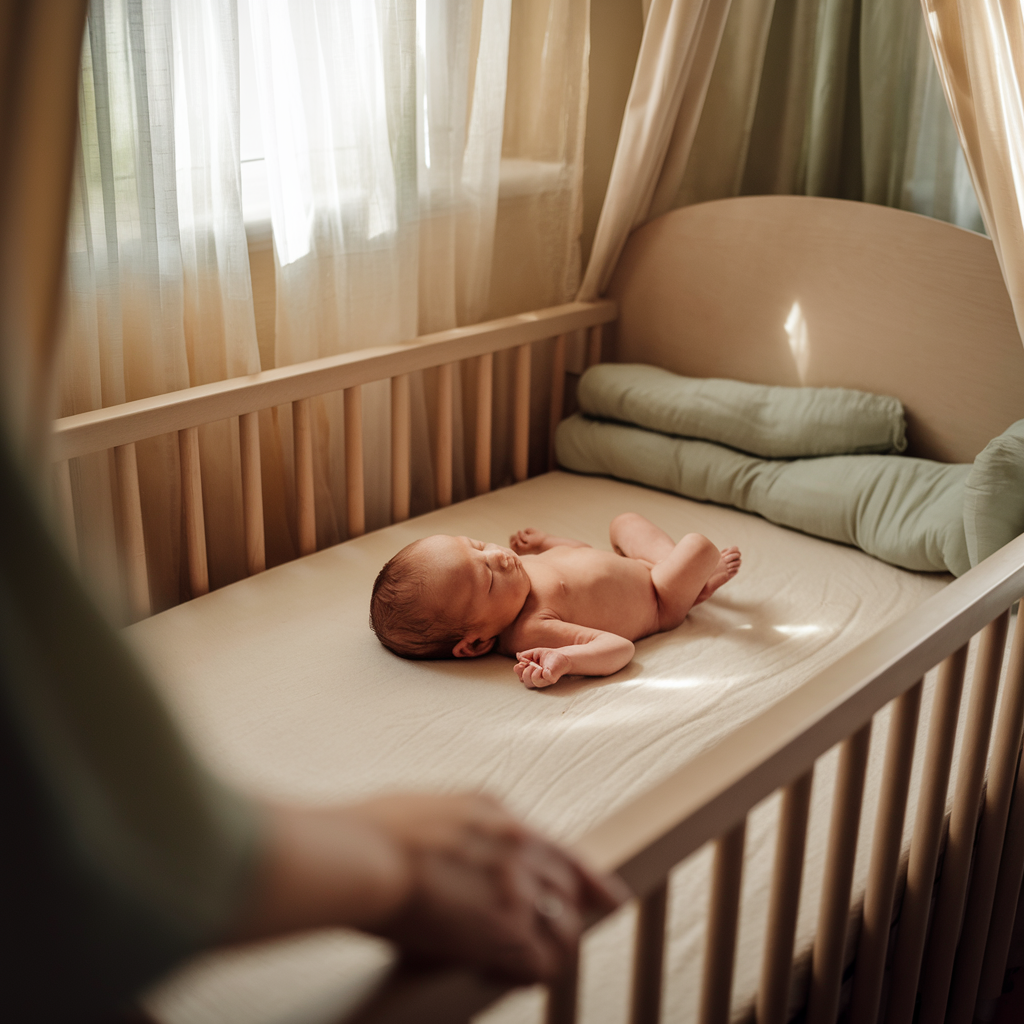
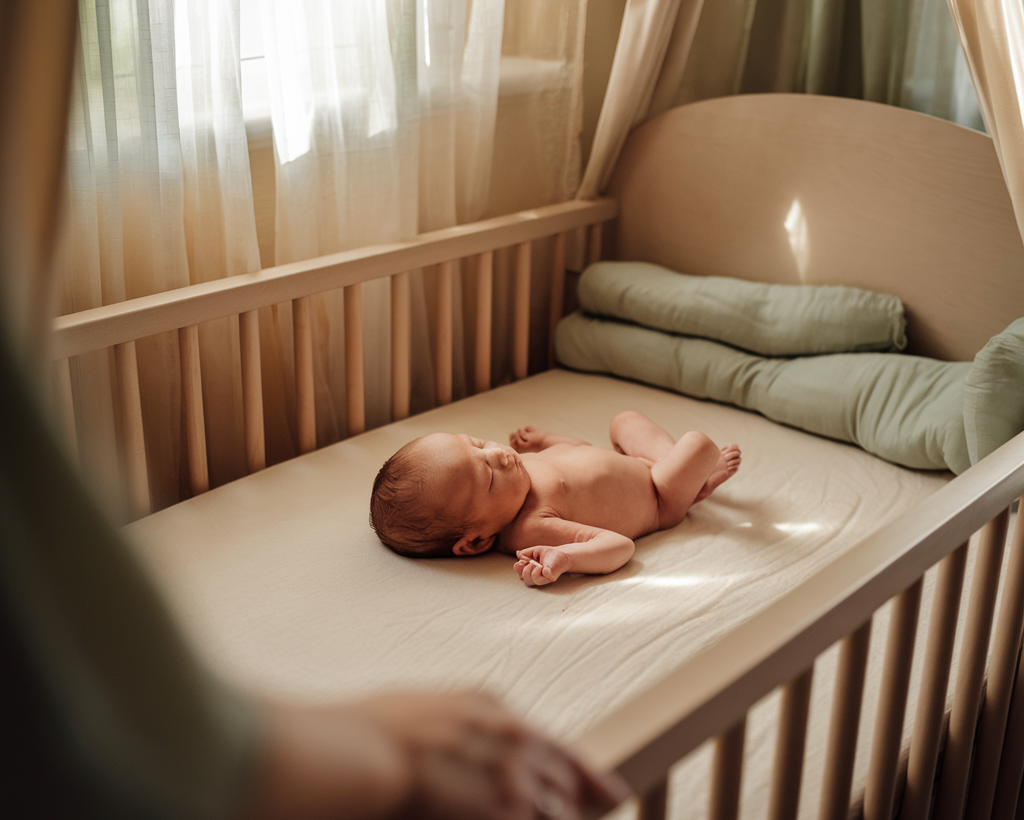
Quick answer: Safe sleep guidelines are some of the most evidence-backed and consistently effective public health interventions in pediatric medicine.
Safe sleep guidelines are some of the most evidence-backed and consistently effective public health interventions in pediatric medicine. Following them reduces SIDS (Sudden Infant Death Syndrome) and sleep-related infant death risk significantly. Here’s the complete, current guidance.
The ABCs of Safe Sleep
The American Academy of Pediatrics (AAP) 2022 safe sleep guidelines center on the ABCs: Alone: Baby sleeps alone in their own sleep space — no other people, pets, or soft objects. Room-sharing (baby’s sleep surface in your room) is recommended for at least 6 months and ideally 1 year. Room-sharing without bed-sharing is associated with a 50% reduction in SIDS risk. Back: Always on their back for every sleep — naps included. Back sleeping reduced SIDS rates by 50% when it became standard guidance in the early 1990s. The risk of choking on their back is not higher — the gag reflex protects the airway. Crib: Firm, flat, bare sleep surface in an approved sleep environment.
The Safe Sleep Environment
The sleep surface must be: Firm and flat — no soft mattresses, memory foam, or inclined surfaces. An inclined angle of more than 10 degrees is not safe for sleep (positional asphyxia risk). Bare — no loose blankets, pillows, bumpers, positioning wedges, or soft toys. A properly fitted sheet on an approved mattress is all that’s needed. Approved — meet current safety standards (ASTM/CPSC in the US, BS EN in the UK). Cribs, bassinets, play yards with firm mattresses, and Moses baskets are all acceptable. Inclined sleepers, car seats, swings, and bouncy chairs are not approved sleep surfaces and have been associated with infant deaths.
What About Swaddling?
Swaddling is safe and beneficial when done correctly and stopped at the right time. Safe swaddling: use a thin, breathable fabric, ensure the swaddle is snug at the arms but loose around the hips (hip dysplasia risk from tight leg wrapping), don’t swaddle too tightly around the chest (should fit two fingers under the wrap), always place a swaddled baby on their back. Stop swaddling immediately when baby shows any signs of attempting to roll — typically around 8–12 weeks. A rolling baby who is swaddled cannot reposition if they end up face-down, which is a serious suffocation risk. Transition to a sleep sack at this point.
Temperature and Environment
Room temperature: 68–72°F / 20–22°C is the recommended range. Overheating is an independent SIDS risk factor. Signs of overheating: sweating, damp hair, flushed cheeks, rapid breathing, or feeling hot to touch at the back of the neck. Dress baby in one more layer than you’re comfortable in — a sleep sack (wearable blanket) is a safe alternative to loose blankets for warmth. Keep the room smoke-free — second- and third-hand smoke exposure is an independent SIDS risk factor. White noise machines should be placed at least 6 feet from baby’s sleep surface and kept at a safe volume (under 65 decibels, which is roughly a conversational voice level).
Bed-Sharing: The Evidence
The AAP advises against bed-sharing in all circumstances. Evidence from epidemiological studies consistently shows bed-sharing is associated with elevated SIDS and suffocation risk, particularly for: babies under 4 months, parents who smoke (even outside the home — third-hand smoke matters), parents who have consumed alcohol or sedating medications, and very soft mattresses. However, the AAP also acknowledges that many parents do bed-share and provides harm-reduction guidance: if you bed-share, never do so after alcohol, never on a sofa or armchair (dramatically higher risk than a bed), ensure the mattress is firm, remove pillows and duvets from baby’s area, and never with a sleeping partner who is unaware the baby is present.
Frequently Asked Questions
My baby only sleeps on their stomach — is that okay?
No — stomach sleeping significantly increases SIDS risk and should be avoided for all sleep until baby can independently roll both ways (typically 4–6 months). Some babies strongly resist back sleeping. Strategies: ensure the sleep surface is firm (babies sleep more lightly on firm surfaces and are less deeply asleep — this is protective), use a swaddle, use white noise, and persist. If your baby rolls onto their stomach independently during sleep, you don’t need to reposition them — this rolling capability itself means the risk is reduced.
Is it safe to use a second-hand crib?
With caution. Older cribs (pre-2011 in the US) may not meet current safety standards (drop-side cribs were banned in 2011). Check that the crib meets current CPSC/ASTM standards, that it has no recalls, that the slats are no more than 2.375 inches (6cm) apart, and that the mattress is firm and fits snugly with no gaps. Never use a recalled product regardless of its condition.
Can my baby sleep in a bouncy chair or swing?
No — these are not approved sleep surfaces. The inclined position can cause a newborn’s head to fall forward, compromising their airway. If baby falls asleep in a swing or bouncer, transfer them to a flat sleep surface as soon as safely possible. This applies even if it means waking them.
Related Reading
- Newborn sleep: how much is normal and why they wake so much
- Best baby monitors: video, audio and smart compared
- Nursery essentials checklist: what you actually need vs nice-to-haves
Found this helpful? Sign up to the LylyMama newsletter for more honest, evidence-based parenting guides delivered to your inbox every week.