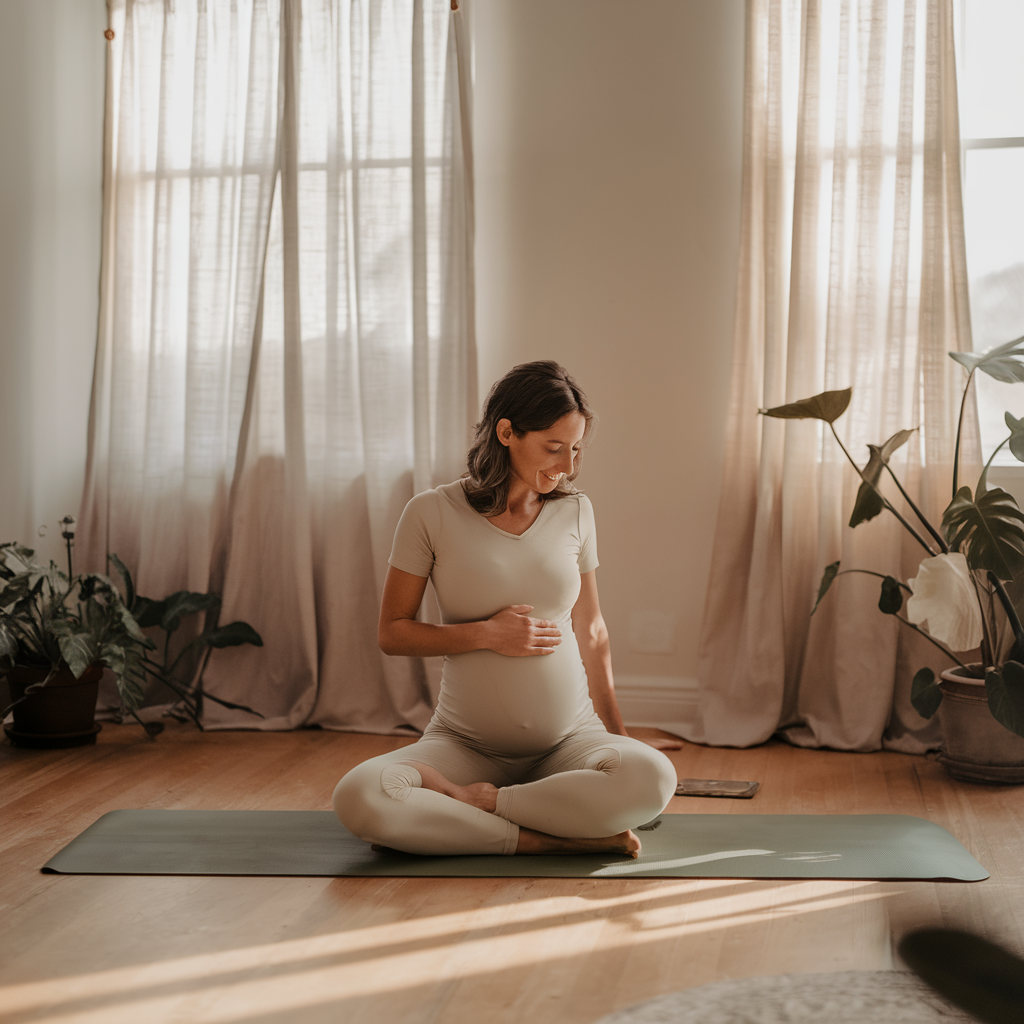
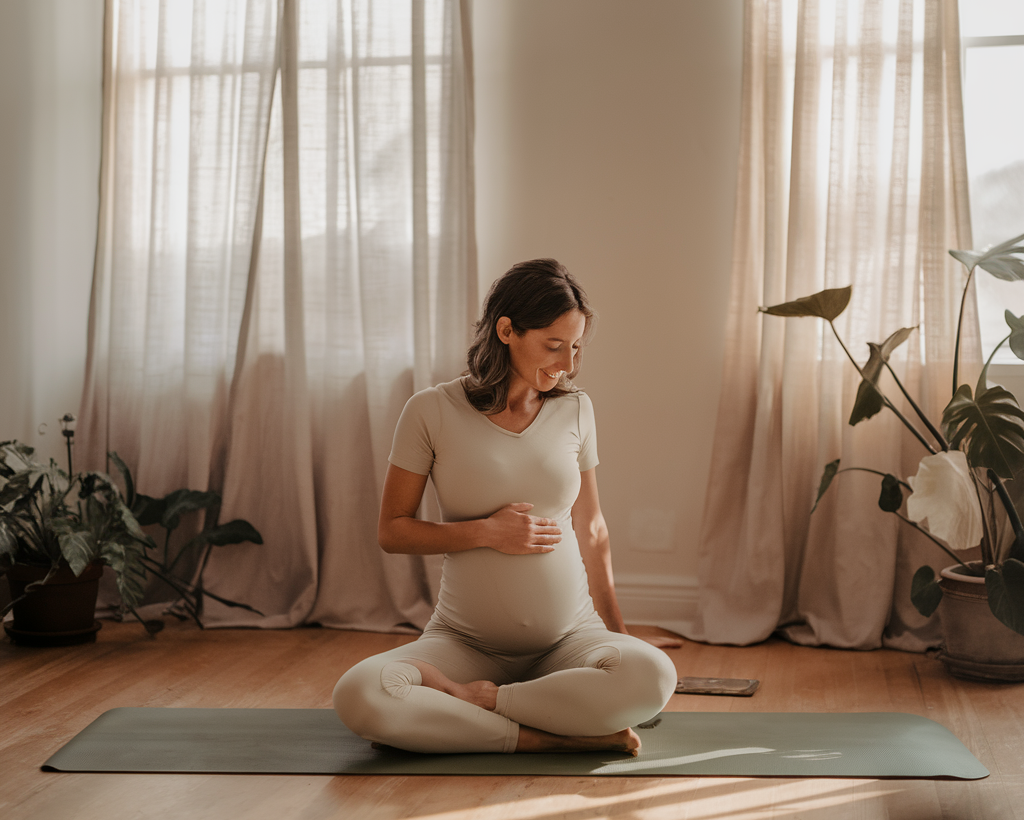
Quick answer: Prenatal yoga is one of the most consistently evidence-supported practices in pregnancy — not because it’s fashionable, but because the research behind its benefits is genuinely strong.
Prenatal yoga is one of the most consistently evidence-supported practices in pregnancy — not because it’s fashionable, but because the research behind its benefits is genuinely strong. From reducing back pain to improving labour outcomes, here’s what the evidence shows and how to practice safely at every stage.
The Evidence Behind Prenatal Yoga
A 2012 systematic review found yoga in pregnancy associated with: reduced perceived pain in labour, lower rates of preterm birth in high-risk women, significantly improved mental health outcomes (reduced anxiety and depression), lower cortisol levels, and reduced blood pressure. A 2014 RCT found women who practiced yoga during pregnancy reported higher birth satisfaction scores and lower pain medication use. The proposed mechanisms: pranayama (controlled breathing) activates the parasympathetic nervous system, reducing cortisol; physical movement maintains strength and flexibility; group classes provide social connection; mindfulness practices reduce birth-related anxiety.
First Trimester: Safe Foundational Poses
The first trimester requires modifications due to fatigue and nausea. Safe foundational poses: Cat-cow (Marjaryasana-Bitilasana): Alternating spine arch and round on hands and knees — excellent for back pain and nausea relief. Child’s pose (Balasana): Wide-knee variation accommodating the bump; deeply relaxing. Butterfly (Baddha Konasana): Seated with soles together, back straight — opens the hips, easy to maintain. Mountain pose (Tadasana): Foundation standing posture; improves posture awareness. Gentle seated forward fold: With bent knees and lengthened spine rather than abdominal compression. Avoid in the first trimester: deep twists compressing the abdomen, hot yoga (core temperature elevation above 102.2°F / 39°C is associated with neural tube defects), and inversions unless you have an established practice.
Second Trimester: Expanding Practice
The second trimester is typically the most enjoyable for prenatal yoga — energy is good, nausea resolved, and movement range is widest. Add: Warrior I and II: Wide stance provides stability; builds leg and hip strength valuable for labour. Triangle pose (Trikonasana): Opens hips and side body; use a block for support. Reclined butterfly: Supported on a bolster for deep hip opening. Legs up the wall (Viparita Karani): Gentle circulation aid; helps with swelling. Begin replacing supine savasana with left-side-lying after week 20.
Third Trimester: Birth Preparation Focus
Third-trimester yoga shifts toward birth preparation: Squatting (Malasana): Opens the pelvis and strengthens the legs. One of the most effective birth-preparation postures — squatting increases the pelvic outlet by up to 28%. Practice regularly. Cat-cow with pelvic rocking: Relieves back pain and encourages optimal baby positioning. Hip circles on a birth ball: Relaxes the pelvis, promotes baby’s movement into OA position. Pranayama: Ujjayi breath, 4-7-8 breathing, and exhalation-focused breathing are directly applicable to labour management. Yoga nidra: Guided relaxation for rest and stress management.
What to Avoid Throughout Pregnancy
- Hot yoga — core temperature above 102.2°F / 39°C at any stage
- Deep backbends (full wheel/Urdhva Dhanurasana) — excessive abdominal stretch
- Strong abdominal contractions — boat pose, crunches, extended full plank
- Deep twists compressing the front body — all twists should be open (rotating away from back leg)
- Inversions unless you have an established, experienced practice with qualified guidance
- Lying flat on your back for more than 2–3 minutes after week 20
- Balance-dependent one-leg poses without wall or chair support
Frequently Asked Questions
Do I need prior yoga experience to start antenatal classes?
No — prenatal yoga classes are designed for all levels, including complete beginners. The physical demands are gentle and well-structured for pregnancy. Starting with no prior experience is arguably easier than adapting a strong existing practice, as there are no habits to unlearn. Look specifically for ‘prenatal yoga’ classes rather than general classes.
How often should I practice prenatal yoga?
Even once weekly shows benefits in research. Two to three sessions weekly (combining class attendance with home practice) maximizes benefits for pain, mental health, and birth preparation. A 20-minute mindful home practice is more beneficial than a rushed 60-minute class — quality over quantity. Rest on days when fatigue is significant.
Can prenatal yoga help turn a breech baby?
Certain positions — particularly hands-and-knees, open-knee chest position, and supported inversions — are associated in anecdotal and case study evidence with encouraging fetal rotation. These positions carry no risk and are worth trying from week 34 if baby is breech. They should complement, not replace, medical discussion about ECV (external cephalic version) if baby remains breech at 36 weeks.
Disclosure: This post contains affiliate links. We may earn a small commission at no extra cost to you. We only recommend products we genuinely trust.
Related Reading
Found this helpful? Sign up to the LylyMama newsletter for evidence-based guides, honest essays and practical advice delivered to your inbox every week.