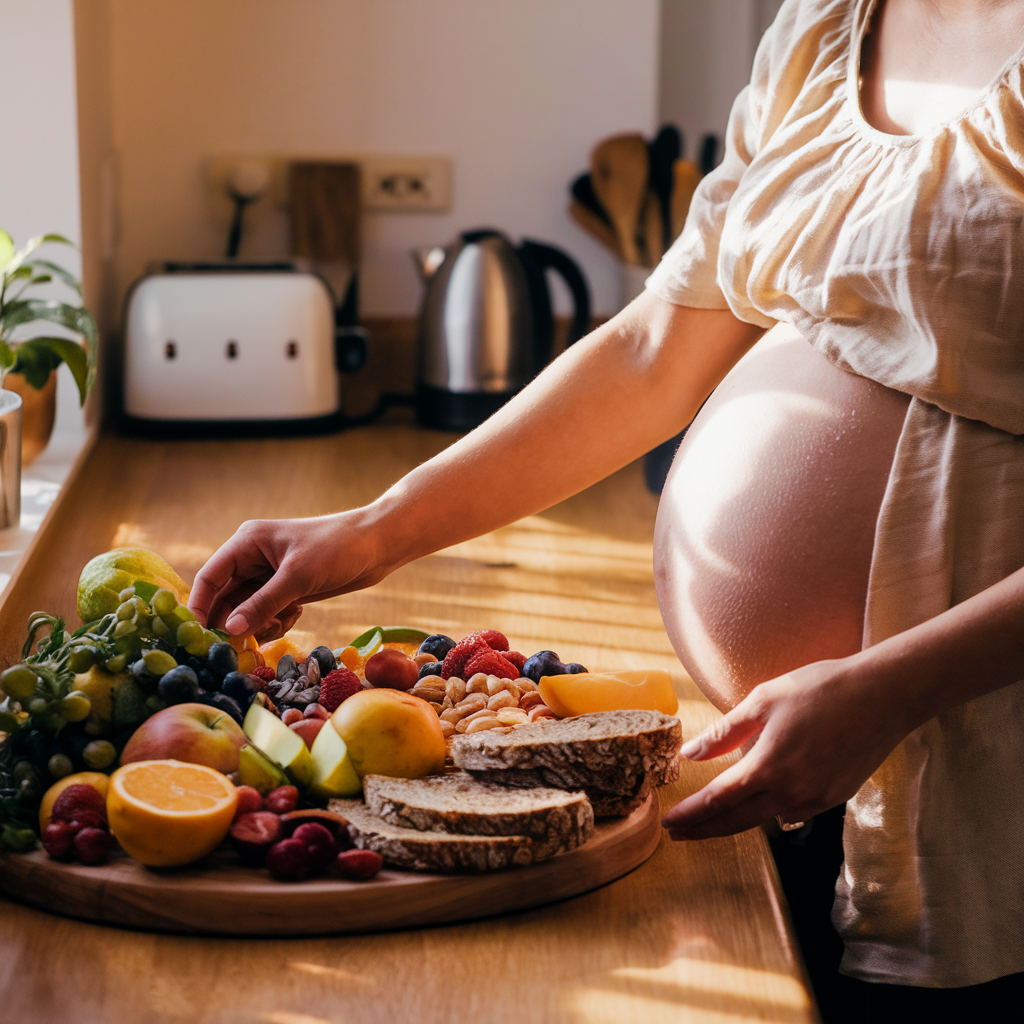
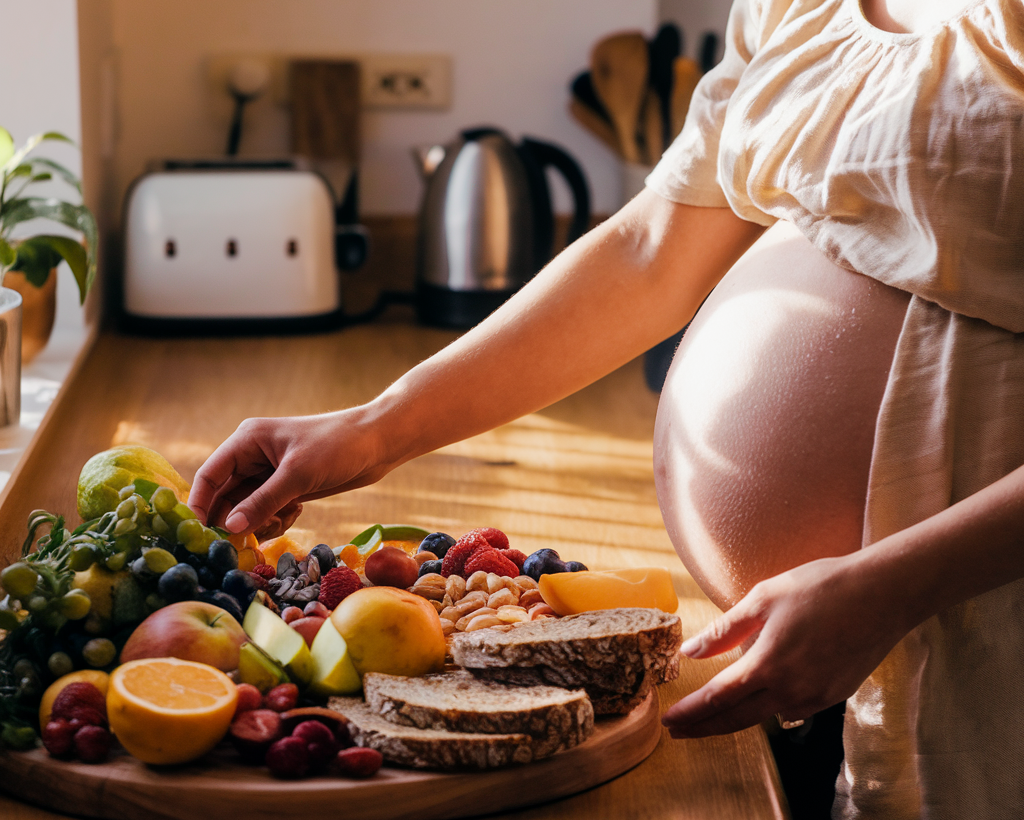
Quick answer: What you eat during pregnancy influences your baby’s development, your own energy levels, your risk of complications, and even your child’s long-term metabolic health.
What you eat during pregnancy influences your baby’s development, your own energy levels, your risk of complications, and even your child’s long-term metabolic health. The reassuring truth: you don’t need a perfect diet. You need a mostly balanced one, with a handful of specific nutrients dialed in and a clear understanding of what to avoid.
Key Nutrients by Trimester
First trimester: Folic acid is the absolute non-negotiable — 400–800mcg daily prevents neural tube defects (spina bifida, anencephaly), and the neural tube closes by week 6, often before many women even know they’re pregnant. If you carry the MTHFR gene variant, choose methylfolate rather than synthetic folic acid. Iron supports the rapid blood volume increase. DHA (omega-3) supports early brain development. Vitamin D is chronically underestimated — most antenatal vitamins contain 400 IU but research supports 1000–2000 IU for most pregnant women. Second trimester: Calcium becomes critical as bone calcification accelerates (1000mg daily). Iron needs increase as fetal iron stores build. Protein rises to 70–80g daily. Third trimester: DHA is essential during the brain growth surge. Choline (in eggs, meat, legumes) supports neural development and is severely underrepresented in most antenatal vitamins — aim for 450mg daily. Magnesium helps with leg cramps, sleep, and blood pressure.
Foods to Avoid: Listeria, Mercury, and More
The avoid list is shorter than most people expect: Listeria risk: Unpasteurized soft cheeses (brie, camembert, queso fresco — unless labeled pasteurized), deli meats and hot dogs unless heated steaming hot, refrigerated smoked seafood, raw sprouts, and unpasteurized juices. Listeria is rare but can cross the placenta and cause miscarriage, stillbirth, or severe newborn illness. Mercury: Avoid entirely — shark, swordfish, king mackerel, tilefish, bigeye tuna, orange roughy. Limit albacore tuna to 6oz per week. Low-mercury seafood (salmon, shrimp, cod, sardines, canned light tuna) is actively encouraged — 2–3 servings weekly. Other avoids: Raw or undercooked meat, poultry, and eggs; raw sushi (cooked sushi is fine); caffeine over 200mg daily; any alcohol.
Safe Fish Guide
Seafood is one of the best foods you can eat during pregnancy — rich in protein, DHA, zinc, and iodine. Fear of mercury has led many pregnant women to cut out fish entirely, missing significant nutritional benefits. Best choices (2–3 servings weekly): Salmon (highest DHA), sardines, anchovies, herring, trout, tilapia, catfish, shrimp, scallops, canned light tuna. Limit to 1 serving weekly: Albacore tuna, halibut, mahi-mahi, grouper, bass. Avoid entirely: Shark, swordfish, king mackerel, tilefish, bigeye/ahi tuna.
Vegetarian and Vegan Pregnancy
Vegetarian and vegan pregnancies can be nutritionally complete with deliberate planning. Key nutrients requiring attention: B12 — found almost exclusively in animal products; supplement at minimum 2.6mcg daily. Iron — non-heme plant iron is less bioavailable; pair with vitamin C and consider separate supplementation if ferritin is low. DHA — algae-based omega-3 supplements are directly equivalent to fish oil (fish get their DHA from algae). Iodine — often missed in vegan diets; ensure your antenatal contains 150–220mcg. Zinc — lower absorption from plant sources; a good antenatal covers this. Calcium — fortified plant milks, tofu (calcium-set), and leafy greens provide adequate calcium.
Sample Meal Plan
Breakfast: 2 eggs + spinach on whole grain toast + orange juice (iron + folate + vitamin C combination). Mid-morning: Greek yogurt + berries + walnuts (calcium + DHA + antioxidants). Lunch: Salmon salad with avocado and leafy greens (DHA + folate + healthy fats). Afternoon: Apple + almond butter (fiber + protein + magnesium). Dinner: Lentil curry with brown rice (iron + folate + fiber) or chicken stir-fry with vegetables over quinoa. Evening: Warm milk or fortified plant milk + banana (calcium + magnesium — helps with leg cramps). This isn’t a prescription — it’s a framework showing how straightforward eating well during pregnancy can be.
Frequently Asked Questions
Do I really need to eat for two?
No — this myth has contributed to excessive pregnancy weight gain that increases complication risk. Additional calorie needs are minimal: approximately 0 extra in the first trimester, 300–350 extra in the second, and 400–500 in the third. That’s roughly one extra small snack per day — not a second meal. Food quality matters far more than quantity.
Is sushi safe during pregnancy?
Cooked sushi and rolls with cooked ingredients are completely safe. Raw sushi carries risk of parasites and listeria that can seriously harm a pregnancy. California rolls (imitation crab), shrimp tempura, and cooked salmon rolls are all fine. Occasional raw sushi exposure isn’t catastrophic, but regular consumption isn’t recommended.
How much weight should I gain during pregnancy?
Recommendations depend on pre-pregnancy BMI: Underweight (BMI <18.5): 28–40 lbs. Normal weight (18.5–24.9): 25–35 lbs. Overweight (25–29.9): 15–25 lbs. Obese (≥30): 11–20 lbs. Steady, gradual gain matters more than hitting exact numbers — discuss your individual target with your provider.
Disclosure: This post contains affiliate links. We may earn a small commission at no extra cost to you. We only recommend products we genuinely trust.
Related Reading
- 8 weeks pregnant: first antenatal appointment – what to expect
- 30 one-handed meals for new mums (ready in under 20 minutes)
Found this helpful? Sign up to the LylyMama newsletter for evidence-based guides, honest essays and practical advice delivered to your inbox every week.