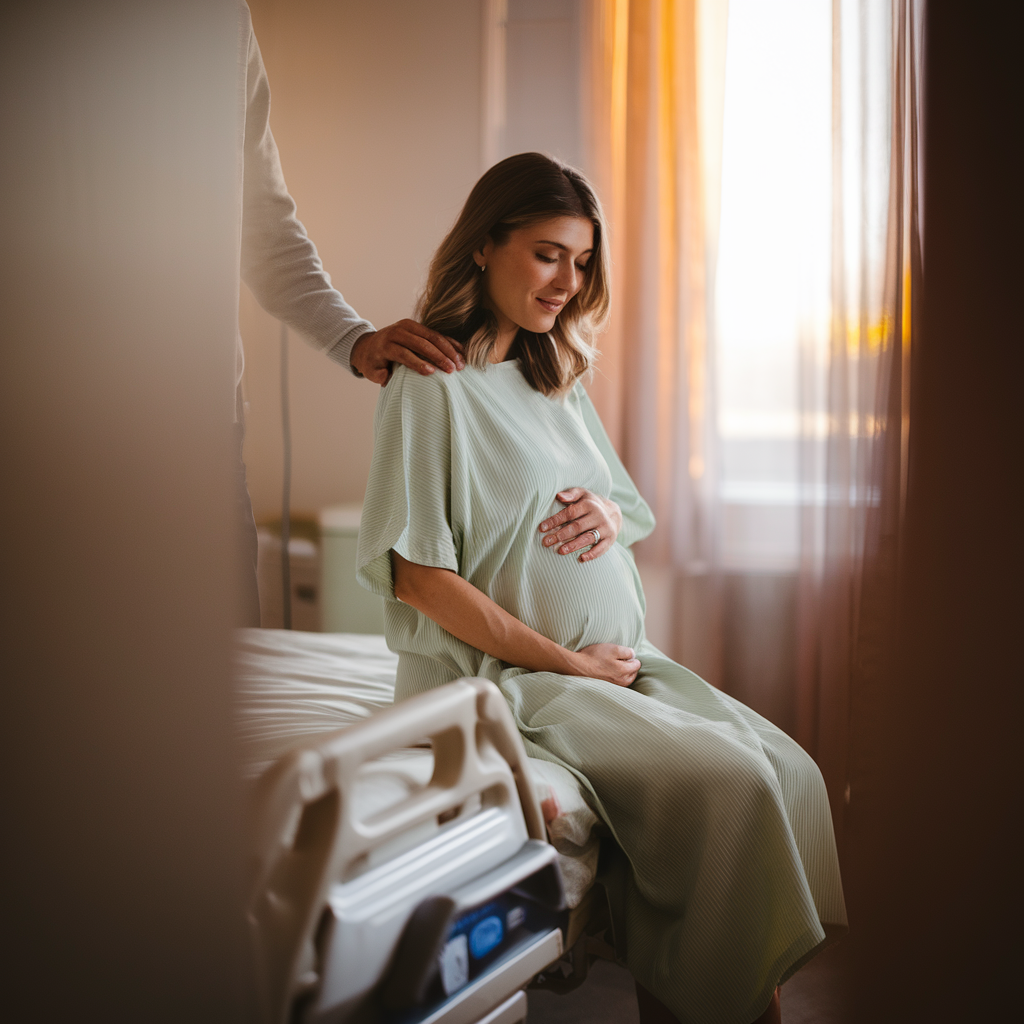
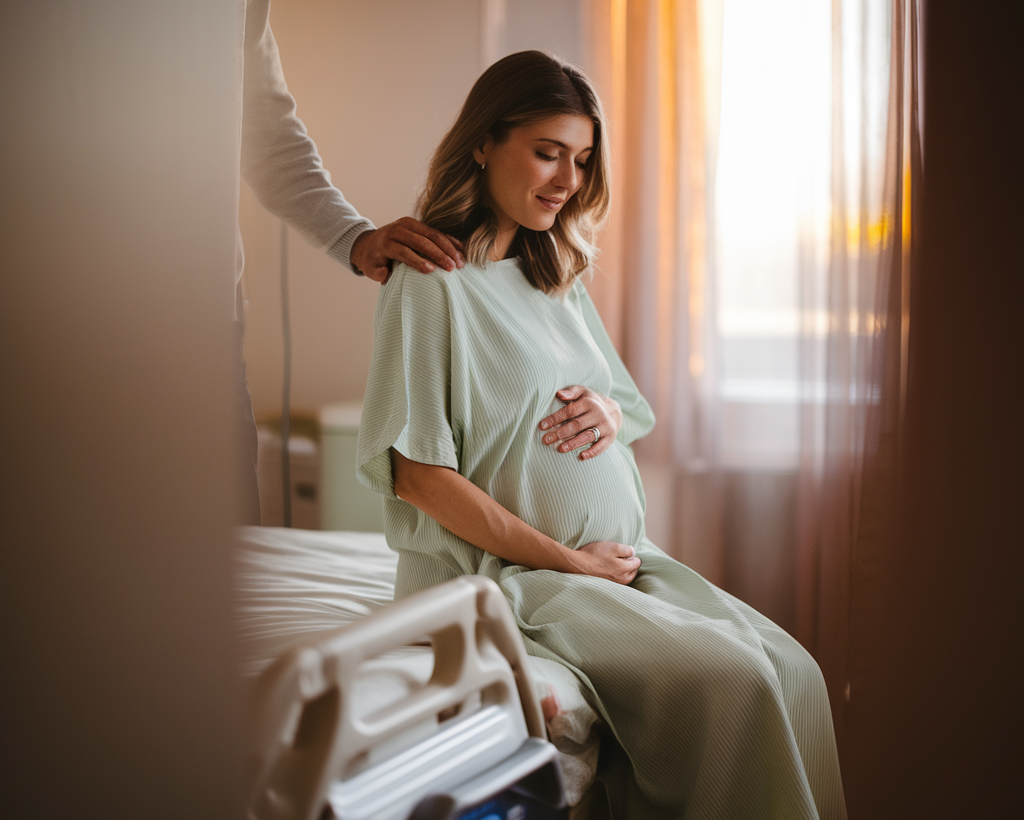
Quick answer: Whether planned weeks in advance or happening in an unexpected rush, a cesarean section is a major abdominal surgery — and one of the most common surgical procedures performed worldwide.
Whether planned weeks in advance or happening in an unexpected rush, a cesarean section is a major abdominal surgery — and one of the most common surgical procedures performed worldwide. Knowing what happens at each step removes the unknown and helps you feel prepared, whatever your birth plan says.
Planned vs. Emergency C-Section
Planned cesarean is scheduled in advance for breech presentation, placenta previa, previous uterine rupture, certain maternal conditions, or personal choice after informed counseling. Usually performed at 39 weeks. The procedure is calm and methodical, allowing for music preferences, photography, and full preparation. Emergency cesarean is performed urgently when risks require immediate delivery. Categories range from urgent (within 30–75 minutes) to ‘crash’ category 1 (within 30 minutes in true emergencies). Common reasons: fetal heart rate abnormalities, cord prolapse, placental abruption, or failure to progress. The procedure is essentially the same — the preparation is faster.
The Operating Room: What to Expect
The OR is bright, cool, and busy. You’ll be transferred to the operating table, anesthesia administered (spinal block for planned sections, or epidural top-up if already in labour), a urinary catheter placed, your abdomen cleaned with antiseptic, and a screen erected at chest height. Your birth partner typically sits near your head. Some hospitals offer a ‘gentle cesarean’ or clear screen for those who want to see the delivery.
The Procedure Step-by-Step
A cesarean takes 10–15 minutes from incision to baby, then 30–45 minutes for closure. 1. Skin incision: Horizontal (Pfannenstiel) cut just above the pubic hairline, 4–6 inches. 2. Fascia: Connective tissue cut; abdominal muscles separated (not cut) and retracted. 3. Peritoneum: Membrane over abdominal organs opened. 4. Uterine incision: Horizontal cut in the lower uterine segment. 5. Delivery: Baby guided out — you’ll feel pressure and pulling, no pain. Baby is lifted out, cord cut, initial assessment done. 6. Placenta delivery. 7. Uterine closure in one or two layers. 8. Skin closure. Total time in OR: 45–60 minutes.
The Recovery Room
After surgery you’ll be monitored in recovery for 1–2 hours while sensation returns. The catheter stays in 12–24 hours. Skin-to-skin contact often happens in the OR or recovery room. IV access is maintained for medications. Pain management typically involves around-the-clock scheduled NSAIDs (ibuprofen or ketorolac) plus acetaminophen, with opioids for breakthrough pain. Good pain control is essential — undertreated post-cesarean pain impairs mobility and increases clot risk.
The Gentle Cesarean Option
Many hospitals now offer ‘gentle,’ ‘natural,’ or ‘family-centered’ cesarean protocols: lowered or clear screen so you can see the baby emerge, music of your choice, partner announcing the sex, immediate skin-to-skin in the OR, delayed cord clamping, and immediate breastfeeding attempt. Ask your hospital in advance — many require pre-planning to accommodate these preferences.
Frequently Asked Questions
Will I feel pain during a C-section?
You should feel no pain — spinal and epidural anesthesia reliably block pain sensation. You will feel pressure, pulling, and a rummaging sensation — described by many as someone doing laundry in your abdomen. This is normal and expected. If you feel sharp pain, tell the anesthesiologist immediately.
Can I have a vaginal birth after a C-section (VBAC)?
Yes — VBAC is possible for many women and carries significant benefits: faster recovery, lower infection risk, preservation of future fertility options. Overall VBAC success rate is approximately 60–80% when appropriately selected. Key factors: reason for previous C-section, uterine incision type, and hospital emergency capability. VBAC carries a small uterine rupture risk (~0.5–0.9%). Discuss your individual candidacy with your provider.
How long does C-section recovery take?
Hospital stay: 2–4 days. At home: avoid driving 4–6 weeks, avoid lifting over your baby’s weight for 6 weeks, avoid strenuous exercise 6–8 weeks. Walking is encouraged from day 1. Most women feel significantly better by 6 weeks. Full uterine scar healing takes approximately 6 months. Scar massage from week 6 onward improves mobility and reduces adhesions.
Related Reading
- C-section recovery: what the first 6 weeks really look like
- VBAC: vaginal birth after caesarean – everything to know
Found this helpful? Sign up to the LylyMama newsletter for evidence-based guides, honest essays and practical advice delivered to your inbox every week.