
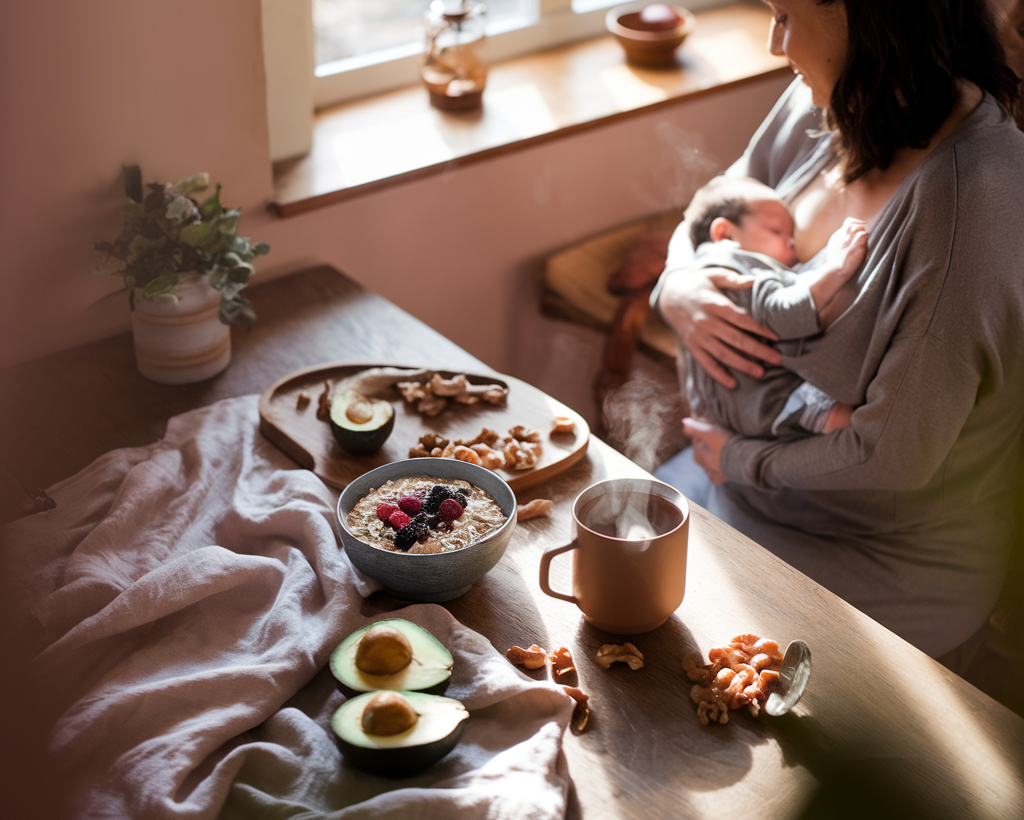
What you eat in the weeks and months after birth significantly affects your physical recovery, mental health, milk supply if breastfeeding, and energy levels. Postpartum nutrition is often neglected entirely — here’s what your body actually needs.
What Your Body Has Been Through
Birth, regardless of method, involves: significant blood loss (average 500ml in vaginal birth, 1000ml in caesarean), depletion of iron, zinc, and B vitamins, substantial muscle and connective tissue work and repair, hormonal collapse (oestrogen and progesterone drop precipitously after delivery), and the immediate demands of milk production if breastfeeding. Add sleep deprivation and the metabolic demands of caring for a newborn, and your body’s nutritional needs are arguably at their highest.
Priority Nutrients for Recovery
Iron: Blood loss at birth depletes iron stores significantly. Signs of deficiency: exhaustion beyond what sleep deprivation explains, pallor, shortness of breath, cold hands and feet. Iron-rich foods: red meat (most bioavailable), dark poultry, sardines, lentils, chickpeas, dark leafy greens (pair with vitamin C). Request a blood test at your 6-week postnatal check if you had significant blood loss. Protein: Required for tissue repair (perineal healing, caesarean wound healing), milk production, and immune function. Aim for at least 70–80g daily. Eggs, meat, fish, dairy, legumes. Zinc: Supports wound healing and immune function. Depleted during pregnancy and breastfeeding. Meat, seafood (especially oysters), pumpkin seeds, lentils. Omega-3 DHA: Supports mood regulation and reduces postpartum depression risk. Oily fish 2–3 times weekly, algae-based supplement. Vitamin D: Continue supplementing — deficiency is associated with increased postpartum depression risk.
Foods That Support Healing
- Bone broth (homemade or quality store-bought): collagen, glycine, minerals — supports tissue healing and gut health
- Oily fish (salmon, sardines, mackerel): DHA, protein, vitamin D
- Eggs: complete protein, choline, iron, B12, vitamin D
- Leafy greens: iron, folate, vitamin C, calcium
- Legumes: iron, protein, fibre (important for post-birth bowel function)
- Full-fat dairy or fortified alternatives: calcium, protein, vitamin D
- Nuts and seeds: zinc, magnesium, healthy fats, sustained energy
The Postpartum Bowl Formula
A practical framework for quick, nutritious postpartum meals: start with a base (rice, quinoa, or other grain), add a protein (leftover chicken, tinned fish, egg, beans), add a vegetable (anything you have), add a healthy fat (avocado, olive oil, nuts), and add a flavour boost (lemon, tamari, herbs, tahini). This combination covers most nutritional bases in one bowl with minimal preparation.
What Not to Do
Don’t calorie restrict in the first 3 months postpartum — your body is healing and (if breastfeeding) producing milk. Weight loss will happen naturally if you’re eating well and gradually increasing activity. Don’t follow extreme elimination diets without evidence of a specific sensitivity. Don’t rely on convenience food and takeaways entirely — the nutritional quality of ultra-processed food is inadequate for postpartum recovery needs.
Frequently Asked Questions
Should I take a postnatal supplement?
Many women benefit from continuing a prenatal or postnatal supplement for at least the first 3–6 months postpartum — particularly if breastfeeding. Look for: iron (if levels were low), vitamin D (1000–2000 IU), iodine, omega-3 DHA, and B12 (if vegan). Don’t use the same prenatal indefinitely if it contains high doses of nutrients no longer needed at pre-pregnancy levels.
I had a caesarean — are my nutritional needs different?
Caesarean recovery involves surgical wound healing, which requires additional protein and vitamin C (for collagen synthesis), zinc (for immune function and tissue repair), and vitamin A. The blood loss from caesarean is typically greater than vaginal birth, increasing iron depletion. Consider a higher-dose iron supplement if you feel significantly fatigued beyond what sleep deprivation explains.
Disclosure: This post contains affiliate links. We may earn a small commission at no extra cost to you. We only recommend products we genuinely use.
Related Reading
- Postpartum recovery: week-by-week what to expect
- Freezer meals before baby arrives: 15 make-ahead recipes
Found this helpful? Sign up to the LylyMama newsletter for more recipes, weaning guides, and honest parenting content every week.