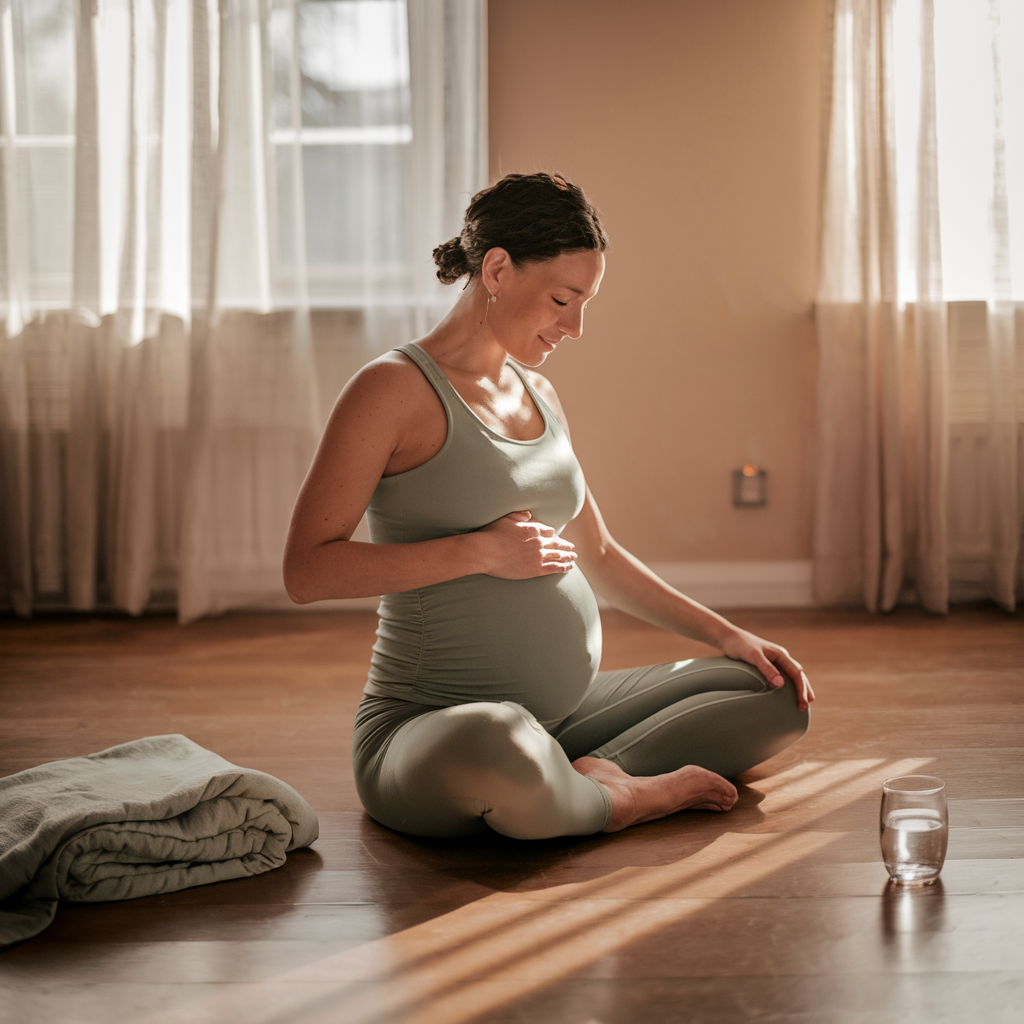
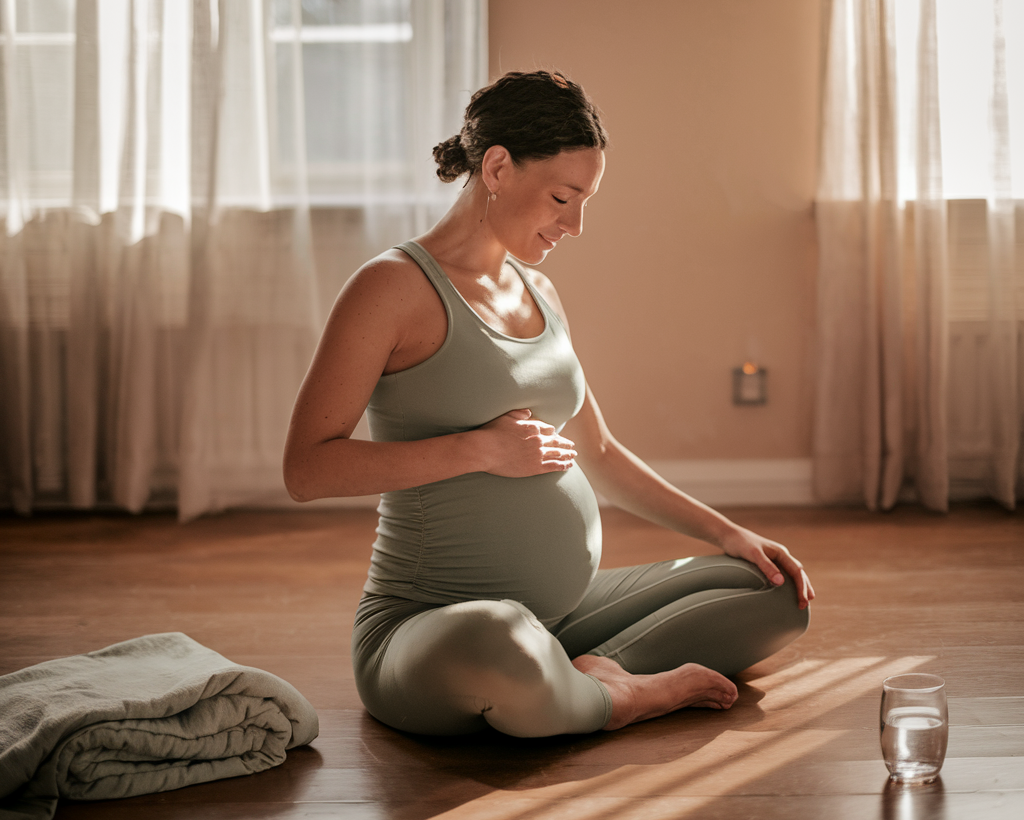
Quick answer: Regular moderate exercise during pregnancy reduces gestational diabetes risk by 30%, lowers the chance of excessive weight gain, improves mood, and produces better birth outcomes — the evidence is clear and consistent across multiple large trials.
The evidence on exercise during pregnancy is clear: regular moderate physical activity reduces gestational diabetes risk by 30%, lowers the risk of excessive weight gain, improves mood, and produces better birth outcomes in multiple large trials.
Exercise during pregnancy is one of the most evidence-backed interventions available to pregnant women — and one of the most underused. The data is clear: regular physical activity during pregnancy reduces gestational diabetes risk by 25–38%, lowers preeclampsia risk, reduces excessive weight gain, improves sleep, decreases back pain, and may shorten labour. It’s not just safe — for most women, it’s genuinely beneficial.
General Safety Rules
For most healthy pregnancies, the goal is 150 minutes of moderate-intensity activity weekly. ‘Moderate intensity’ means you can hold a conversation but not sing — the talk test is your guide. Always discuss exercise with your provider if you have placenta previa, preeclampsia risk factors, incompetent cervix, multiple gestation, or a history of preterm labour. Stop and call your provider if you experience: vaginal bleeding, severe shortness of breath at rest, chest pain, dizziness, calf pain or swelling, or decreased fetal movement during or after exercise.
First Trimester: Gentle Movement
The first trimester is the hardest to exercise through — fatigue can be profound and nausea unpredictable. But even 10–15 minutes of gentle movement on days you can manage is beneficial. Walking is ideal: adjustable intensity, no equipment, no fall risk. Prenatal yoga helps with fatigue, reduces nausea for many women, and begins the body awareness work valuable in labour. Swimming removes gravitational load entirely — perfect when nausea makes exertion difficult. If you were running or doing HIIT pre-pregnancy, you can generally continue in the first trimester — let your body guide the intensity reduction.
Second Trimester: Peak Fitness Window
For most women, the second trimester is the sweet spot — energy returns, nausea resolves, and the bump isn’t yet large enough to significantly restrict movement. This is when an exercise routine is easiest to establish and maintain. Strength training with moderate weights is safe and highly beneficial: maintains muscle mass, improves posture, reduces back pain. Aqua aerobics and swimming excel as the bump grows. Stationary cycling eliminates fall risk. Pelvic floor exercises should become a non-negotiable daily habit: 3 sets of 10-second holds, 3 times daily. Modifications needed after week 20: avoid lying flat on your back for more than a few minutes; replace crunches with standing or side-lying core work.
Third Trimester: Smart Modifications
Exercise remains valuable in the third trimester but requires adaptation. Walking, swimming, and stationary cycling all work well to full term for most women. Prenatal yoga focuses on hip-opening and breathing techniques directly applicable to labour. Your center of gravity has shifted significantly — be cautious on uneven surfaces, stairs, and any balance-dependent exercise. Avoid: contact sports and fall-risk activities, high-altitude activities (above 8,000 feet), scuba diving, extended supine exercise, and anything causing pelvic floor pressure or pain.
Exercises to Avoid Throughout Pregnancy
High-contact sports (basketball, soccer, hockey, martial arts). Hot yoga or any environment raising core temperature above 102.2°F / 39°C in the first trimester. Jumping and jarring movements with high pelvic floor impact. Breath-holding during exertion (Valsalva maneuver) — temporarily reduces placental blood flow. Extreme endurance activities beyond your pre-pregnancy baseline without provider guidance.
Frequently Asked Questions
Can exercise cause a miscarriage?
No — for healthy pregnancies without risk factors, exercise does not cause miscarriage. Multiple large studies confirm this. The myth persists because miscarriage is common (10–20% of known pregnancies) and often occurs during active periods of a woman’s life. If your provider has restricted activity for a specific complication, follow that guidance — but this is about your individual situation, not exercise causing miscarriage in general.
Is running safe during pregnancy?
For women who were running pre-pregnancy, running is generally safe through the second trimester and often into the third. Reduce pace, avoid hills in late pregnancy, run on soft surfaces, wear supportive shoes, and use a belly support band as you grow. If running causes pelvic floor heaviness, pain, or leaking, switch to walking or swimming — these are signs your pelvic floor needs physiotherapy support, not that exercise is harmful.
How soon can I exercise after giving birth?
Walking is safe immediately after birth. For strenuous exercise, the traditional ‘6-week clearance’ is being replaced by evidence-based guidance based on how you feel and pelvic floor recovery rather than calendar dates. A women’s health physiotherapist assessment is the gold standard before returning to running or high-impact exercise. Most women are ready for graduated return to exercise at 8–12 weeks; those with C-sections or significant tearing typically need 12+ weeks.
Disclosure: This post contains affiliate links. We may earn a small commission at no extra cost to you. We only recommend products we genuinely trust.
Related Reading
- 13 weeks pregnant: welcome to the second trimester
- Pelvic floor exercises after birth: complete guide
Found this helpful? Sign up to the LylyMama newsletter for evidence-based guides, honest essays and practical advice delivered to your inbox every week.