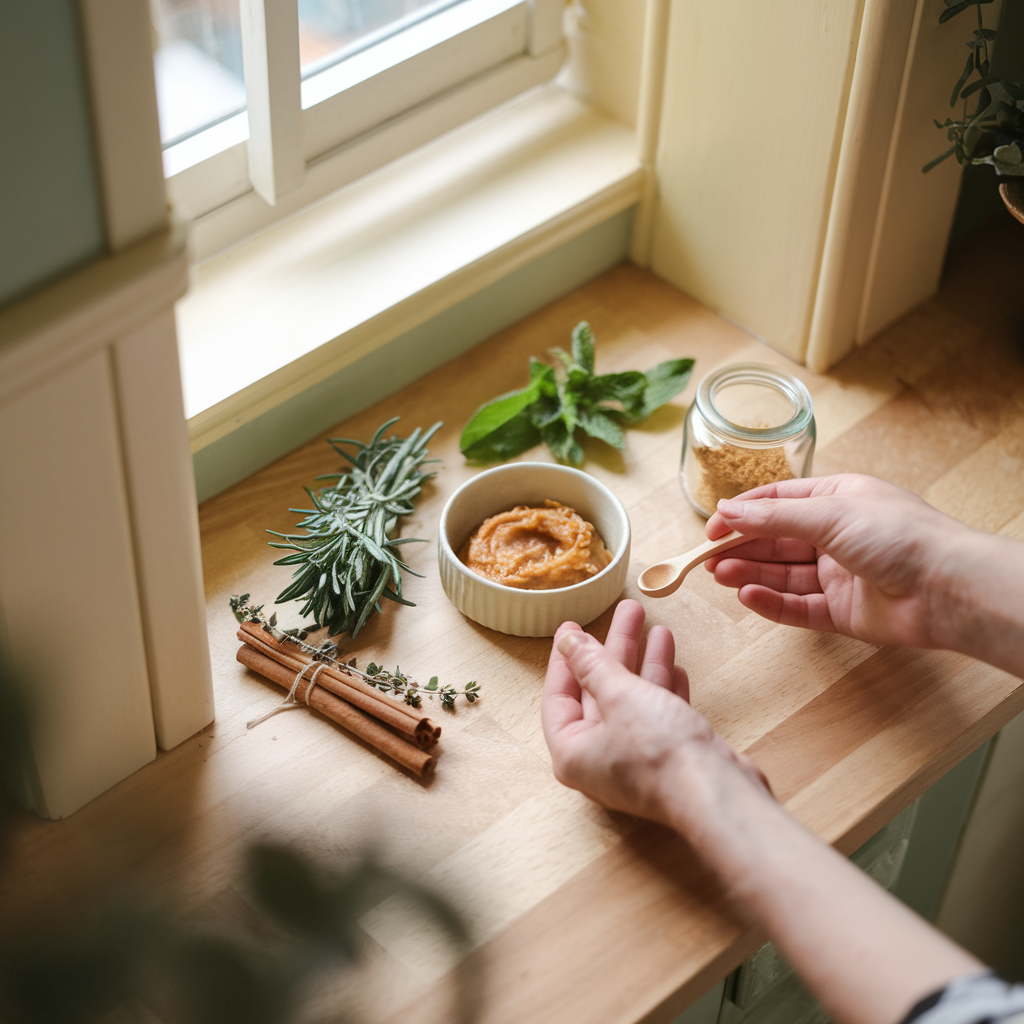
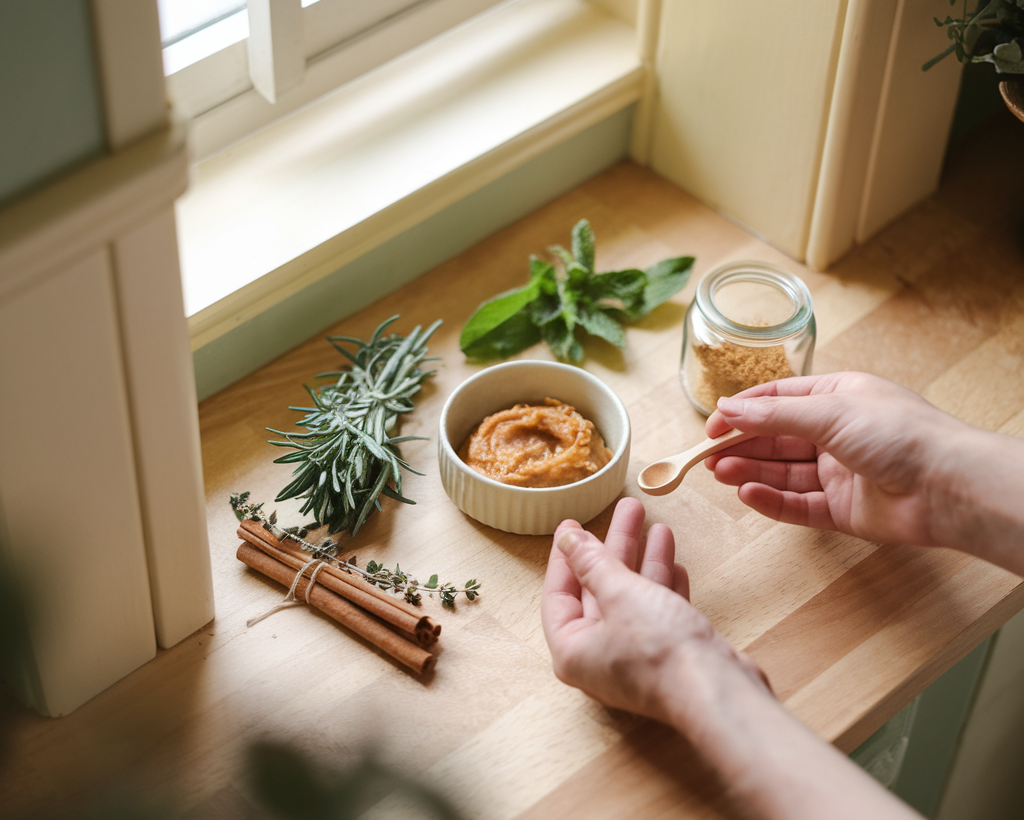
One of the biggest weaning misconceptions is that baby food must be completely bland. Early exposure to diverse flavours — including herbs and spices — builds food acceptance and reduces fussy eating. Here’s a guide to seasoning baby food safely.
Why Season Baby Food?
Babies who are exposed to varied flavours early (including through amniotic fluid and breast milk) show greater food acceptance at weaning. A 2021 study in the journal Nutrients found that early herb and spice exposure was associated with broader food acceptance at 18 months. The food you offer a baby between 6–12 months significantly shapes their flavour preferences going forward. Bland, unseasoned food teaches babies to prefer bland food — not a useful long-term outcome.
Safe Herbs and Spices from 6 Months
- Cinnamon — warming, sweet-smelling, excellent in porridge and sweet potato
- Ginger (ground) — small amounts add warmth to vegetable purées and fruit
- Cumin (ground) — earthy, pairs excellently with lentils and root vegetables
- Coriander (ground) — mild, slightly citrusy, good in vegetable dishes
- Turmeric — anti-inflammatory, mild flavour, turns everything a beautiful golden yellow
- Mild paprika (not smoked, not hot) — adds colour and mild sweetness
- Basil (fresh) — mild, fragrant, excellent with tomato-based dishes
- Thyme (fresh or dried) — earthy, good with chicken and root vegetables
- Oregano (dried) — classic in tomato sauces
- Dill (fresh) — mild, fresh, excellent with fish and egg
- Mint (fresh) — cooling, good with peas and sweet potato
- Garlic — cooked garlic in cooking from 6 months is entirely appropriate
What to Avoid
- Salt — no added salt under 12 months
- Hot chilli, cayenne, or chilli flakes — too spicy
- Soy sauce (high in salt) — avoid until 12 months; use low-sodium alternatives in very small amounts
- Stock cubes (high in salt) — use homemade or very low-sodium alternatives
- Mustard (whole grain) — can cause reactions in some babies
- Nutmeg and mace (in large quantities) — contain myristicin which is toxic in high amounts; a tiny pinch in cooking is fine
Practical Seasoning Approaches
The simplest method: cook without seasoning, then before serving adult portions, remove baby’s portion and add seasoning to the adult bowl. This requires no separate cooking. When using fresh herbs, add them after cooking (heat reduces their flavour). Use dried herbs during cooking. Start with single new herbs/spices — wait a few days before introducing the next to monitor for any reaction (though spice reactions are uncommon).
Frequently Asked Questions
My baby spits out anything with flavour — what should I do?
Persistence is key. It can take 15+ exposures to a new flavour before a baby accepts it. Don’t interpret one or two rejections as a confirmed dislike. Continue offering lightly seasoned food alongside plain food, reduce the amount of seasoning, and keep eating the same foods yourself so baby sees adult acceptance.
Can I use stock cubes in baby food?
Standard stock cubes are too high in salt. Options: homemade stock (no salt), very low sodium stock cubes or powder (check labels — under 0.1g sodium per 100ml prepared), or low-salt or no-salt stock cubes (check labels — many brands make suitable versions). For most baby food, water is adequate and the vegetable flavour is sufficient.
Disclosure: This post contains affiliate links. We may earn a small commission at no extra cost to you. We only recommend products we genuinely use.
A practical guide to introducing spices
The most useful approach: start with single spices added in small quantities (a pinch) to foods the baby already accepts, introduce one new spice per 3–4 days so any reaction can be identified, and favour warming spices with evidence of gut benefit over stimulating or pungent ones. Cinnamon in porridge, turmeric in vegetable purée, cumin in lentils, and mild curry powder in family dhal all work well as early introductions. The goal is building flavour tolerance before the neophobic toddler phase (typically 18 months+) when new foods are systematically rejected — babies exposed to varied flavours early show significantly greater food acceptance later.
Related Reading
- First baby purees: 15 easy recipes for 6 month olds
- Weaning recipe ideas: iron-rich meals for 6-12 month olds
Found this helpful? Sign up to the LylyMama newsletter for more recipes, weaning guides, and honest parenting content every week.