Quick answer: Teething is one of those parenting topics where cultural belief and medical evidence diverge significantly.
Teething is one of those parenting topics where cultural belief and medical evidence diverge significantly. Understanding what teething actually causes — and what it doesn’t — helps you respond appropriately and avoid unnecessary worry.
When Teeth Come In: The Timeline
The average first tooth appears around 6 months, but the normal range is enormous: some babies cut their first tooth at 4 months; others not until 12–14 months. The order is also relatively consistent but variable: Lower central incisors (bottom front) — usually first, 6–10 months. Upper central incisors (top front) — 8–12 months. Upper lateral incisors — 9–13 months. Lower lateral incisors — 10–16 months. First molars — 13–19 months. Canines — 16–23 months. Second molars — 23–33 months. Most children have all 20 primary teeth by age 3. If no teeth by 18 months, mention it at the next well-child check.
Symptoms Teething Actually Causes
Well-designed studies (including the well-known ‘teething diary’ study by Macknin et al.) have found that teething causes: increased drooling, slightly increased gum rubbing, mild irritability in the day or two before tooth eruption, and mild sleep disruption around eruption time. The evidence does not support: high fever (above 38°C / 100.4°F), diarrhoea, significant vomiting, or significant nasal discharge as teething symptoms. These symptoms during teething are coincidental (babies are most teething-active during the period when maternal antibodies wane and they pick up more infections) — not caused by teething.
How to Help with Teething Discomfort
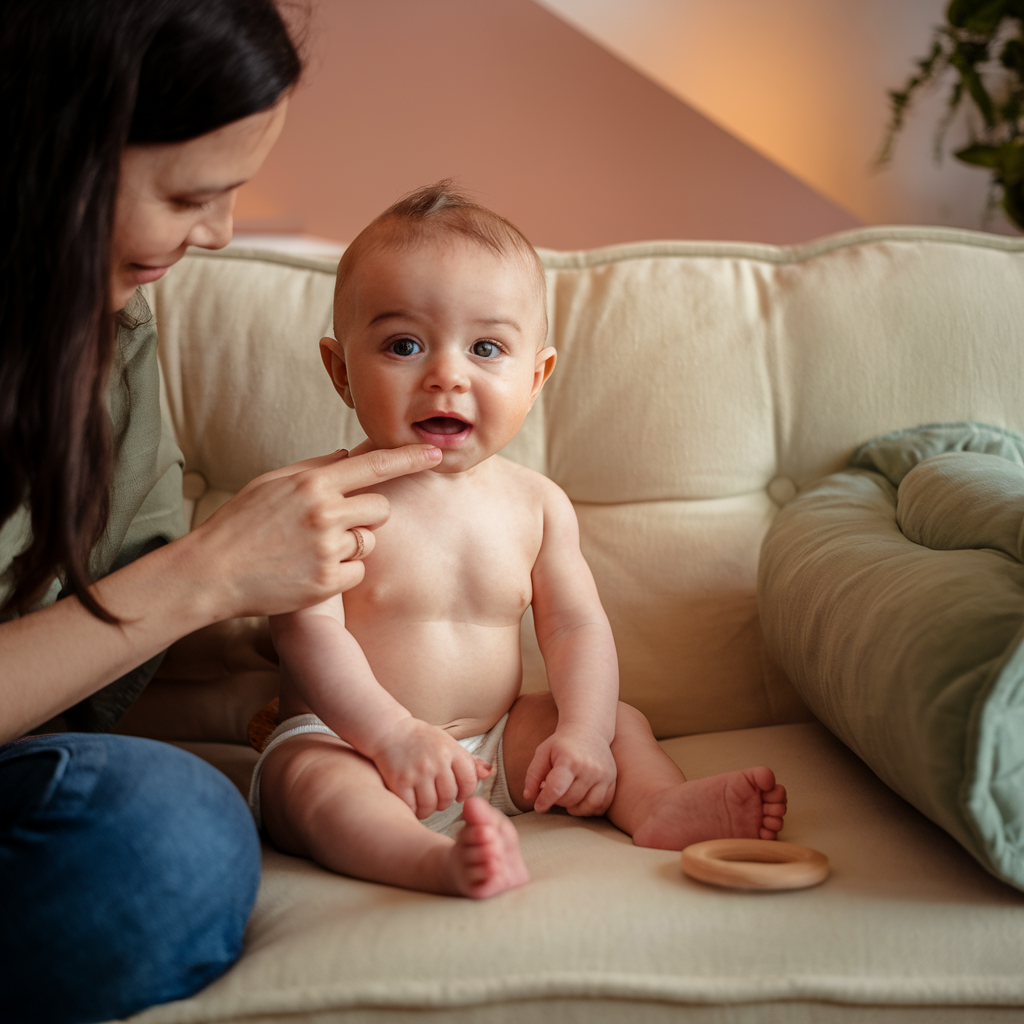
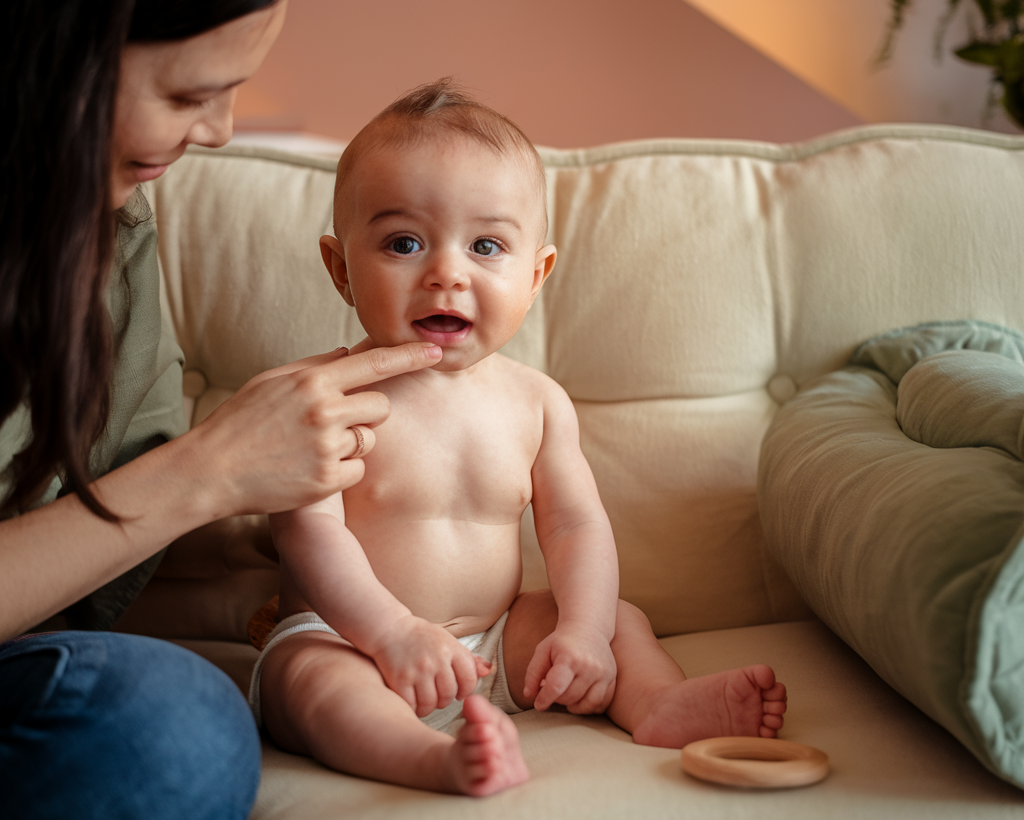
Cold teething rings: Refrigerated (not frozen) teething rings provide counter-pressure and cooling that many babies find relieving. Avoid liquid-filled rings that could puncture. Chilled food: Cold yogurt, cold fruit purée, or chilled cucumber sticks (for babies on solids) provide similar relief. Gum rubbing: Clean finger rubbed firmly along the gum provides counter-pressure. Paracetamol or ibuprofen: If baby is genuinely distressed and the above don’t help, age-appropriate doses of paracetamol (from 2 months) or ibuprofen (from 3 months) are safe for teething pain. Avoid: Teething gels containing lidocaine (risk of overdose, cardiac effects), homeopathic teething tablets (some contain belladonna — FDA warnings issued), and teething necklaces and bracelets (strangulation and choking risk — these are banned in several countries).
Teething and Dental Care
Start cleaning teeth as soon as the first tooth erupts. Use a soft-bristled baby toothbrush and a rice-grain-sized amount of fluoride toothpaste (for babies under 3) twice daily. Fluoride strengthens enamel and prevents decay — it’s safe at these small amounts even if swallowed. Don’t put baby to bed with a bottle of milk or juice — sugar pooling around teeth overnight causes rapid decay (‘bottle rot’). First dentist visit by the first birthday or within 6 months of the first tooth.
Frequently Asked Questions
Can teething cause a temperature?
Teething may cause a very mild temperature elevation (up to 37.9°C / 100.2°F) around the time of tooth eruption. A true fever (38°C / 100.4°F or above) is not caused by teething and should be investigated. Never attribute a fever to teething without ruling out infection — this is a documented cause of delayed diagnosis in infants.
My baby’s teething is making them miserable for weeks — is that normal?
Individual teething experiences vary enormously. Some babies show no obvious symptoms; others are genuinely uncomfortable for several days around each eruption. If distress is severe or prolonged, ensure it’s actually teething causing it (gum bulging visible, tooth edge palpable) and discuss with your health visitor or GP if you’re concerned.
Are amber teething necklaces safe?
No — the FDA and AAP both advise against amber teething necklaces and bracelets. They pose strangulation risk (if the necklace wraps around the neck), choking risk (if a bead detaches), and there is no clinical evidence that succinic acid is absorbed through the skin or provides any pain relief. Multiple infant deaths from teething jewellery have been reported. Don’t use them.
Disclosure: This post contains affiliate links. We may earn a small commission at no extra cost to you. We only recommend products we genuinely trust.
Related Reading
Found this helpful? Sign up to the LylyMama newsletter for evidence-based health and parenting guides delivered to your inbox every week.