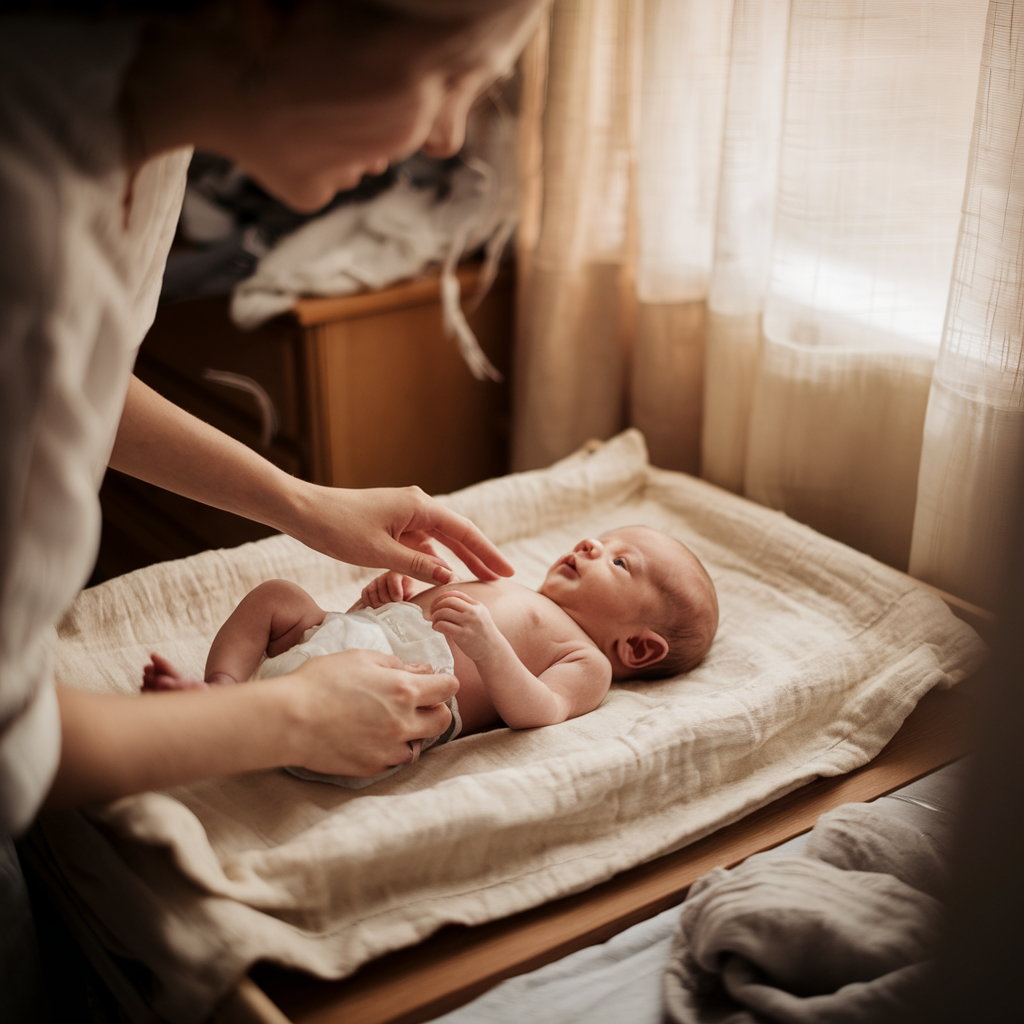
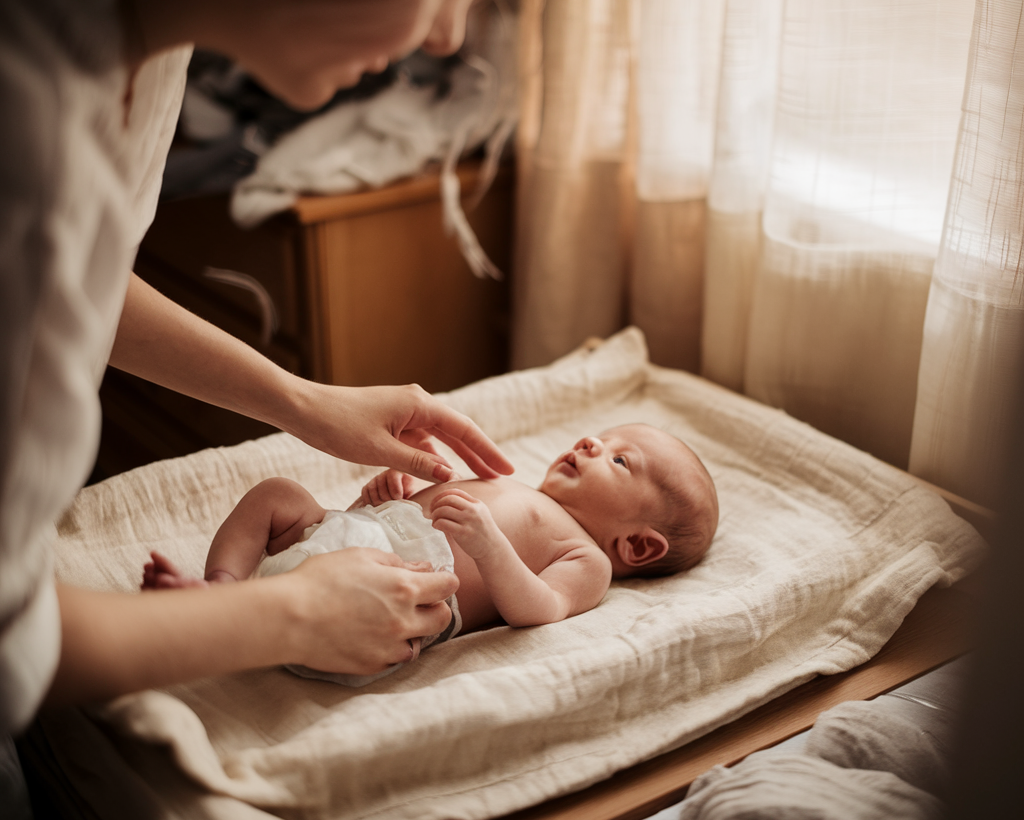
Quick answer: The cord stump — the small, yellowish-green remnant of the umbilical cord after it’s clamped and cut — looks alarming at first but requires minimal care.
The cord stump — the small, yellowish-green remnant of the umbilical cord after it’s clamped and cut — looks alarming at first but requires minimal care. Here’s everything you need to know to keep it clean, recognize normal changes, and spot the signs of infection.
What the Cord Stump Looks Like
Immediately after clamping, the cord stump is yellowish-green and slightly gelatinous. Over the following days and weeks, it dries out, shrivels, and changes color — turning yellow, then brown, then black as it desiccates. This color change is normal. The stump typically falls off between 1–3 weeks, though some stumps take up to 6 weeks. Premature babies often have stumps that take longer to separate. The stump may smell slightly as it dries — a faint, organic odor is normal. A foul or unpleasant smell, however, is a warning sign.
How to Keep the Cord Stump Clean
Current guidance from the AAP and WHO is ‘dry cord care’ — essentially leaving the stump alone and letting it dry naturally. Specific guidance: Keep it dry — fold the nappy waistband down below the stump to allow air circulation and prevent urine contamination. Stick-on nappies with a cord notch are available. Sponge baths only until the stump falls off — don’t submerge baby in a bath. Let it air — loose clothing allows air circulation. Babygros or onesies with no nappy top give good access. Don’t apply anything — alcohol swabs were historically recommended but current evidence favors dry care; alcohol can actually slow separation. Don’t apply petroleum jelly, antiseptic cream, or any other product. Don’t wrap or cover the stump.
What’s Normal During the Drying Process
Normal cord stump changes: color progressing from yellow-green to brown to black, gradual shrinking and shriveling, slight stickiness around the base as it nears separation, a small amount of dried blood or clear discharge at the base (normal), brief, minimal bleeding when the stump finally separates (normal — apply gentle pressure with a clean cloth if needed), and a small, pink, healing navel after separation. The navel may look slightly ‘wet’ for a few days after separation while it fully heals.
Signs of Infection to Watch For
Omphalitis (cord stump infection) is uncommon but requires immediate medical attention. Contact your provider for: redness spreading on the skin around the base of the stump (not just at the base itself — spreading redness on the abdominal skin), warmth and swelling around the stump, foul-smelling discharge (yellow or green pus), baby who seems unwell alongside cord changes (fever, poor feeding, unusual lethargy), or bleeding that doesn’t stop with gentle pressure. Omphalitis can progress rapidly in newborns — don’t wait.
After the Stump Falls Off
When the cord stump separates, it should leave a clean, dry navel. A small amount of bright red bleeding (less than the size of a coin) immediately after separation is normal — apply gentle pressure for a few minutes. Small amounts of clear or slightly bloody discharge for a few days post-separation are also normal. Once fully healed (typically within a week of separation), full baths can begin. If a red, moist, bleeding granuloma (a small lump of pink tissue) persists in the navel after healing, contact your pediatrician — it can be treated easily with silver nitrate application.
Frequently Asked Questions
Should I clean the cord stump with alcohol?
Current guidance from the AAP and WHO recommends dry care — no alcohol cleaning. Studies show dry care results in faster cord separation and equivalent or lower infection rates compared to alcohol cleaning. If your provider specifically recommends alcohol cleaning (this may be advised in higher-infection-risk settings), follow their guidance for your situation.
My baby’s cord stump has a strong smell — is that infection?
A mild organic odor as the stump dries is normal. A strong, unpleasant, or foul smell — particularly if accompanied by redness around the base or any pus — warrants a call to your pediatrician. When in doubt, call. Cord stump infections, while uncommon, can progress rapidly in newborns.
Can I give my baby a bath before the cord stump falls off?
Sponge baths are recommended until the stump separates and the navel is fully healed (typically 1–3 weeks). A thorough sponge bath cleans all areas effectively. Full immersion baths before separation can slow the drying process and theoretically increase infection risk, though brief immersions in clean water are unlikely to cause harm. Most guidelines recommend waiting for the practical and safety reasons above.
Related Reading
- Bringing baby home: the first 24 hours survival guide
- Is it normal for babies to have hiccups so much?
Found this helpful? Sign up to the LylyMama newsletter for more honest, evidence-based parenting guides delivered to your inbox every week.