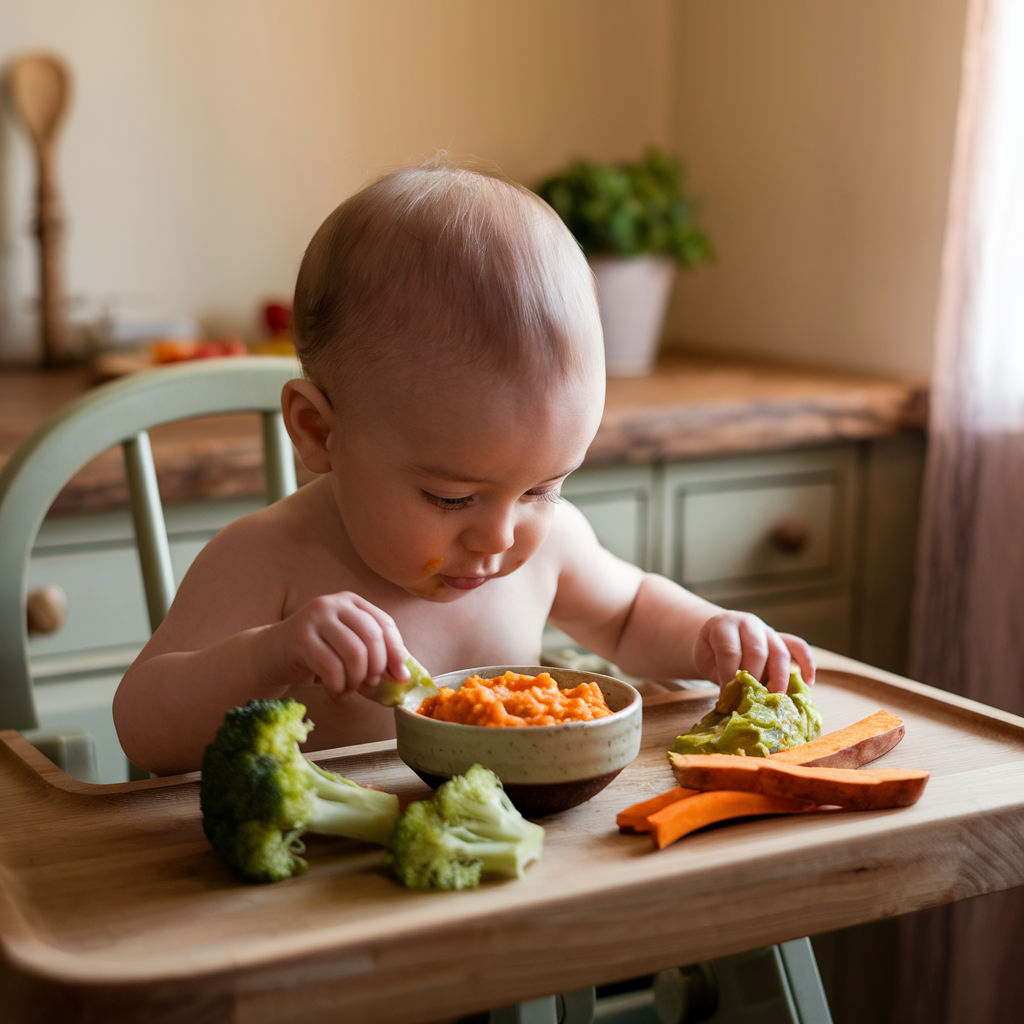
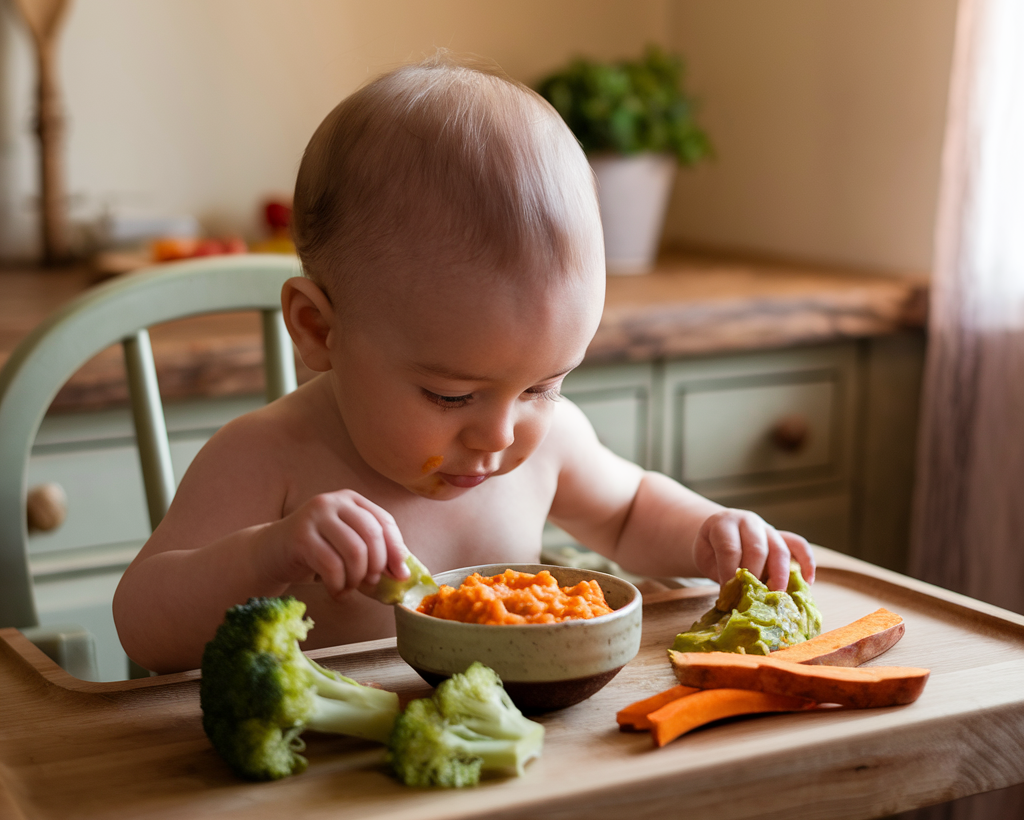
A plant-based weaning approach is entirely nutritionally adequate with careful planning. The key differences from omnivore weaning are: more deliberate iron management, B12 supplementation, DHA attention, and calcium source awareness. Here’s a complete guide.
Is Vegetarian or Vegan Weaning Safe?
Yes — with appropriate planning. The Academy of Nutrition and Dietetics, the British Dietetic Association, and major paediatric nutrition bodies state that well-planned vegetarian (and vegan) diets can meet all nutritional needs at all stages of life, including infancy. The key word is ‘well-planned’ — vegetarian weaning requires more nutritional knowledge than omnivore weaning.
Critical Nutrients for Plant-Based Babies
Iron (most critical): Plant-based iron (non-haem) is less bioavailable than meat iron. Strategies: include iron-rich plant foods at every meal (lentils, chickpeas, beans, fortified cereals, tofu, dark leafy greens), always pair with vitamin C at the same meal, use cast iron cookware (adds small amounts to food). A baby eating a well-planned plant-based diet with iron-rich foods at every meal can meet iron needs. Discuss iron status testing (ferritin) with your pediatrician at the 9–12 month visit — this is particularly important for plant-based babies. B12: Found only in animal products and fortified foods. If not using fortified foods (nutritional yeast, plant milks) consistently, supplement from 6 months. Critical for neurological development. DHA omega-3: Plant foods contain ALA (a precursor) but conversion to DHA is inefficient. Ask your pediatrician about algae-based DHA supplementation from 6 months — this is generally recommended for plant-based infants who are not getting DHA from animal sources. Calcium: Fortified plant milks (used in cooking from 6 months), calcium-set tofu, kale, and fortified foods. Zinc: Found in legumes, seeds, whole grains — somewhat less bioavailable from plant sources. Ensure varied diet with regular legume and seed intake. Iodine: Often missed in plant-based diets — supplement or use iodised salt (but remember, no added salt under 12 months — supplement is the appropriate approach).
Iron-Rich Plant-Based Meals for Babies
- Red lentil dhal with spinach and tomato — triple iron source + vitamin C
- Fortified baby oat porridge with strawberries — 6–8mg iron + vitamin C
- Tofu stir-fry with broccoli and red pepper — iron + vitamin C
- Chickpea and tomato pasta — iron from chickpeas + vitamin C from tomatoes
- Black bean quesadilla (from 9 months) — beans are high in iron
- Kidney bean patties — baked, served with tomato sauce
- Edamame pasta — soy-based pasta provides iron and complete protein
Calcium Without Dairy
- Calcium-set tofu (check label — must say ‘calcium sulphate’ as setting agent): 350mg per 100g
- Fortified plant milk used in cooking from 6 months: 120mg per 100ml
- Kale: 150mg per 100g cooked
- Broccoli: 47mg per 100g — lower than dairy but usable
- Tahini: 426mg per 100g — spread on toast or add to sauces
- White beans (cannellini): 90mg per 100g
Frequently Asked Questions
Do plant-based babies need more supplements than omnivore babies?
Yes — B12, algae DHA, iodine, and monitoring of iron (possibly supplementing) are all important for plant-based babies. This doesn’t make the diet inferior — it makes it a well-managed diet. Work with a registered paediatric dietitian for personalised guidance.
Can I raise a vegan baby in good health?
Yes — with appropriate supplementation and nutritional knowledge. Several countries have successfully raised generations of vegetarian babies (India, for example, has extensive historical precedent). The challenges are manageable with planning. A paediatric dietitian consultation is strongly recommended for families following a strict vegan diet for their baby.
What if my baby rejects lentils and beans?
Texture modification helps — well-cooked red lentils blend into virtually anything without detection. Mix lentil purée into sweet potato, pasta sauce, or porridge. Persistence with varied preparations usually wins. If iron intake is genuinely low, discuss supplementation with your paediatrician.
Disclosure: This post contains affiliate links. We may earn a small commission at no extra cost to you. We only recommend products we genuinely use.
Related Reading
- Weaning recipe ideas: iron-rich meals for 6-12 month olds
- 6 month old baby: starting solids – a complete first-foods guide
Found this helpful? Sign up to the LylyMama newsletter for more recipes, weaning guides, and honest parenting content every week.