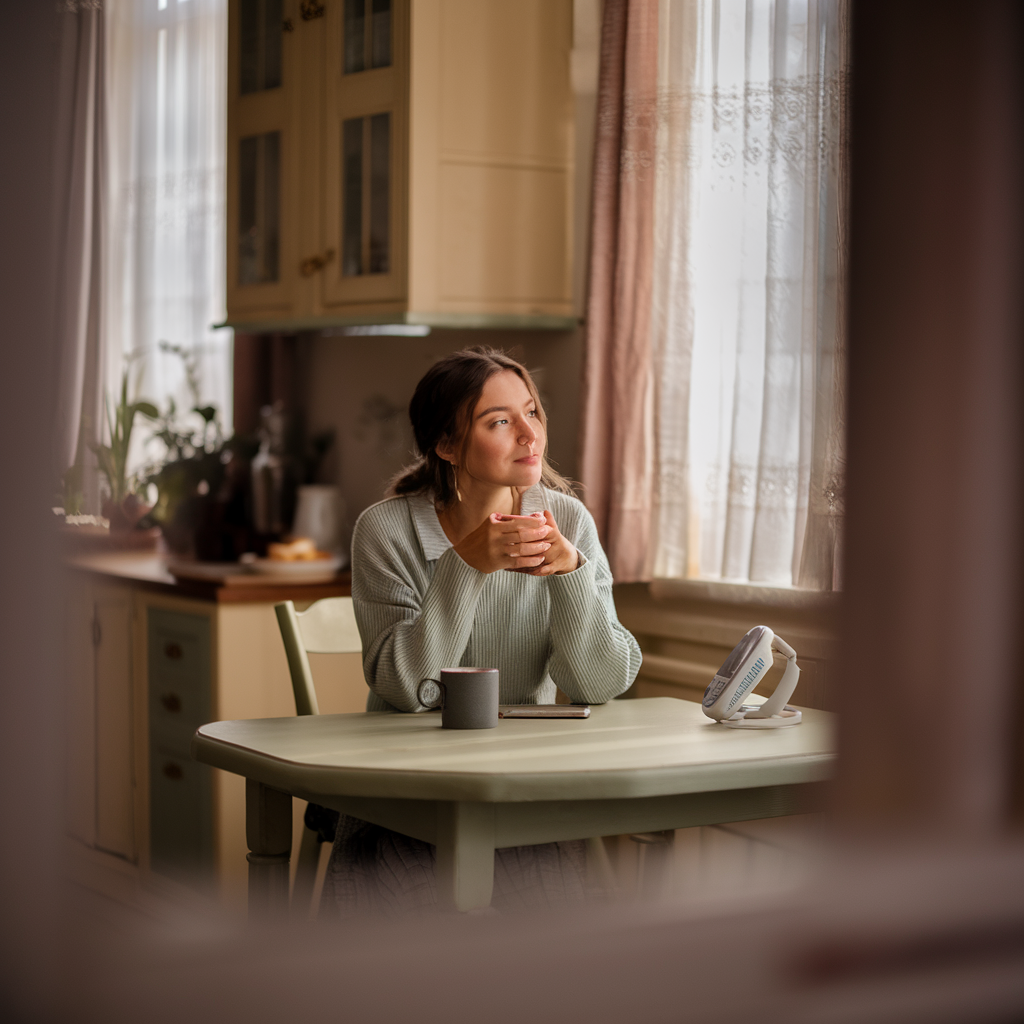

This is the piece with the most complicated title I’ve written. Not because the topic is rare — in anonymous surveys, 7–20% of parents report having experienced regret about becoming a parent at some point, with higher rates in the acute phases of the first year — but because saying it out loud carries a weight that most people aren’t prepared to offer compassion about.
If you are here because you’ve had this thought: you are not alone, you are not monstrous, and the feeling deserves honest engagement rather than performance.
What regret in parenthood actually looks like
The regret most parents experience is not a simple wish to undo the decision. It’s more layered than that. It’s the grief for the life you didn’t take, existing alongside love for the life you did choose. It’s the thought ‘if I had known how hard this would be’ followed immediately by ‘I cannot imagine a version of my life without them.’ It’s ambivalence — the simultaneous holding of contradictory truths — and ambivalence is deeply uncomfortable for humans, who prefer resolution.
For some parents, the regret is more sustained and less ambivalent. A sense that this was genuinely the wrong decision; that the self who made it didn’t have enough information; that the person they are is not suited to this life they’ve entered. This is a more difficult thing to hold and deserves more than a reassuring paragraph.
The conditions that generate this feeling
Parental regret is not randomly distributed. It correlates strongly with: entering parenthood under external pressure (social, familial, or partnered) rather than genuine internal desire; inadequate support networks; significant PND or postnatal anxiety; a very difficult baby (colic, health issues, developmental challenges); an unsupportive or absent co-parent; significant career or financial sacrifice attached to the decision; and historical trauma that the demands of parenting have reactivated.
Understanding the conditions doesn’t make the feeling wrong, but it does locate it — it shows that the regret is often about the circumstances of parenthood rather than the child themselves. The child is not the problem. The conditions are.
The difference between a feeling and a verdict
A feeling is not a permanent fact. The regret of a parent at week six of colic, on four hours of sleep, alone in a house that used to be quiet — this is a feeling generated by specific, temporary, extreme circumstances. It is not a life sentence. Circumstances change. Babies develop. Support accrues. The acute phase, which feels like the entire landscape, is a phase.
The research on parental regret over time shows that the majority of parents who experience acute regret in the first year do not carry it in the same form at five years, when the child is a person they know and a relationship they’ve built rather than an entity that has consumed them.
If the feeling persists
Sustained, severe parental regret that is causing significant distress and affecting your functioning is a clinical concern — not because having it makes you a bad parent, but because you deserve support with it. A therapist experienced in perinatal mental health can work with parental ambivalence and regret without judgment. This is more common in therapy than most people realise.
This feeling doesn’t have to be carried alone. It doesn’t have to be a shameful secret. You are not the only parent who has felt this. And feeling it doesn’t determine what kind of parent you are — that is determined by everything you do next.
If the feeling is accompanied by thoughts of harm
Maternal regret — the feeling that you have made a terrible mistake — is a recognised psychological experience. It is distinct from postnatal depression, though they can coexist. It does not make you a dangerous person. However, if this feeling is accompanied by thoughts of harming yourself, your baby, or leaving permanently, please seek help today. Call your GP or midwife and tell them directly what you are experiencing. The PANDAS Foundation (0808 1961 776) specialises in supporting mothers with exactly this kind of distress. The Samaritans are available 24 hours on 116 123. These services exist because this experience is not as rare as the silence around it suggests — and because it responds to treatment.
Related Reading
- Postnatal depression: honest signs, seeking help and recovery
- Postnatal anxiety: how it differs from PND and how to get help
- I didn’t bond with my baby straight away — and that’s OK
You are not alone. Sign up to the LylyMama newsletter for honest writing about the real experience of motherhood — the hard parts, the complicated parts, and occasionally the beautiful ones.