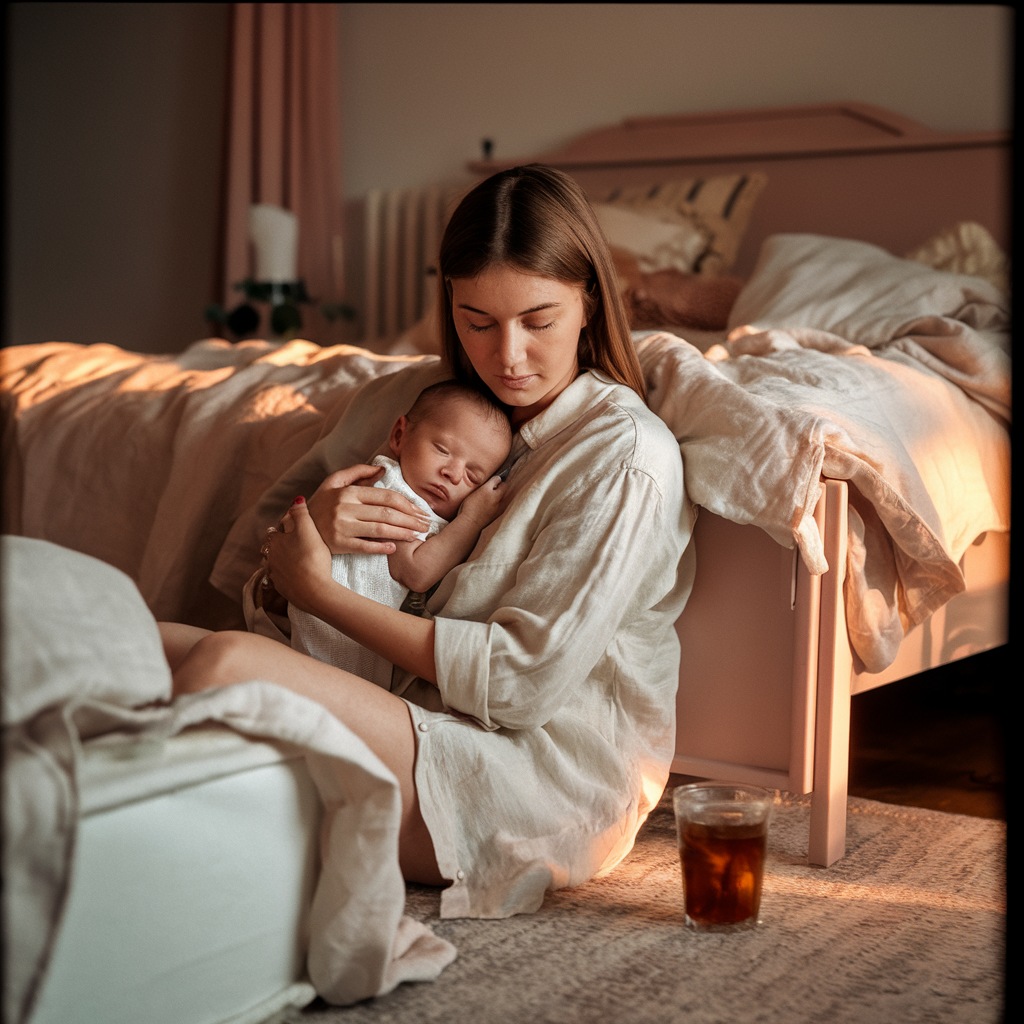
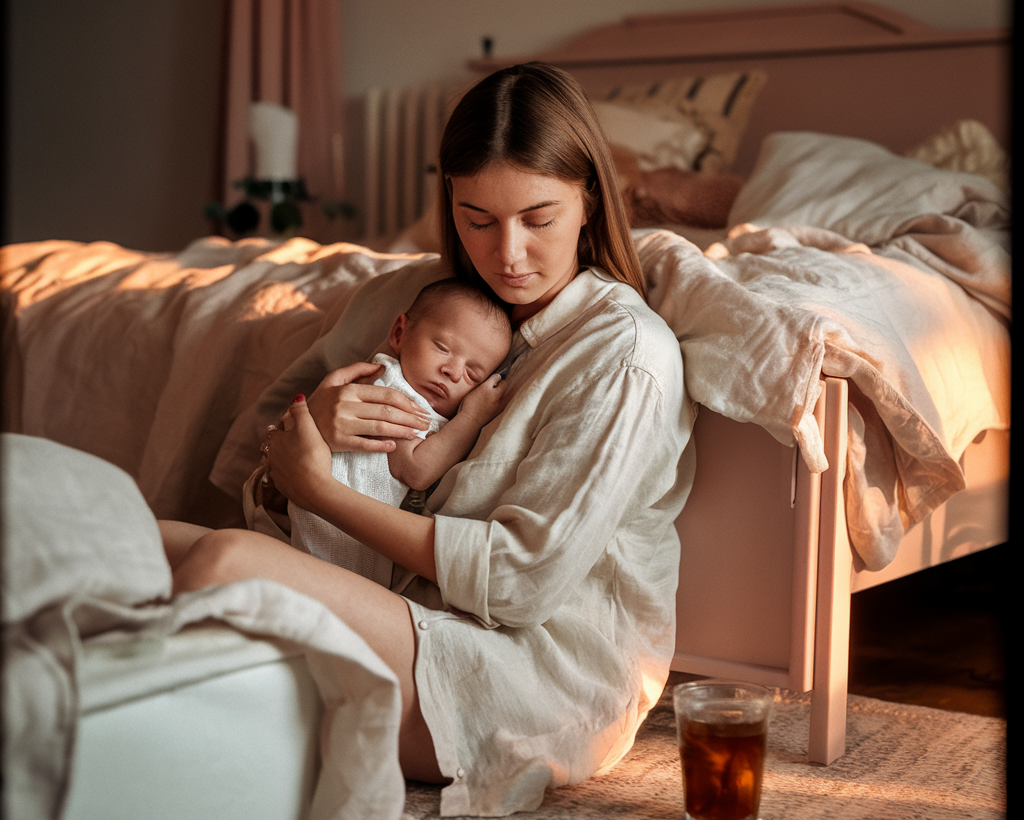
Nobody tells you about the specific loneliness of new motherhood because it’s embarrassing to say, and because saying it out loud sounds like you’re not grateful. You are grateful. You know you are. You also know that you have never been more alone than you are right now, in the room that contains your baby and yourself and nothing else, at hour nine of a day that still has six hours left to go.
Why this loneliness is particular
New parent loneliness is not the same as ordinary loneliness. It has a specific texture that other kinds don’t: the presence of another person who needs you continuously and cannot offer reciprocity. You are never alone in the sense of being without someone who requires your attention. You are entirely alone in the sense of having no adult connection, no conversation, no sense that you exist as a person beyond the role you’re currently performing.
The sociologist Adrienne Rich described this as ‘the division between the mother and the human being’ — the way that motherhood can swallow identity so completely that you lose sight of the person you were. The loneliness is partly the loss of that self, as much as the absence of others.
The gap between what you were told and what this is
Maternity leave was supposed to be a break. A gift. Time with your baby, learning them, falling into the rhythm of new parenthood. What it is, for many women, is the most isolated period of their adult lives. You leave a workplace full of colleagues — a daily structure, a social context, a professional identity — and arrive into days that have no shape, with a person who cannot speak to you, in a house that begins to feel like the only place that exists.
The invisibility is part of it. You are doing an enormous amount of work that no one sees. The labour of keeping a small human alive is not acknowledged in the ways that other labour is. It doesn’t have meetings or outcomes or feedback. It happens in private and then it happens again.
What helped (from women who’ve been in it)
The things that helped are small and consistent. A daily walk at the same time — outside, even briefly, even in the rain. One commitment per week that involves another adult human face-to-face, even if it’s brief. A baby group, not because the baby needs it but because you need to be in a room with other people who understand what this is. Texting a friend and saying ‘I’m finding this quite lonely’ — the admission itself, more than any response, changes the shape of the feeling.
The things that didn’t help: scrolling social media at 11am alone in the house, comparing your interior experience to other people’s exterior performance. The phone simultaneously provides connection and deepens isolation in ways that take time to understand.
This won’t be forever
The particular loneliness of the newborn period is tied to the particular demands of that period — the formlessness of the days, the inability to leave easily, the absence of reciprocity from the baby. As babies develop, as you find your footing, as you rebuild a social landscape around the new shape of your life, it changes. It’s not the permanent new reality. It’s a phase with an end.
But while you’re in it: you are allowed to say it’s hard. You are allowed to say you’re lonely. You don’t have to perform gratitude at the expense of honesty. Both things are true.
Related Reading
- Postnatal anxiety: how it differs from PND and how to get help
- The night feeds nobody talks about: 3am and falling apart
You are not alone. Sign up to the LylyMama newsletter for honest writing about the real experience of motherhood — the hard parts, the complicated parts, and occasionally the beautiful ones.