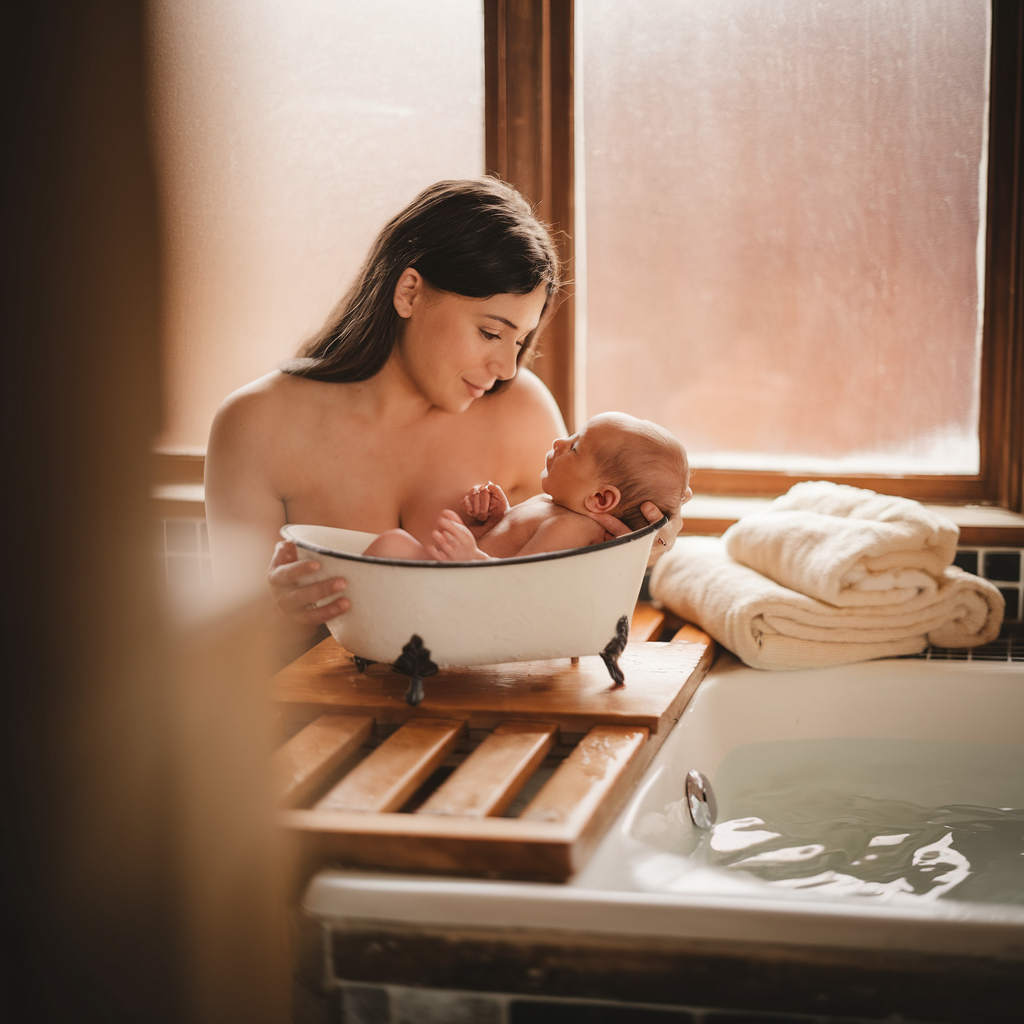
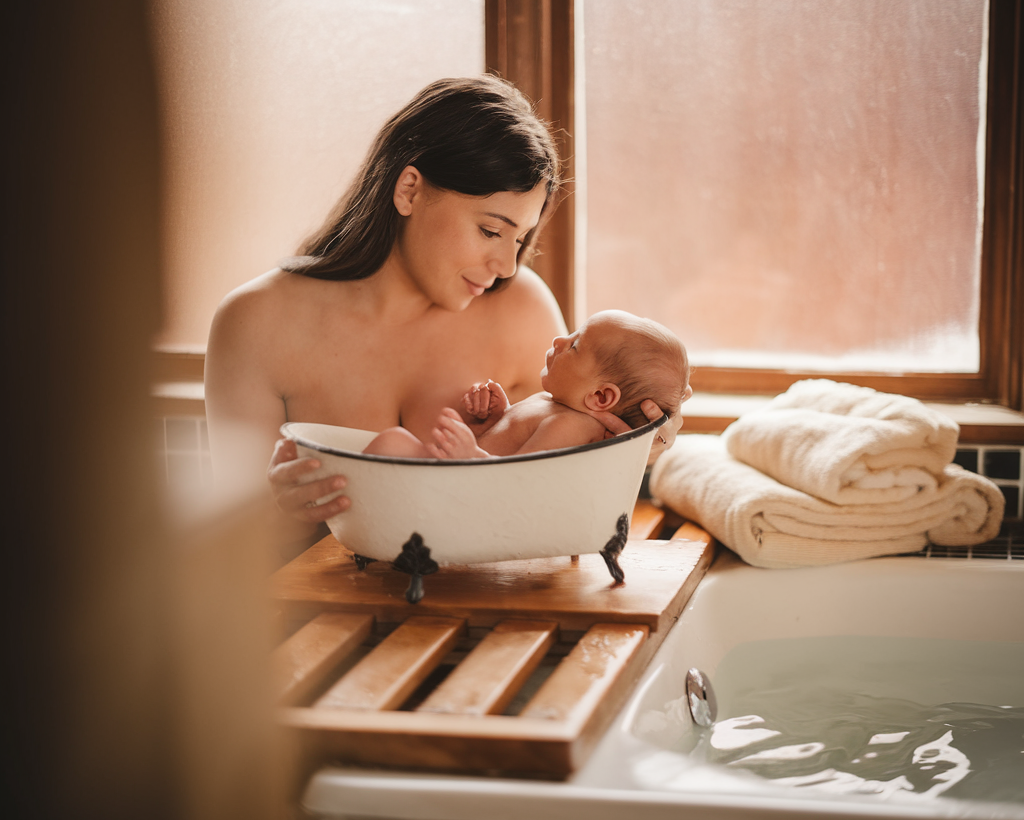
Quick answer: Bathing a slippery, wriggly newborn for the first time is genuinely terrifying — and entirely manageable.
Bathing a slippery, wriggly newborn for the first time is genuinely terrifying — and entirely manageable. Here’s a step-by-step guide that walks you through exactly what to do, in what order, with what equipment.
When to Start: Timing the First Bath
The WHO recommends delaying the first bath for at least 24 hours after birth (ideally 48–72 hours) to protect the vernix caseosa — the waxy white coating on newborn skin that provides temperature regulation, antimicrobial protection, and skin moisturisation. Hospital policies vary; discuss with your midwife if bathing is planned before 24 hours. After the first bath, daily bathing is not necessary (and can dry out newborn skin) — 2–3 times per week is appropriate until the cord stump has fallen off, after which regular baths are fine.
Equipment You Need
- Baby bath tub or a clean washing-up bowl — positioned on a stable, waist-height surface
- Two soft towels (one for drying, one for warmth)
- Fresh nappy and clothing laid out and ready
- Baby bath thermometer — water temperature 37–38°C / 98–100°F (elbow-test is less reliable than a thermometer)
- Mild, fragrance-free baby wash or plain water
- Cotton wool balls for the face
Step-by-Step Bath Guide
1. Prepare everything first — lay out the towel, fresh nappy, and clothing before undressing baby. You should never leave baby unattended in or near water, not even for a second. 2. Check the water temperature — fill to approximately 5cm depth. Test with a bath thermometer. The water should feel comfortably warm, not hot, on your inner wrist. 3. Undress baby — remove all clothing but leave the nappy on for now. Wrap in a towel. 4. Clean the face first — with cotton wool dipped in plain water (not soapy water), gently clean around the eyes (separate cotton wool for each eye, wiping from inner to outer corner), nose, and mouth. 5. Remove the nappy — clean the nappy area with a fresh cotton wool piece. 6. Lower into the bath — support the head and neck with one hand under the shoulders, lower baby feet-first. Never let go. Keep talking to baby throughout. 7. Wash — with your free hand, pour water over baby, using a small amount of baby wash if desired (plain water is sufficient). Clean the creases (neck, armpits, behind the ears, groin). 8. Lift out and wrap immediately — babies lose heat rapidly. Wrap in a hooded towel and dry thoroughly, including all skin folds.
Temperature and Safety
Water temperature is the primary safety factor — scalding burns in the bath are a significant paediatric injury. Always run cold water first, then hot, to avoid hotspots at the tap. Use a thermometer. Never leave baby unattended — drowning can occur in inches of water in seconds. Use a non-slip bath mat once baby is sitting in a full bath. Never hold a baby in bath while a sibling or other child is present and unattended elsewhere in the home.
Frequently Asked Questions
My baby screams during every bath — is something wrong?
Many newborns dislike bathing initially — the undressing, temperature change, and water exposure are novel and alarming. This typically improves within 4–6 weeks as baby becomes familiar with the routine. Strategies: make the room warmer before starting, talk or sing throughout, try bathing immediately after feeding when baby is calm, use a ‘hammock’ bath net that keeps baby partly out of the water initially, or try bathing with a parent (safe if the adult gets in and out independently and never rests baby on the edge of the bath).
Should I use soap or just water?
Plain water is sufficient for most of the body. A small amount of mild, fragrance-free baby wash can be used for skin folds and the nappy area. Avoid bubble bath, adult soaps, and fragranced products — they disrupt the skin barrier and increase eczema risk. Baby oil can be added to the bath water to moisturise, though skin absorption is minimal.
How do I clean my baby’s hair?
Wet the head with a small amount of water, apply a tiny drop of gentle baby shampoo if needed, and rinse by tilting the head backward slightly (supporting the head) and pouring water away from the face. Alternatively, just use plain water for the first months — baby hair doesn’t need shampoo. Cradle cap is not improved by more vigorous shampooing (see cradle cap guide).
Disclosure: This post contains affiliate links. We may earn a small commission at no extra cost to you. We only recommend products we genuinely trust.
Related Reading
- Cord stump care: how to keep it clean and when it falls off
- Nursery essentials checklist: what you actually need vs nice-to-haves
Found this helpful? Sign up to the LylyMama newsletter for evidence-based health and parenting guides delivered to your inbox every week.